The Great Run-Out Controversy: Spirit vs Strategy in Bangladesh-Pakistan ODI
The drama that unfolded in the 39th over of the Bangladesh‑Pakistan ODI in Mirpur has become the week’s headline, not because of runs but because of a run‑out that sparked a heated debate on the Spirit of Cricket. The incident carved a permanent place in the match report, showing how a split‑second decision can swing emotions, tactics and series momentum.
The Stats Behind the Strategy
| Player | Runs (ODI) | SR | Average at Mirpur |
|---|---|---|---|
| Salman Ali Agha | 64 (62) | 103.2 | 45.0 |
| Mohammad Rizwan | 56 (45) | 124.4 | 52.3 |
| Mehidy Hasan Miraz | 12 (15) | 80.0 | 38.7 |
| Bangladesh bowlers (combined) | – | – | Economy 4.6 in 32 overs |
The table highlights why the partnership of Agha and Rizwan mattered. Both had strike rates above 100 and averages that climb when they play on the slower, low‑bounce wicket at Sher‑e‑Bangla. Miraz’s figures are modest, yet his all‑round impact on the field—especially his quick thinking with the ball—proved decisive.
Match Context and Tactical Landscape
When Pakistan entered the 39th over, they were 231/3 with 69 runs needed from 22 balls. The partnership that had rescued the innings after an early wobble was built on controlled aggression; Agha’s 64 came off 62 deliveries, allowing him to rotate the strike and keep the run rate manageable. Rizwan, the experienced middle‑order anchor, was playing his natural game, nudging the ball into gaps and finding the occasional boundary.
Bangladesh’s field placement at that stage reflected a classic death‑over strategy: a deep square leg, a short fine‑leg, and a tight slip cordon to catch any mistimed pull. The captain, Miraz, chose to bowl a slower off‑spinner, hoping to tempt a mistimed lofted shot. Rizwan’s gentle nudge toward mid‑on was a calculated soft‑handed push, designed to keep the ball in the in‑field and avoid a risky aerial play.
Player Mindset and the Unusual Run‑Out
As the ball rolled toward the non‑striker’s end, Agha found himself slightly outside his crease—a common habit for batsmen who back up aggressively. He bent down, as if to retrieve the ball and hand it back, a gesture that often signals sportsmanship. In that split second Miraz, still in his delivery follow‑through, swung his boot to stop the ball and, without hesitation, snapped his hand around the stumps.
From Agha’s perspective, the instinct to return the ball was rooted in a desire to avoid a penalty for a dead‑ball appeal. Yet the laws state that the ball remains live until the umpire calls it dead, and a striker out of his ground can be run‑out. Miraz’s quick grasp of the rule, combined with his confidence as a captain, turned the moment into a legal dismissal.
Miraz’s mindset was clear: a chance to break a partnership that had shifted the game’s momentum. By creating a scenario where the non‑striker could be caught off‑guard, he used his authority to apply pressure beyond the bowler’s arm. The gamble paid off on the field, though it raised eyebrows off it.
Immediate Aftermath and Series Implications
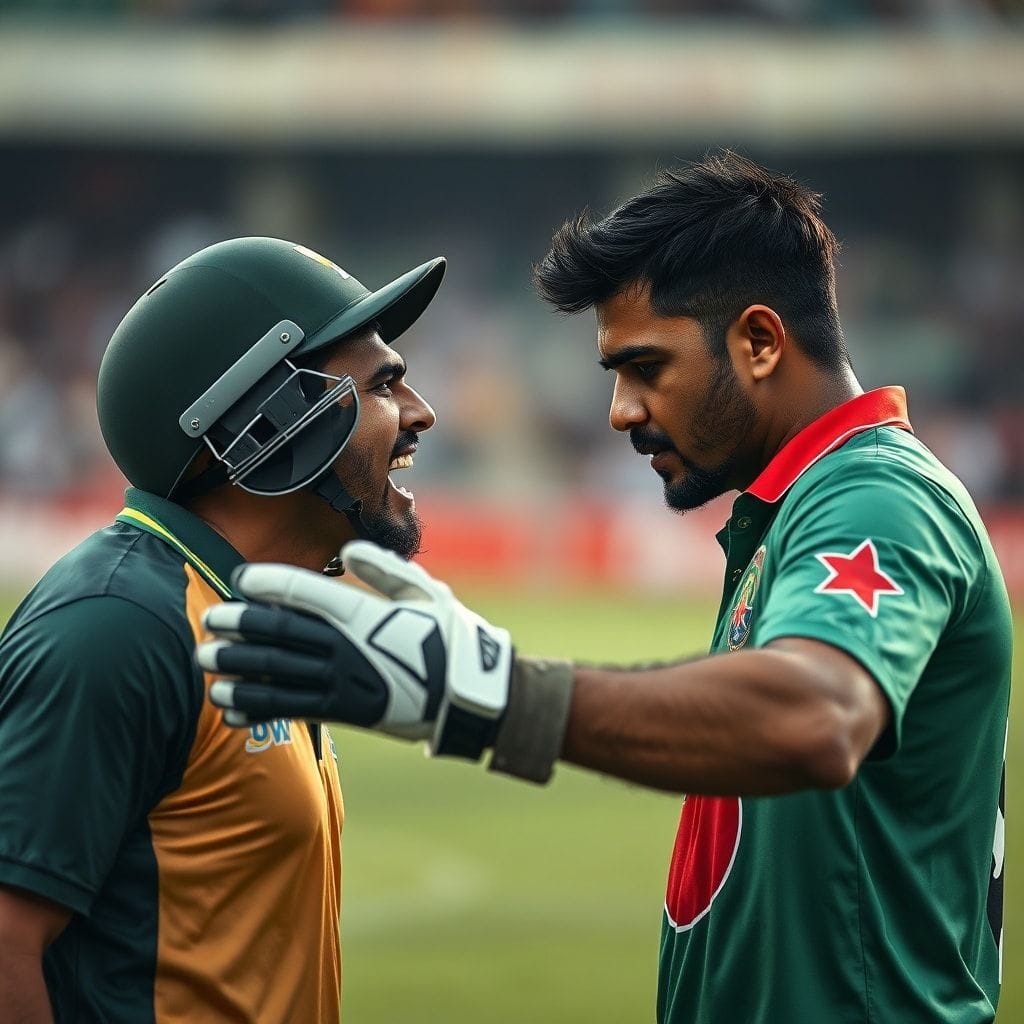
The dismissal sparked a visible eruption from Agha. His helmet and gloves flew to the turf, a rare display of emotion from a player known for composure. The exchange between him, Miraz and Bangladesh wicket‑keeper Litton Das was brief but intense, with Rizwan stepping in to separate the two sides. The intensity of that moment lingered as a reminder that emotions run high when a series is balanced at 1‑1.
Pakistan’s innings faltered after the run‑out; Rizwan fell two balls later, and the lower order added just 43 runs. Bangladesh, chasing a revised DLS target of 243 in 32 overs due to rain, collapsed for 114, handing Pakistan a 128‑run victory. The series is now reset, with both teams eyeing the decisive third ODI.
Strategic Takeaways for the Decider
- Pakistan must manage backup runs more conservatively, ensuring that every batsman respects the crease during fast‑moving deliveries.
- Bangladesh can use Miraz’s aggressive captaincy as a blueprint: keep an eye on non‑striker positions, especially in the death overs, and be ready to exploit any lapse.
- Both sides need to rehearse the etiquette of ball‑handling after a delivery; clear communication can prevent future flare‑ups.
The third match will likely see Pakistan leaning on their top order to set a defendable total, while Bangladesh will aim to tighten their fielding circles and perhaps bring a specialist death‑bowler into the attack. The mental edge gained from the run‑out drama may favor the team that can stay cool under pressure.
Fan Perspective and the Spirit Debate
Supporters across the sub‑continent have taken to social media with polarized opinions. Some argue that Miraz acted within the law, turning a routine play into a strategic masterpiece. Others feel the gesture of picking up the ball, even if unintentional, created an unfair advantage. The ICC’s legal framework supports the decision, yet the spirit of the game remains a grey area, prompting calls for a clearer guideline on return‑of‑the‑ball scenarios.
For the average fan, the image of a helmet slamming onto the grass is a vivid reminder that cricket, like any sport, is as much about temperament as it is about technique. The incident will be dissected in commentary boxes for weeks, influencing how players approach the final overs of close contests.
As the series heads toward its climax, the lingering question is not just who will win the third ODI, but whether the teams will let the heat of the moment dictate future conduct, or whether a shared respect for the game’s unwritten codes will emerge from the ash of the heated exchange.
Cricket Desk: Want more on Bangladesh vs Pakistan? Check out our Bangladesh vs Pakistan Latest News & Stats.