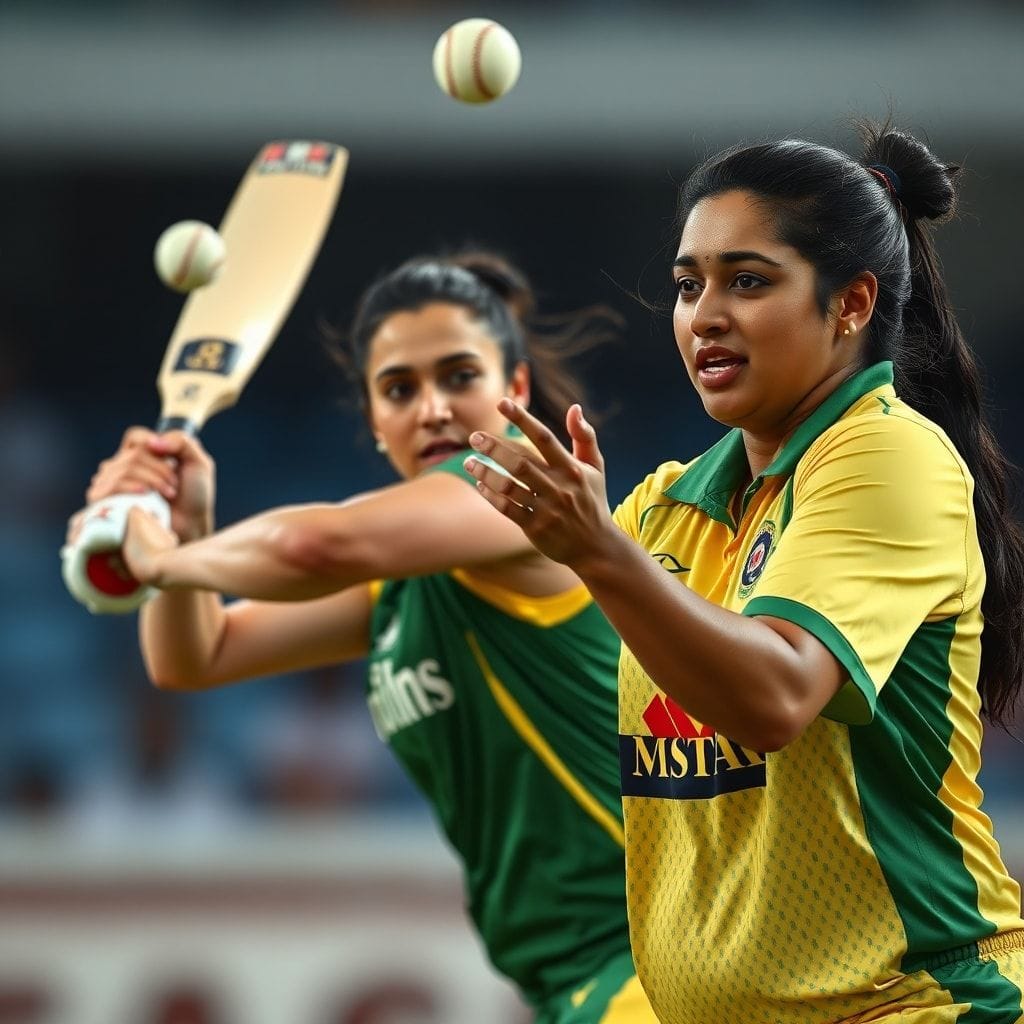
Australia Edges India in Series Opener at the Gabba
The opening Women’s One Day International between Australia and India at the Gabba delivered a masterclass in swing bowling, as Megan Schutt’s early breakthrough set the tone for a commanding home performance. With India’s batting lineup struggling to adapt to the conditions, the match offered key insights into tactical adjustments and player resilience under pressure.
Match Context and Tactical Overview
Opting to bat under the lights, India hoped the evening breeze would assist their spinners later in the innings. Instead, they were met with immediate hostility from Australia’s new-ball attack. Megan Schutt struck in the very first over, dismissing Pratika Rawal for a duck with a sharp inswinger — a moment that shifted momentum and mindset.
India’s pre-match strategy centered around building a stable platform through Smriti Mandhana, followed by aggressive acceleration from Harmanpreet Kaur and Richa Ghosh. a brittle top order faltered against disciplined Australian seam bowling, forcing the middle order to absorb early pressure without proper setup.
The Stats Behind the Strategy
| Player | Overs Bowled | Runs Conceded | Wickets | Econ |
|---|---|---|---|---|
| Megan Schutt | 5 | 22 | 1 | 4.40 |
| Darcie Brown | 5 | 24 | 1 | 4.80 |
| Ashleigh Gardner | 5 | 7 | 1 | 1.40 |
| Smriti Mandhana | — | 58 | — | — |
Schutt’s economical return of 4.40 on a typically high-scoring pitch underscored Australia’s control. Gardner’s exceptional economy of 1.40 suggested the pitch still favored seam movement. India’s total of 115/5 after 26 overs was costly, especially with the required rate climbing steadily.
Player Roles, Mindset, and Venue Linkage
Pratika Rawal, returning from a stint in the subcontinent, faced a challenging reintroduction to Australian conditions. Her dismissal highlighted the Gabba’s subtle moisture and the precision of Australia’s seam attack. Rawal’s uncertain footwork betrayed a lack of familiarity with the pitch behavior.
Megan Schutt, familiar with the Gabba’s red-soil characteristics, utilized a compact approach and sharp seam alignment to extract consistent late movement. Her dismissal of Rawal was both tactical and technical brilliance.
Smriti Mandhana adapted well, scoring a composed 58 through disciplined shot selection. Playing late and trusting the bounce, she neutralized much of the early aggression with elegant strokeplay.
Captain Harmanpreet Kaur adopted a cautious approach, aiming to stabilize and accelerate gradually. Her unbeaten 24 showed intent but lacked the firepower needed on a pitch that demanded quicker scoring.
Series Impact and What Lies Ahead
Australia chased down 221 with ease, finishing at 222/3. The early breakthrough not only shaped the result but also exposed vulnerabilities in India’s top-order structure. Should Richa Ghosh fail to convert in the upcoming matches, India’s middle order may struggle to recover.
The second ODI moves to the WACA in Perth — a venue known for bounce and seam assistance. India may consider promoting opener Shafali Verma to counter the renewed threat from Australia’s pacers. Spin options like Sneh Rana could gain traction on that surface, offering India a different tactical angle.
Fans’ Take and Grounded Opinions
Australian fans lauded Schutt’s precision online, describing her opening spell as unplayable. Indian supporters expressed frustration over Rawal’s early exit, though many praised Mandhana’s effort, acknowledging that individual brilliance can’t always offset collective missteps.
From a neutral standpoint, the match emphasized the necessity of acclimatization. Teams investing time at the venue beforehand appeared better equipped to handle early challenges. With the series now 1-0 to Australia, India faces a critical juncture — adapt quickly or risk falling further behind.
Cricket Desk: Want more on Asian women's cricket? Check out our Asian women's cricket Latest News & Stats.