Mayank Agarwal’s Gritty Century Rescues Karnataka in Ranji Final
Mayank Agarwal’s fighting hundred in the Ranji Trophy final turned a potential collapse into a fighting chance for Karnataka. The innings mattered because it kept the team in the game against Jammu & Kashmir’s massive 584‑run first‑innings total.
Match context and tactical chessboard
The final at KSCA Rajnagar Stadium in Hubballi was a classic showdown of a high‑scoring side versus a resilient chase. J&K, led by the mercurial Auqib Nabi, posted 584/9 on Day 1, exploiting the early morning moisture that made the pitch swing‑friendly. Karnataka’s captain, Karun Nair, faced a dilemma: enforce the follow‑on and rely on their bowlers to dismantle a batting line‑up that had already batted for more than eight hours, or bat long enough to erase the deficit and set a target that would put pressure on J&K in the fourth innings.
Choosing the latter, Nair sent the openers KL Rahul and Devdutt Padikkal to the crease. Both were expected to anchor the innings, but an opening spell from Nabi—sharp, seaming deliveries that nodded off the deck—removed them for single‑digit scores. At 57/4, the team’s morale hovered near the brink.
That’s where Agarwal walked in. The veteran, sitting at No 5, knew the tactical imperative: occupy the crease, wear down the swing, and rotate the strike. He paired with Shreyas Gopal, whose off‑spin provided a contrasting pace and allowed Agarwal to target the ball’s seam line.
Player roles and mindset
Agarwal entered the innings with a clear mental equation—survive the swing, then accelerate. He set himself a modest first target of reaching a fifty before the evening, using a high‑outside‑off stance to leave the ball outside off. By the time he reached 25, his footwork showed confidence; he was stepping forward to smother the movement rather than playing away.
Gopal, aware that his spin would be less effective on a slightly damp surface, adopted a defensive role. He kept the strike rotating, pushing the ball into the covers, and acted as a buffer when the pace attack surged. Their 87‑run partnership stitched the middle order together, giving Karnataka a platform to reach 176/5 by stumps.
When Gopal fell, Agarwal’s responsibility grew. He shifted gears, pulling a few short deliveries and lofting over point, but never abandoned the core plan of seeing off the new ball. His mindset reflected years of international experience—patience mixed with calculated aggression.
The Stats Behind the Strategy
| Metric | Karnataka | J&K |
|---|---|---|
| First‑innings total | 176/5 (Day 3) | 584/9 |
| Agarwal runs | 108 (21st FC hundred) | – |
| Partnership (5‑wicket) | 87 (Agarwal‑Gopal) | – |
| Wickets lost first 100 balls | 4 | 2 |
| Average runs per 100 balls in partnership | 55 | 46 (J&K’s top 5) |
The numbers show why Agarwal’s knock mattered. With a strike rate just under 60, he kept the run‑rate steady while the opposition’s bowlers were cruising. The 87‑run stand accounted for nearly half of Karnataka’s score, underscoring the partnership’s weight.
Venue‑specific nuances
Hubballi’s KSCA Rajnagar ground is famed for its green‑top conditions that help seamers early on, especially under a thin cloud cover. The outfield is quick, rewarding well‑timed cuts and drives. Agarwal, used to playing in Bangalore’s slower pitches, adjusted his technique—playing with a slightly open face and a higher backlift to meet the ball on the half‑volleys. Gopal, aware that the pitch would deteriorate later, kept his spin tight, using the gentle turn that emerged after extra moisture evaporated.
Impact on the Ranji campaign
Karnataka’s fight back altered the series narrative. Before the final, they had slipped to the lower half of the points table, raising doubts about their title credentials. By rescuing the innings, they stayed in the match, forcing J&K to chase a target in the fourth innings—a scenario that historically benefits the side with a stronger batting depth.
If Karnataka can dismiss J&K for a sub‑300 total in the fourth innings, they will have a realistic chance to win the trophy despite the massive first‑innings deficit. The psychological edge also shifts; the J&K bowlers, who had been dominant, now face a batting line‑up that has shown resilience under pressure.
Fans on the ground and online
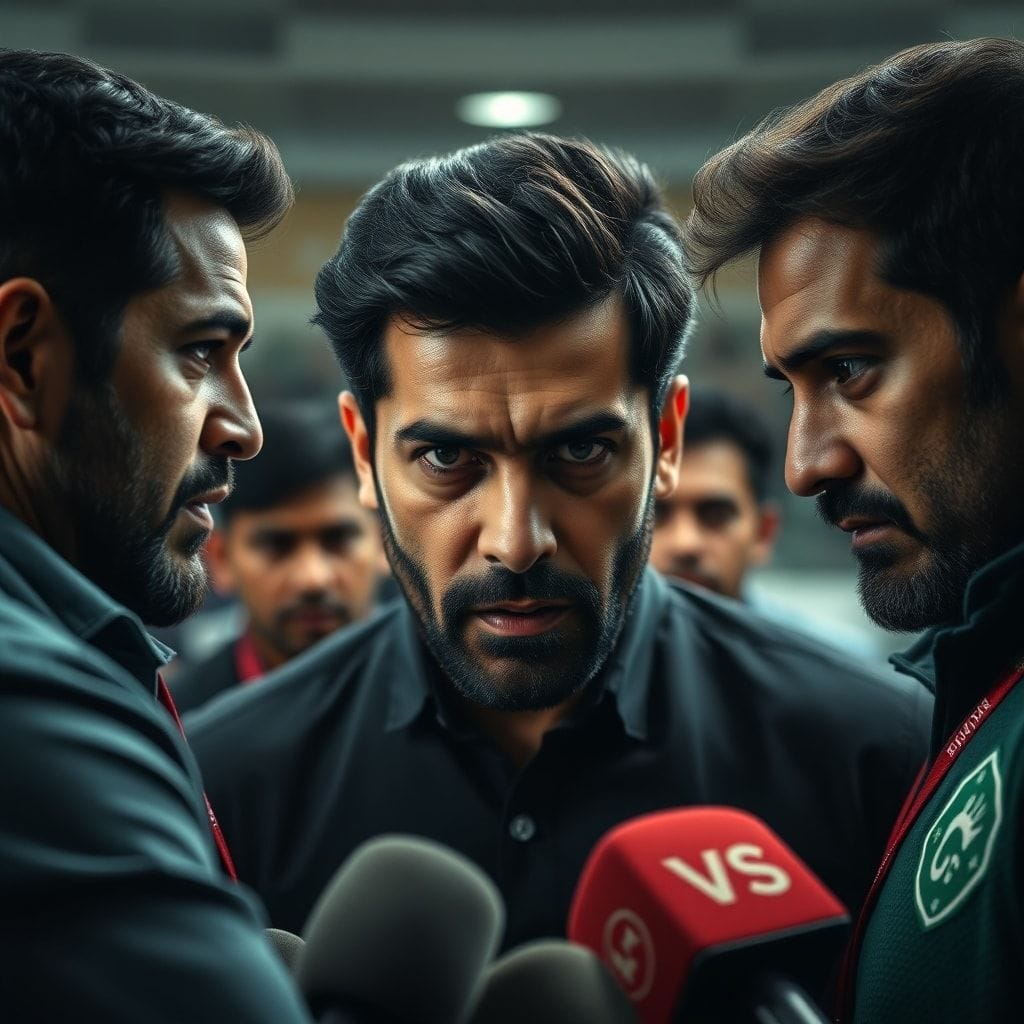
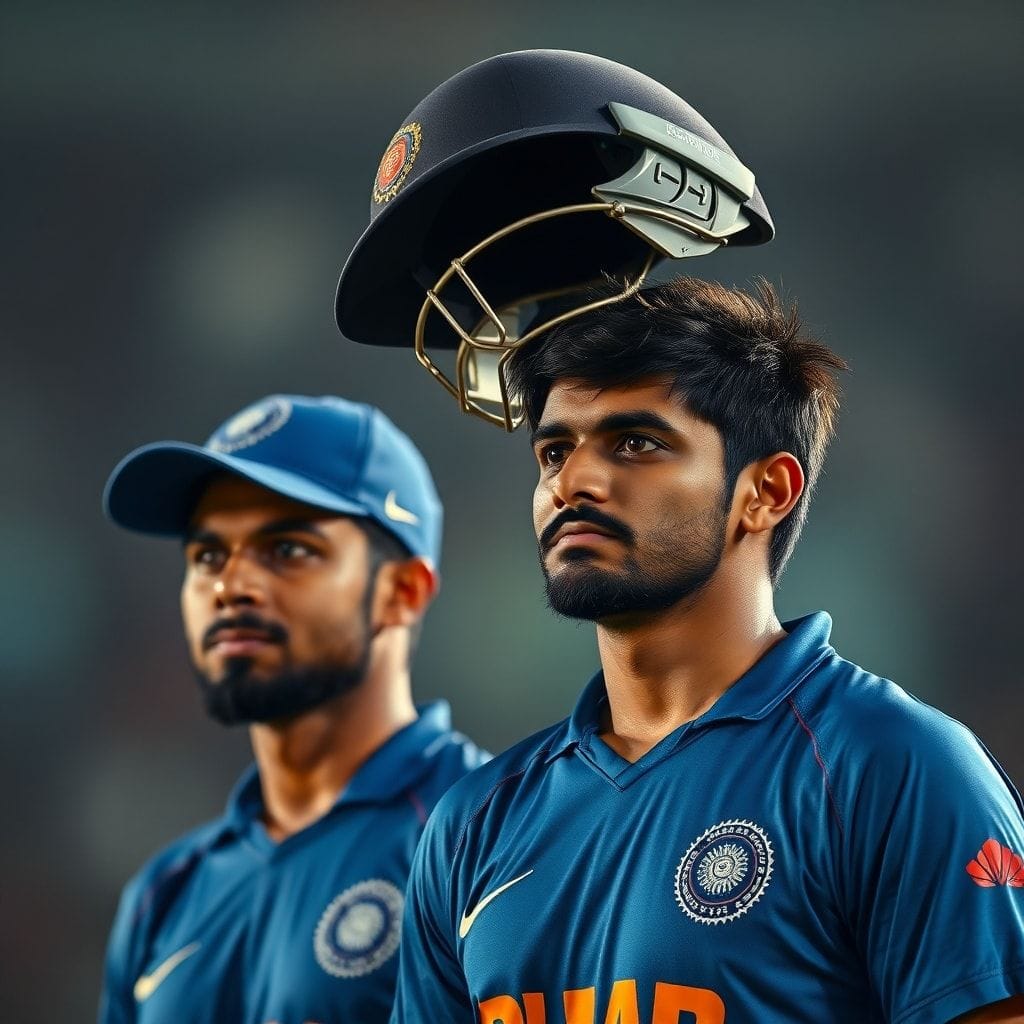
Twitter lit up with reactions as Agarwal lifted his helmet. Fans praised his temperament, calling the innings “a masterclass in grit.” Some highlighted his role as a peacemaker during the on‑field scuffle where J&K captain Paras Dogra clashed with Karnataka’s KV Aneesh. The narrative turned from “run‑out” to “heroic rescue,” and the Karnataka dressing room posted a series of celebratory selfies that went viral.
Local supporters in Hubballi expressed relief that the team avoided a follow‑on, noting the stadium’s atmosphere had turned from tense to hopeful after the partnership blossomed. The crowd’s chants for Agarwal echoed through the stands, reinforcing the belief that a single innings can tilt an entire final.
What comes next?
Day 4 will be a test of Karnataka’s bowlers. The seamer’s early success suggests they still have a foothold, but the pitch will likely level out, aiding spin. Gopal’s backup spinner, Akash Deep, will be crucial. If Karnataka can bowl J&K out cheaply, they’ll need a lower‑order contribution to chase down a modest target.
For Agarwal, the hundred adds a chapter to a career that had recent dips. It could cement his place in the senior national side, especially with the upcoming overseas tour where a temperament to bat in challenging conditions is prized.
the final remains wide open. The balance has shifted from a one‑sided domination to a nail‑biting contest, keeping fans glued to the live feed and promising a thrilling finish.
Cricket Desk: Want more on Associate cricket strategy? Check out our Associate cricket strategy Latest News & Stats.