The Embrace That Spoke Volumes: KL Rahul and Sanju Samson’s Shared Triumph
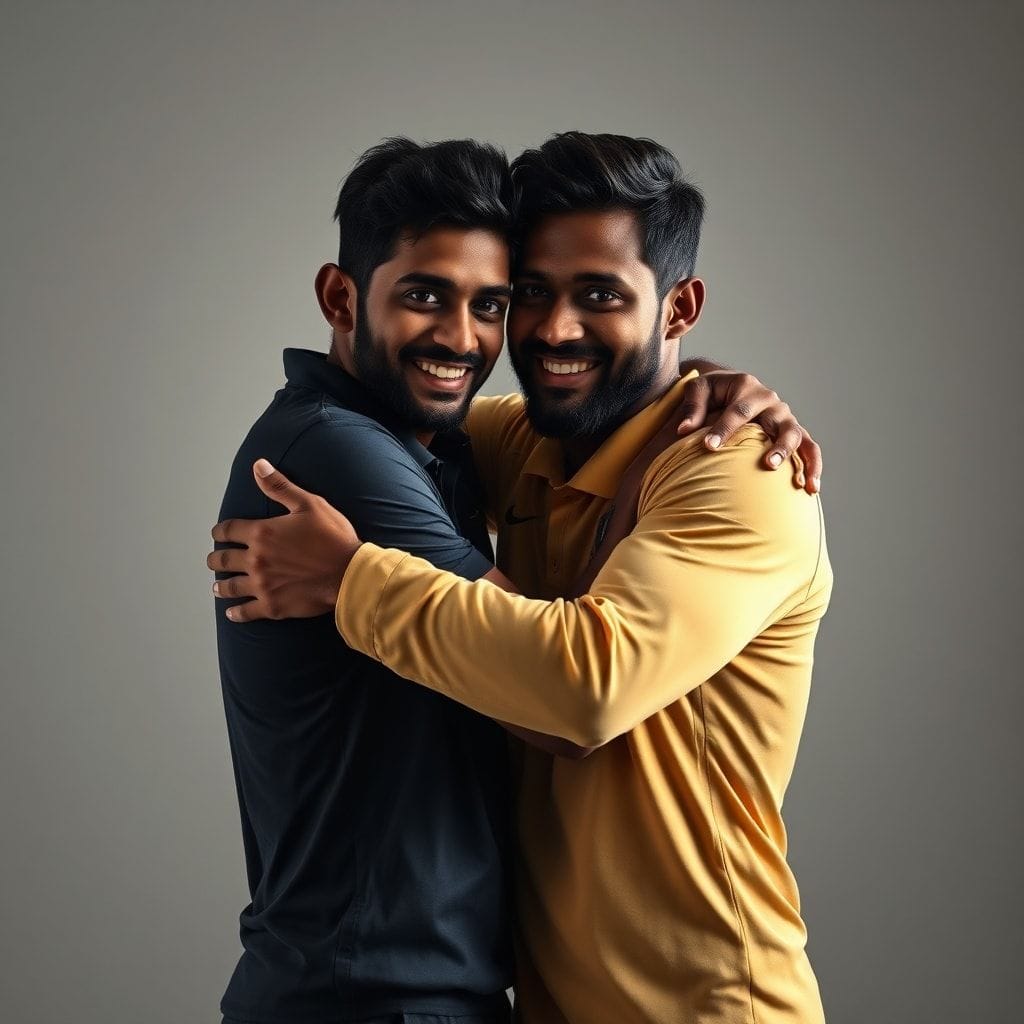
The BCCI Naman Awards in New Delhi turned into a snapshot of Indian Cricket’s newest chapter, celebrating the T20 World Cup glory while showcasing the bond between KL Rahul and Sanju Samson. That simple embrace went viral, reminding fans that behind every selection battle lies a shared journey.
The Stats Behind the Strategy
| Player | Runs | Innings | Strike Rate | Key Match |
|---|---|---|---|---|
| Sanju Samson | 321 | 5 | 197.5 | Super Eight vs West Indies (84*) |
| KL Rahul | 274 | 6 | 156.8 | Semi‑final vs England (68) |
Samson’s numbers tell the story of a player who arrived late but never looked back. His three consecutive 80‑plus knocks came on vastly different surfaces – the slow, turning track in Dharamshala for the Super Eight, the medium‑pace bounce of Chennai’s Chepauk in the semi‑final, and the hard, low‑bouncing ground at Lord’s for the final. Rahul, stationed primarily at the top, adjusted his game to the same venues, blending aggression with restraint to anchor the innings.
Team India’s selection room had a tough call before the tournament: whether to stick with the established opener duo or give Samson a chance as a pinch‑hitter. The decision hinged on pitch‑specific data. In the Caribbean, the bounce was modest but the surface offered plenty of carry, suiting Samson’s wrist‑work. In England, the seam movement demanded a player comfortable on the back foot, something Rahul provided.
Tactical Analysis and Team Decisions
Coach Rahul Dravid’s game plan revolved around flexibility. In the opening game against Pakistan, India opted for a conventional 1‑4‑1 powerplay, with Rahul setting the tone and Samson in the middle order. The strategy shifted in the Super Eight, where the opposition’s death‑over bowler was a known yorker specialist. Dravid sent Samson in at no. 4, asking him to play the short ball and accelerate. Samson’s 84* came off 43 balls, a blend of lofted on‑drives and deft scoops that exploited the low‑bounce at the Shivaji Stadium.
When England entered the semi‑final, the pitch at Edgbaston promised swing. The Indian camp chose a more cautious approach: Rahul opened, playing with a slightly longer bat, while Samson held back for the second half. Rahul’s 68 off 45 balls set a platform; Samson’s late surge added 45 off 20 with a flurry of pulls and ramps, sealing a win.
Player Roles and Mindset
Samson’s rise from a domestic stalwart to Player of the Tournament was as much mental as technical. He spoke of waking up each morning questioning the reality of his achievement—a sign of a mind still processing pressure. His role in the squad morphed from a fringe batsman to a finisher who could reinvent the innings. He embraced the responsibility, treating each ball as a chance to rewrite his narrative.
Rahul, meanwhile, carried the weight of experience. Having faced his own share of criticism for inconsistency, he used the tournament to showcase resilience. His calm demeanor, combined with aggressive intent, made him a bridge between the younger talent and the senior core. The hug at the awards symbolised that mentorship was not a distant concept; it was a daily exchange of confidence.
Tournament Impact and What Comes Next
India’s T20 World Cup triumph has shifted the momentum of the short‑form calendar. The victory, powered by the Rahul‑Samson partnership, has forced other nations to reassess their middle‑order composition. Upcoming series in the UAE and the Asian Games will test whether India can replicate this blend of seasoned opening and explosive finishing.
Domestically, the IPL franchise owners are already eyeing Samson as a potential marquee player, while Rahul’s batting position remains a topic of debate. The next few months will see a tug‑of‑war between retaining proven formulas and experimenting with fresh talent, especially with the 2026 World Cup qualifying rounds looming.
Fan Perspective and Grounded Opinions
Fans on social media cheered the Rahul‑Samson embrace as a sign of genuine camaraderie, a rare sight in an era of individual branding. Many argued that the moment reinforced the team’s unity, a factor that often goes unnoticed in statistical breakdowns. A vocal minority questioned why Samson still struggles for a permanent spot in the Test side, suggesting his brilliance might be limited to the short format.
From a grassroots viewpoint, the story resonates because it mirrors the aspirations of countless young cricketers in tier‑2 cities. The narrative of a player emerging from “the shadows” to claim the world stage fuels local academies and reinforces the belief that hard work can break through the traditional hierarchies.
In essence, the embrace at the Naman Awards encapsulated more than a fleeting gesture; it was a visual reminder that Indian cricket’s strength lies in its collective spirit. As new tournaments loom, the challenge will be to translate that unity into consistent performance across formats.
Cricket Desk: Want more on 2026 T20 World Cup? Check out our 2026 T20 World Cup Latest News & Stats.