The Jersey Mix-Up: Tactical Lessons from India’s T20WC Incident
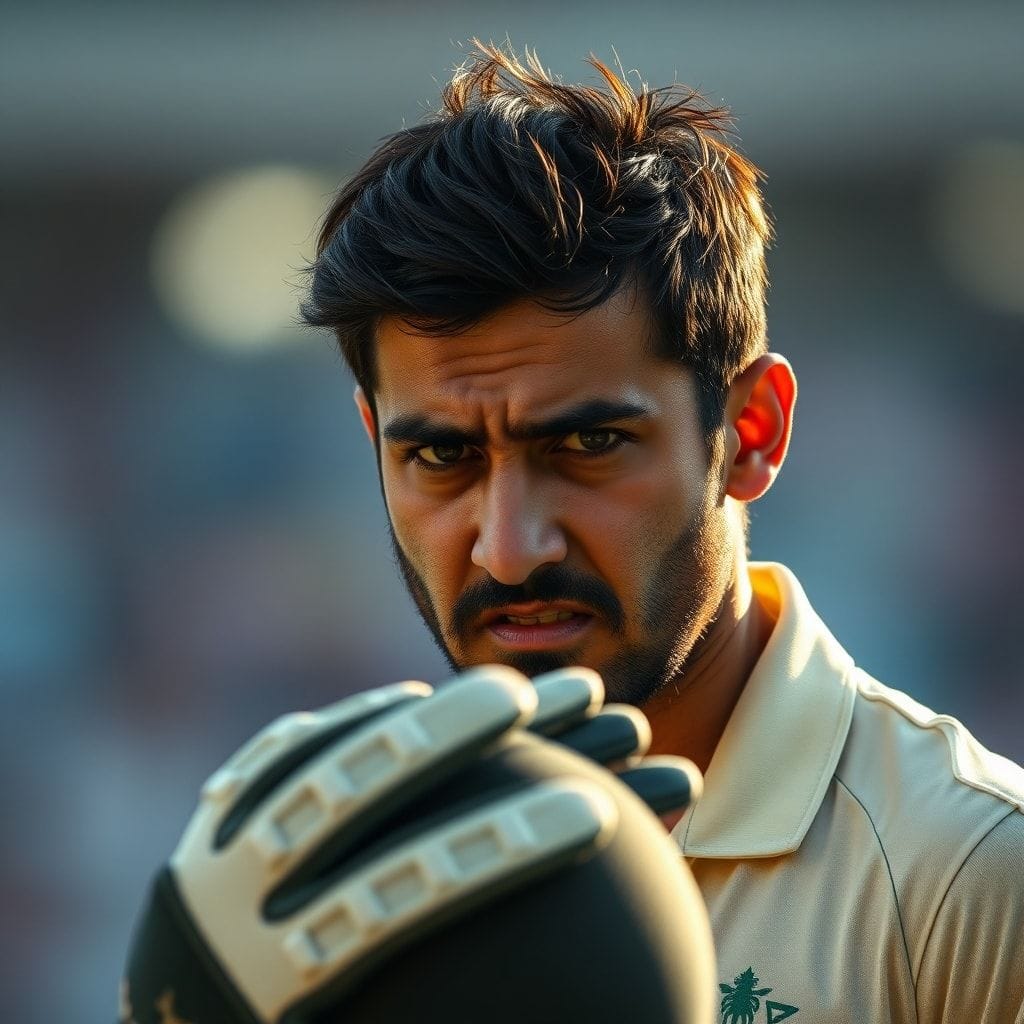
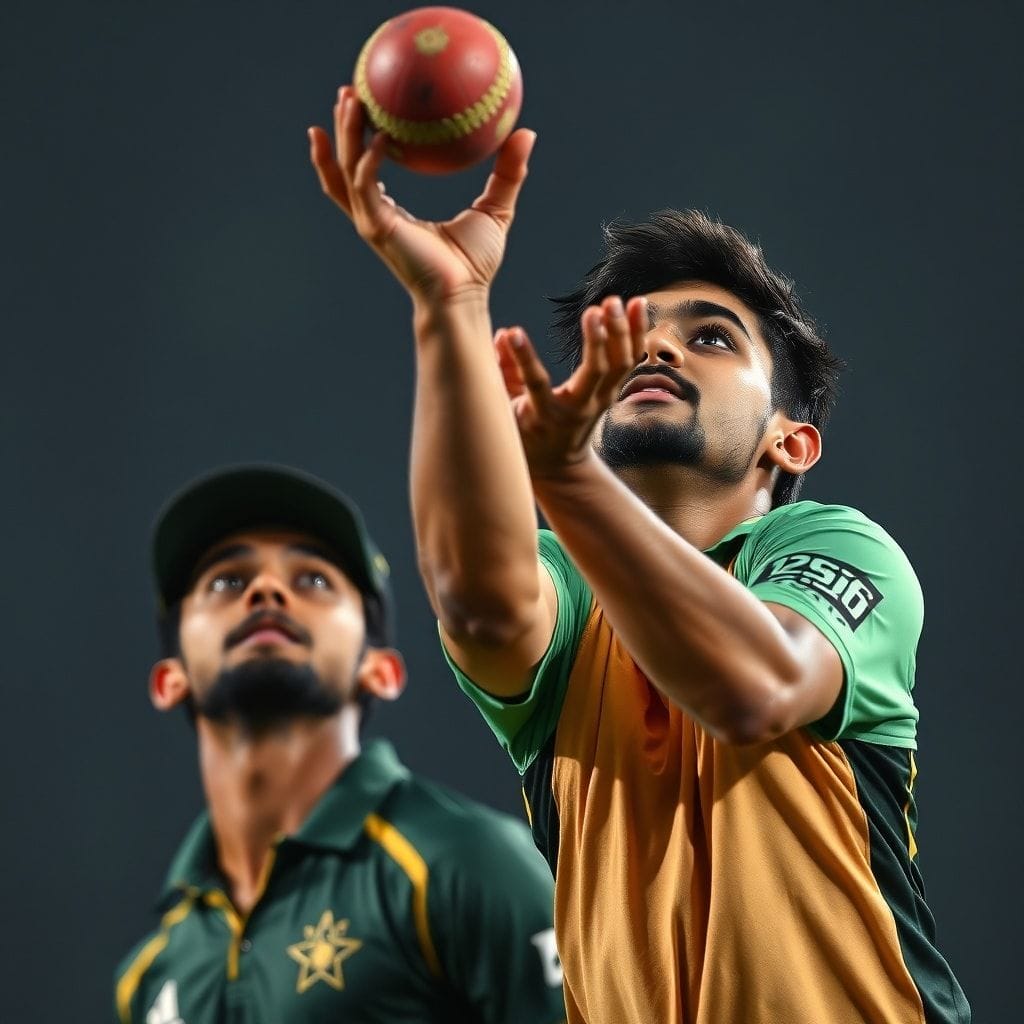
The incident that sent social feeds buzzing was Abhishek Sharma stepping onto the crease in Mohammed Siraj’s jersey at the Narendra Modi Stadium. It mattered because the mix-up sparked a debate on ICC kit rules and highlighted how a simple oversight can become a headline-grabbing story.
India entered the match against the Netherlands with a solid batting line-up, yet the opening act turned into a logistical puzzle. Sharma, the world’s top-ranked T20I opener, arrived without his own kit after leaving his bag at the hotel. With the toss already won and the innings about to begin, the team faced a choice: delay the game while searching for a spare shirt, or use what was immediately available. The decision to let Sharma don Siraj’s number 73 shirt was a pragmatic fix, approved by the match officials under the ICC’s emergency-exception clause.
The Stats Behind the Strategy
| Metric | India (T20 World Cup 2026) | Netherlands |
|---|---|---|
| Average opening partnership | 45.6 runs | 23.1 runs |
| Top scorer (so far) | Virat Kohli – 78* | Scott Edwards – 42 |
| Duck count – openers | 3 (Sharma) | 0 |
| Boundaries per 100 balls | 23.4 | 19.2 |
The numbers show why India’s management felt compelled to keep the innings moving. With the opening partnership averaging over 45 runs, a delay could have disrupted the rhythm that the side relies on to set a platform. The Netherlands, on the other hand, have struggled to build long stands, making every early wicket a potential game-changer.
From a tactical perspective, the choice of batting first at a venue famed for its massive outfield and short straight boundaries was logical. Narendra Modi’s pitch tends to reward big hitting, especially on the first 10 overs when the ball is fresh. The team’s game plan involved a quick start, targeting the square leg and mid-wicket regions where the boundary is shortest. Sharma’s early dismissal for a three-ball duck forced a reshuffle. The second opener, Rahul Tripathi, was handed the reins and immediately shifted gears, looking to compensate for the lost momentum by rotating the strike and exploiting the powerplay.
Player mindset played a crucial role in the unfolding drama. Sharma, known for his calm approach, admitted after the match that the jersey swap threw him off his usual routine. “You get into a mental pocket when you put on your own shirt, it’s part of the ritual,” he said in a post-game interview. Siraj, who was resting on the sidelines, chuckled about the incident but also emphasized the need for collective focus: “Whether it’s my jersey or yours, the goal is the same – win the match.” This shared perspective helped the team stay united despite the early hiccup.
Looking ahead, the incident holds limited impact on India’s tournament trajectory but serves as a reminder of the fine margins in world events. The team still sits atop Group A, and a win against the Netherlands keeps the path to the Super 8s clear. The real test comes in the next fixture against South Africa, where the opposition’s pace attack will test India’s middle order depth. If the side can bounce back from Sharma’s third consecutive duck, it will reinforce confidence in the bench strength and the adaptability of the coaching staff.
Fans on social media reacted with a mixture of amusement and concern. Some joked about a new “shirt-swap” strategy, while others expressed genuine worry about the professionalism of the setup. In the stands, the crowd’s reaction was light-hearted; chants shifted quickly from “Sharma!” to applause for the aggressive partnership that followed, highlighting how quickly the atmosphere can pivot in the T20 format.
the episode underscores that even at the highest level, cricket remains a human game where forgotten kit bags can create headline moments. The ICC’s flexibility in allowing an emergency jersey change prevented a stoppage and kept the focus on the sport itself. As the tournament rolls on, India will aim to translate the lessons from this quirky incident into disciplined performances, ensuring that the next time a shirt is swapped, it’s a tactical decision, not a logistical mishap.
Cricket Desk: Want more on Abhishek Sharma injury? Check out our Abhishek Sharma injury Latest News & Stats.