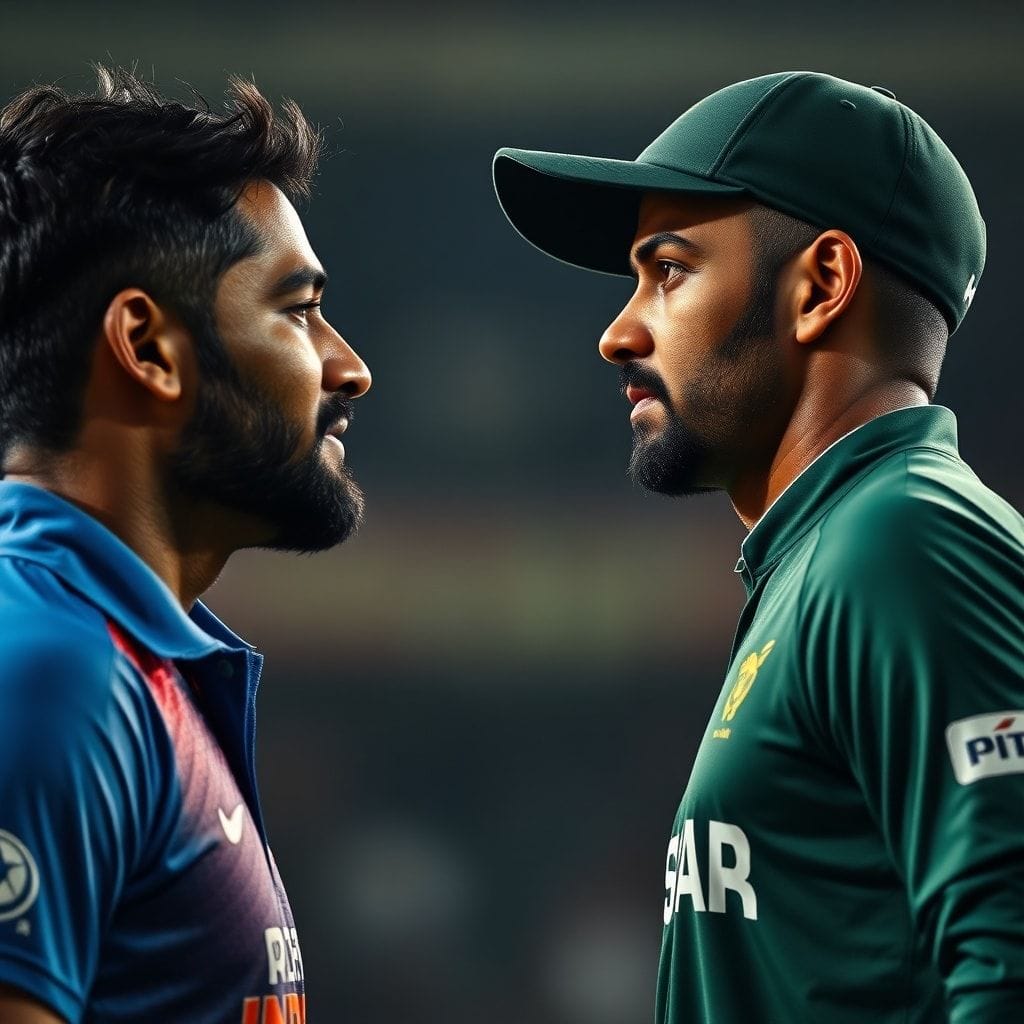
India’s Super Eight Setback: What Went Wrong Against South Africa
India’s Super Eight clash against South Africa at Ahmedabad’s Narendra Modi Stadium ended in a 76‑run thrashing, a result that reshapes the T20 World Cup 2026 landscape. The loss not only snapped a 12‑match winning run but also put India’s semi‑final hopes on a tightrope, making the next two games decisive.
The Stats Behind the Strategy
| Metric | India | South Africa |
|---|---|---|
| First‑innings total | 187/7 (20 ov) | 111 all out (18.5 ov) |
| Top partnership | 97 runs (Miller‑Brevis) | 27 runs (Varma‑Sharma) |
| Wickets in Powerplay | 3 (Bumrah 3/15) | 4 (Jansen 4/22) |
| Run rate (first 6 overs) | 9.2 | 6.5 |
| Net Run Rate change | -1.35 | +1.20 |
The numbers tell a clear story: South Africa’s middle‑order firepower turned a modest start into a defendable total, while India’s chase crumbled after a brutal spell from Marco Jansen.
Match Context and Tactical Choices
Both teams entered the Super Eight with unbeaten records. India, led by Suryakumar Yadav, opted for a conventional opening pair – Abhishek Sharma and Ishan Kishan – hoping to exploit the early‑morning breeze that favors seam movement. South Africa, aware of the tightness of the surface, kept the new ball with Jansen and Ngidi, coupling height and swing. The decision to bowl first paid immediate dividends. Jasprit Bumrah’s opening over was a masterclass in yorker‑driven aggression, yielding three wickets for just 15 runs and setting India up as the tournament’s leading wicket‑taker. When the Proteas began their chase, they chose to preserve the first two wickets, a classic powerplay approach. Yet the moment Marco Jansen entered, the plan shifted. His disciplined line, punctuated by a full‑length delivery that rose sharply, uprooted the Indian top order, causing a cascade of dismissals.
Player Roles and Mindset
Suryakumar, usually an aggressive finisher, found himself anchored at the top. His admission that “we lost too many wickets early on” reflects a mindset forced from dominance to survival. The middle order – Tilak Varma, Shubman Gill – appeared tentative, perhaps aware that a single partnership was needed to keep the scoreboard ticking. On the South African side, David Miller’s blitz of 63 off 35 epitomised the ‘change‑up’ mentality: after a measured start, he accelerated, targeting the slower sections of the track. Dewald Brevis, the young dynamo, complemented Miller with power hitting, showcasing his comfort against the short, square of the wicket. Marco Jansen’s 4/22 underlines a bowler’s confidence in using bounce to intimidate. His ability to extract extra bounce on a surface that traditionally offers a bit of seam gave India little room to settle.
Impact on the Tournament and What Comes Next
India’s net‑run‑rate plunge now hangs over their upcoming fixtures against Zimbabwe and the West Indies. Both matches are virtual knockout games; a win is essential to keep the semi‑final door open. The team’s bowlers will need to replicate Bumrah’s early dominance, while the batting unit must rebuild confidence through at least one solid partnership per chase. South Africa, meanwhile, rides a wave of momentum. Their next opponent, England, poses a different challenge – a side with depth in both spin and pace. The Proteas will likely stick with the Jansen‑Ngidi opening duo, but they may also experiment with a pinch‑hitter in the later overs, mirroring Miller’s role versus India.
Fan Perspective and Grounded Opinions
The Indian fanbase, accustomed to high‑octane chases, expressed bewilderment on social media. Many pointed to the lack of a calm, rotating strike in the middle overs, accusing the middle order of “panic‑hitting” instead of building the innings. Conversely, South African supporters celebrated the victory as a test of character, highlighting the team’s ability to recover from 20/3 to post 187. The crowd’s reaction to Miller’s finish was a blend of relief and exhilaration, confirming that the Proteas’ grit resonated beyond the boundary. From a neutral standpoint, the match reinforced a timeless cricket lesson: early wickets in a chase can be more damaging than conceding a few extra runs in the powerplay. India’s bowlers set a platform; the batting unit couldn’t capitalize, and South Africa’s disciplined bowling unit sealed the deal.
Looking Ahead
India’s path forward demands a tactical reset – perhaps promoting a more experienced finisher up the order, or re‑thinking the approach to the middle overs. South Africa will aim to replicate their partnership blueprint, ensuring that the momentum from Ahmedabad carries through to the quarter‑finals.
Cricket Desk: Want more on India vs South Africa? Check out our India vs South Africa Latest News & Stats.