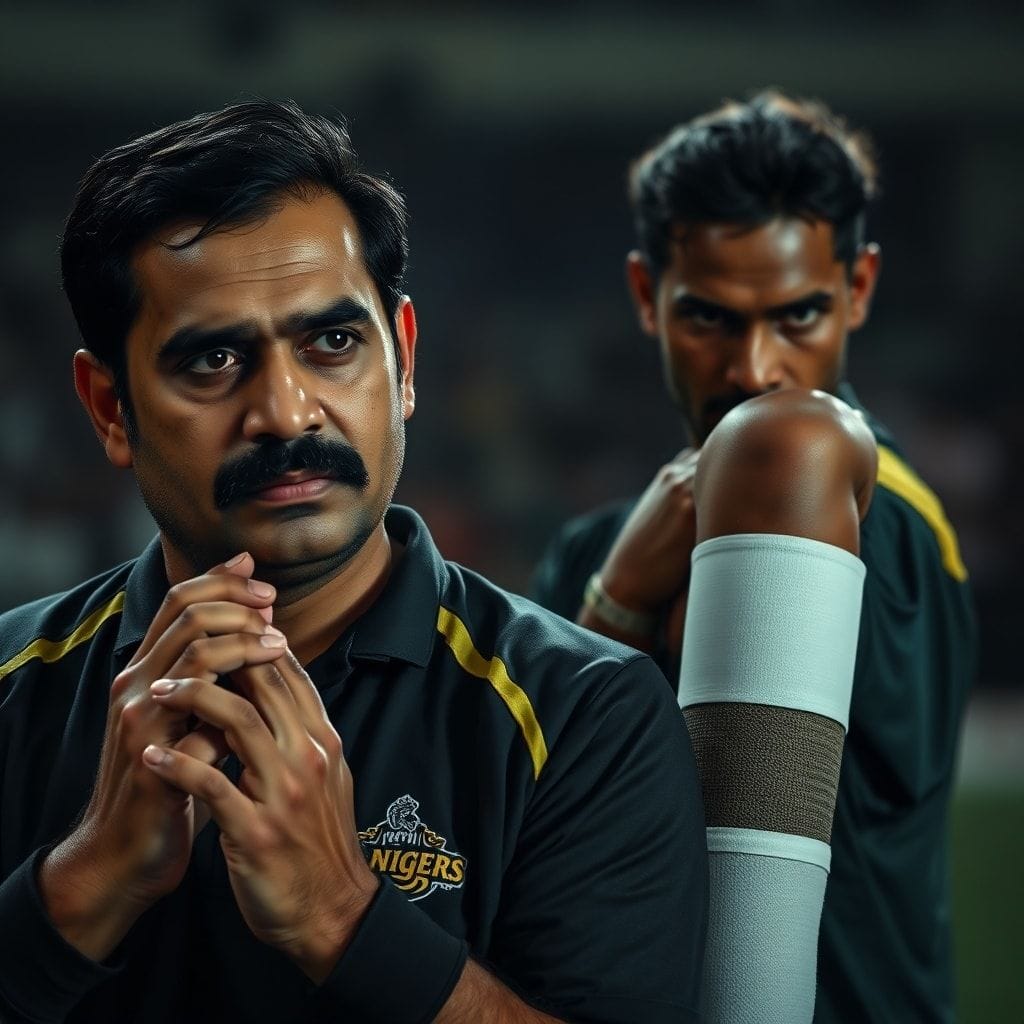
India’s Tactical Misstep Against South Africa: What Went Wrong?
This piece looks at why India’s loss to South Africa in the T20 World Cup Super 8s matters beyond the scoreboard. It dives into the tactical choices that sparked a heated debate, the players caught in the cross‑fire and what the next match could mean for India’s semi‑final hopes.
Ahmedabad’s Sardar Patel Stadium is known for a surface that bites when bowlers vary pace. South Africa exploited that trait expertly, turning what should have been a batting‑friendly arena into a graveyard for India’s chase. The fallout was immediate: former cricketer Sanjay Manjrekar took to the mic and ripped head coach Gautam Gambhir’s reliance on Washington Sundar, calling it a “Swiss Army knife” approach that left the middle order exposed.
The Stats Behind the Strategy
| Team | Runs | SR | Overs | Key Bowler | Economy |
|---|---|---|---|---|---|
| India | 108 | 115.79 | 15.0 | Washington Sundar | 9.5 |
| South Africa | 164/5 | 136.67 | 15.0 | Lungi Ngidi | 6.4 |
The numbers tell a simple story. India’s top‑order fell for 23 runs, and the middle order added only 85 more. Sundar’s economy ballooned to 9.5 after being handed the No. 5 slot – a role he rarely plays in the IPL or ODI set‑ups. Ngidi, on the other hand, kept a tight line, using a mix of cut‑seam and slower deliveries that suited the Ahmedabad grip.
Tactical Choices Under the Lens
Gambhir’s decision to promote Sundar to No. 5 was a gamble. The all‑rounder has proven his worth with the ball, especially in the death overs, but his batting record in the top‑order is modest. By moving him higher, the coach pushed finishers Hardik Pandya and the promising Rinku Singh down to No. 7 and No. 8, respectively. The intention was to give the team a bowler who could also contribute runs, but the execution back‑fired.
India’s chase needed a solid middle platform to absorb Ngidi’s variations. Instead, the side kept rotating strikes, exposing the weakness against slower balls. Captain Suryakumar Yadav, usually comfortable with pace, seemed uncomfortable with the deceptive change‑ups, often mistiming his pull and slog‑sweep attempts.
Player Roles and Mindsets
Washington Sundar entered the match with a clear bowling plan: bowl at the back of a length, force the batsmen onto the back foot. When he stepped up to bat, his mindset shifted to “fix‑it‑all” – a pressure he admitted feeling in post‑match interviews. The sudden role change likely disrupted his rhythm, leading to an early dismissal for 7 runs.
Hardik Pandya, known for his roar at the death, was left to wonder what his role would be if India survived the middle overs. Rinku Singh, a powerful finisher in the IPL, was left in the lower order with limited balls left, making it hard to make an impact.
On the SA side, Lungi Ngidi’s plan was simple: vary pace and hit the blockholes. The Ahmedabad pitch, with its dry crumb, offered extra turn on the slower balls, allowing Ngidi to grip the surface and generate subtle movement.
Impact on the Tournament and What Comes Next
India’s Net Run Rate took a hit, turning the upcoming clash with Zimbabwe into a must‑win. A victory by a large margin is essential; otherwise, even a win might not be enough to secure a semi‑final berth. The coach now faces a choice: stick with the “all‑in‑one” Sundar experiment or revert to a more traditional line‑up where specialists occupy defined slots.
If Gambhir opts for a reshuffle, we could see Pandya back at No. 5 and Sundar returning to the lower order, focusing on his death‑overs expertise. That would restore balance but also raise questions about why the experiment was tried in a high‑pressure game.
Fan Perspective and Grounded Opinions
Fans across social media expressed a mix of frustration and hope. Many echoed Manjrekar’s sentiment, pointing out that the team appeared “over‑engineered” for a situation that required clear roles. Others defended the gamble, suggesting that the modern game rewards flexible players who can adapt on the fly.
From the stands, the crowd’s energy dipped after the early wickets, and the silence that followed Sundar’s dismissal spoke louder than any commentary. Yet, there is still belief in the squad’s talent. The Indian supporters know that a single match does not define a campaign, and the team’s depth gives them confidence that the next game can turn the tide.
the loss was a lesson in the limits of versatility when specialists are needed the most. The next few days will reveal whether the coaching staff can learn from the mistake and whether the players can translate that learning into a decisive win against Zimbabwe.
Cricket Desk: Want more on 2026 T20 World Cup? Check out our 2026 T20 World Cup Latest News & Stats.