India’s T20 World Cup Final Triumph: A Blend of Power, Precision, and Fielding Brilliance
The final of the 2026 Men’s T20 World Cup turned the Narendra Modi Stadium into a showcase of power hitting and razor‑sharp fielding. India posted a towering 255‑5, and a single piece of athletic brilliance from Ishan Kishan tilted the chase firmly in their favour. That catch didn’t just dismiss Rachin Ravindra; it sparked a collapse that sealed the title on home soil.
The Tactical Canvas
India’s innings was built around a clear plan: dominate the powerplay, then accelerate with depth. Sanju Samson opened with a controlled on‑side game, then unleashed an 89‑run onslaught that stretched the field. Abhishek Sharma’s 52 off 21 balls gave the top order a springboard, allowing the middle order to play with freedom.
When the score reached 140‑2, the captain’s mind shifted to preserving wickets while keeping the run rate well above 12. The decision to slot Ishan Kishan at number five paid dividends; his 54 added the final push to 255. Shivam Dube’s late strike‑rate spurt (26* off 9) turned a solid total into a record‑breaking one.
Bowling Blueprint and Fielding Edge
New Zealand’s chase began with a conventional opening pair, but the first breakthrough came early. Jasprit Bumrah entered at 3.1 overs, a move designed to exploit the new ball’s seam and the pitch’s slight bounce. His off‑cut on leg‑stump fooled Rachin Ravindra, who tried to angle the ball behind square.
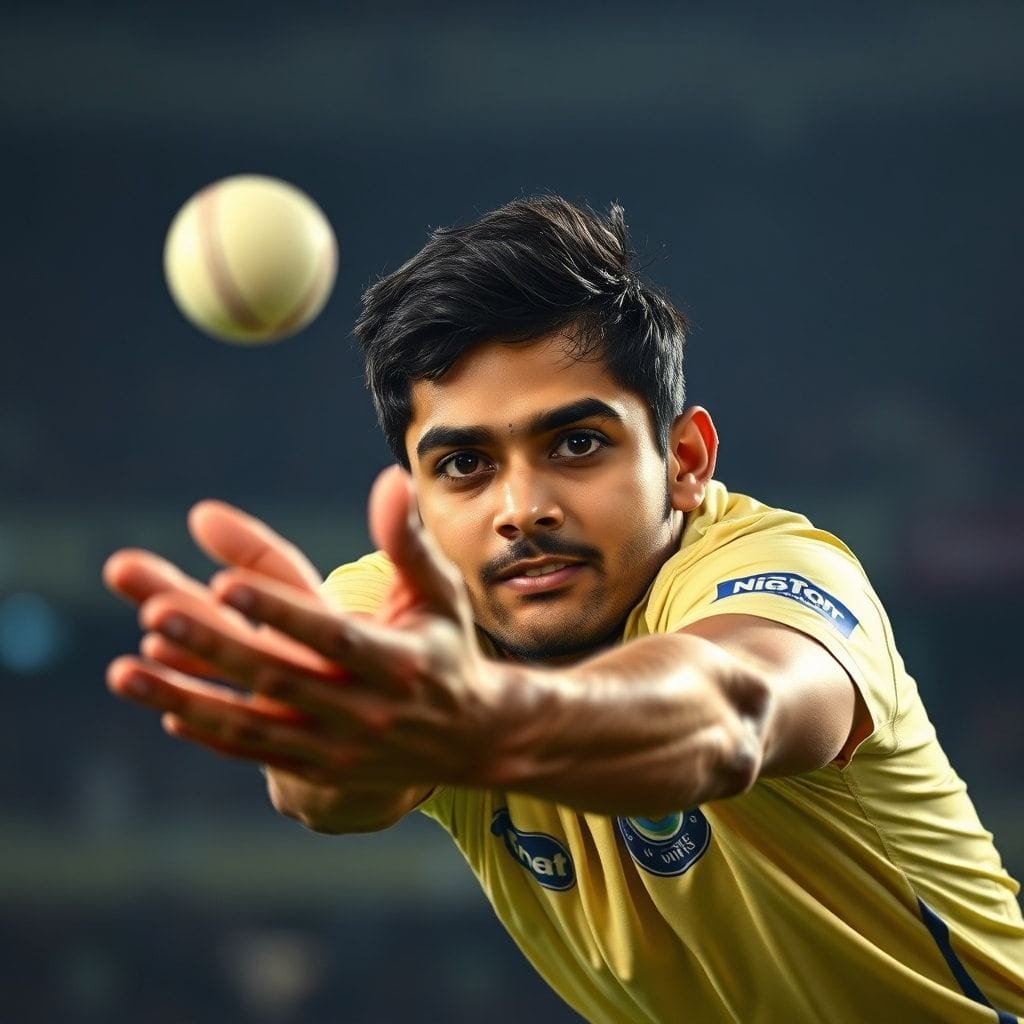
The delivery rose high, and Kishan’s sprint to deep square‑leg turned the moment into a headline. The catch was not just a flash of reflex; it was the culmination of a fielding drill that India ran for weeks, placing a deep‑square‑leg fielder with perfect sightlines for leg‑side off‑cutters. The dismissal lowered New Zealand to 32‑2, setting the tone for a chain reaction.
Player Mindset on the Pitch
Samson approached his innings with the mindset of a finisher, eyeing every boundary as a statement. Abhishek Sharma saw the early overs as a platform to accelerate, treating each delivery as a chance to bust the field. Kishan, often praised for his power, displayed restraint before erupting, waiting for the right moment to unleash his bat.
On the bowling side, Bumrah’s calmness under pressure is a hallmark; his first ball was intended to test the batsman’s footwork rather than rush a wicket. Axar Patel’s quick wickets—Allen and Glenn Phillips—were outcomes of a plan to target the seam and force errors.
The Stats Behind the Strategy
| Metric | India | New Zealand |
|---|---|---|
| Total Runs | 255/5 (20 overs) | 112/8 (20 overs) |
| Run Rate | 12.75 | 5.60 |
| Boundaries (4s+6s) | 28 fours, 12 sixes | 9 fours, 3 sixes |
| Top Partnership | Samson‑Sharma: 115 runs (12.5 overs) | Seifert‑Thomas: 68 runs (7.2 overs) |
| Key Wickets | Bumrah (2/24), Patel (2/21) | Kishan catch, Pandya run‑out |
Venue‑Specific Nuances
The Modi Stadium’s flat, hard surface melds well with a low‑bounce approach. Samson’s vertical wall strokes thrived on the predictably fast outfield, while Bumrah’s cutters found extra grip on the seam‑friendly top‑layer. Kishan’s deep‑square‑leg position took advantage of the venue’s spacious leg side, where the ball can drift longer before touching down.
Impact on the Tournament and What Lies Ahead
This victory cements India’s era of dominance in short‑form cricket, especially on home soil. The win gives the board a boost ahead of the upcoming bilateral series, and it reinforces the belief that the current core group—Samson, Sharma, Kishan, Bumrah—can deliver under the brightest lights.
For New Zealand, the loss highlights a need to restructure the lower middle order and to develop fielding drills that match India’s intensity. Their bowlers will return to the drawing board, focusing on variations that can outfox a side that attacks aggressively from the outset.
Fan Reaction and Grounded Views
Social media buzz was immediate; fans praised Kishan’s catch as the moment that defined the final. Many pointed out that the match turned on a single fielding effort and that India’s ability to convert power into points will shape the next few years of T20 cricket. Critics, reminded that New Zealand’s half‑century from Seifert showed that the chase was never completely out of reach.
the consensus is clear: a blend of fearless batting, disciplined bowling, and electric fielding created a formula that other nations will try to emulate. The tournament’s legacy now rests on a final that delivered drama, skill, and a reminder that every run saved or wicket taken can shift the balance of a world championship.
Cricket Desk: Want more on 2026 T20 World Cup? Check out our 2026 T20 World Cup Latest News & Stats.