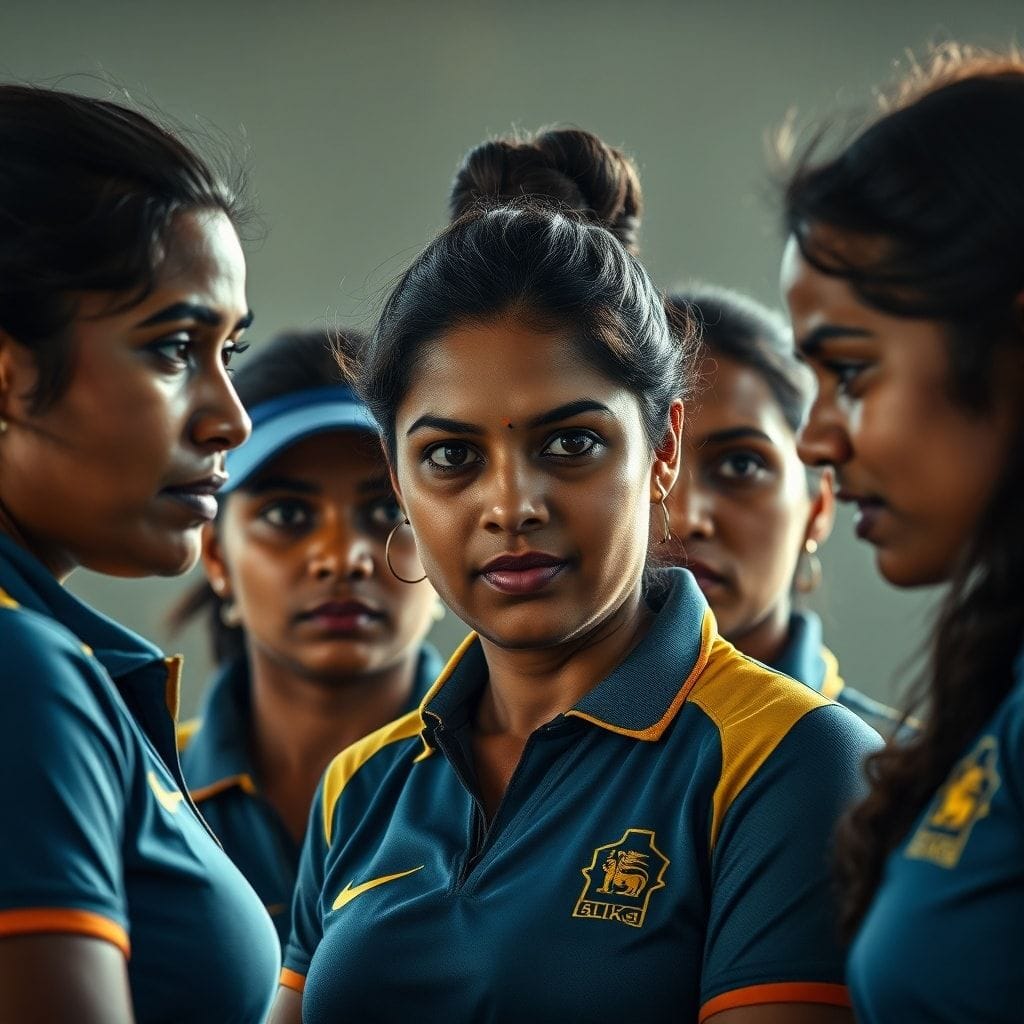
India’s T20 World Cup 2026 Survival Plan: Tactical Breakdown Ahead of Zimbabwe Clash
India enters a critical phase in the T20 World Cup 2026 after a shocking loss to South Africa, leaving their fate hanging on net run-rate and upcoming clashes with Zimbabwe and the West Indies. With everything to play for, strategic decisions around player roles, pitch conditions, and match scenarios become vital. This analysis explores how India can navigate the tricky terrain of Chennai’s spin-friendly pitch while managing high-pressure situations.
The Stats Behind the Strategy
| Match | Points | NRR | Key Player |
|---|---|---|---|
| India vs South Africa | 0 | -3.80 | Rashid Khan (3/19) |
| West Indies vs Zimbabwe | 2 | +1.45 | Kieron Pollard (45*) |
| South Africa vs West Indies (upcoming) | ? | ? | Quinton de Kock (opening) |
| India vs Zimbabwe (upcoming) | ? | ? | Jasprit Bumrah (death overs) |
The numbers tell a story of missed opportunities and looming challenges. India’s -3.80 NRR puts them behind the eight-ball, especially when compared to West Indies’ +1.45. Zimbabwe may be winless, but they can significantly shift momentum if they post a big score on a turning Chennai pitch.
Match Context and the Chennai Puzzle
M.A. Chidambaram Stadium is known for its dry, slow surface that rewards patience and spin accuracy. Historically, spinners dominate here, averaging 1.2–1.3 runs per over conceded. Pacers struggle beyond the powerplay due to lack of bounce. India’s spin trio—Akshdeep Nath, Rahul Chahar, and Ravichandran Ashwin—are expected to control proceedings, though recent form remains a concern.
Zimbabwe’s bowling lineup features Carl Mumba, a left-arm spinner adept at exploiting such conditions. His tight lines often induce errors from batsmen looking to accelerate. Meanwhile, West Indies rely heavily on pace and power, which could falter on Chennai’s slower surface. Their explosive performance against Zimbabwe came on a lively Caribbean pitch—a luxury they won’t have this time.
Tactical Decisions That Could Tip the Balance
Captain Rohit Sharma faces key choices regarding field placements and bowling orders. Opening with a spinner early could stifle Zimbabwe’s aggressive intent, but exposing the middle order prematurely poses risks. A safer alternative involves deploying Bhuvneshwar Kumar first to apply pressure before introducing spin in the middle overs.
Zimbabwe plays without pressure, allowing them to take liberties with strokeplay. Their openers, Sikandar Raza and Sean Williams, are capable of clearing the infield if given width. India must strike a balance between containment and aggression in setting fields, avoiding predictability that invites boundaries.
In facing West Indies, India should aim to score quickly during the powerplay using Hardik Pandya and Ruturaj Gaikwad. Control through the middle overs and disciplined death bowling will be essential to counter West Indies’ explosive finishers like Andre Russell and Nicholas Pooran.
Player Mindset and the ‘Nothing to Lose’ Factor
Zimbabwe walks into the match unburdened by expectations. This freedom often leads to fearless cricket where players attempt audacious shots and try innovative deliveries. While it boosts creativity, it also raises the risk of collapses—an opportunity India must capitalize on.
Conversely, India shoulders national expectations and must erase a damaging NRR deficit. Every run matters, every wicket counts. Maintaining focus under pressure, especially in high-turnover phases, will define their campaign moving forward.
Implications for the Tournament and What Lies Ahead
A sweep of remaining fixtures does not guarantee advancement. India needs favorable results elsewhere, particularly in the South Africa-West Indies game. If South Africa defeats West Indies, India stands a better chance via superior NRR. Otherwise, a narrow win margin—even 50-plus runs—is insufficient unless paired with strong bowling performances.
The next two matches test India’s adaptability. A commanding victory over Zimbabwe resets confidence and improves NRR. Anything less risks relegating them to an early exit despite qualification possibilities.
Fan Perspective and Grounded Opinions
Across fan forums and social platforms, debates rage over squad composition. Some advocate adding another frontline spinner considering Chennai’s nature. Others commend the inclusion of utility all-rounder Rahul Dalvi, whose dual skills offer tactical flexibility.
Srikkanth’s insights resonate widely—he warns that Zimbabwe’s unpredictability shouldn’t be underestimated. Fans agree: complacency invites surprises. As India prepares for these pivotal contests, the blend of experience, innovation, and mental strength will determine whether they advance—or fall short amid global scrutiny.
Cricket Desk: Want more on Chennai pitch? Check out our Chennai pitch Latest News & Stats.