India’s Gritty Win Over USA at Wankhede Sets Tone for T20 World Cup 2026
India kicked off their T20 World Cup 2026 campaign with a hard-fought victory against the United States at Mumbai’s iconic Wankhede Stadium. The match was significant not just as an opener, but as a test of adaptability on a pitch that offered variable bounce and grip, making scoring a challenge.
Chasing a below-par total often spells trouble, but batting first on this surface wasn’t a walk in the park either. Early losses saw India reeling at 28 for 3 in the first eight overs, with the red-soil track proving tricky for openers trying to settle in. The ball kept low, seams moved subtly, and the outfield offered little pace—conditions tailor-made for disciplined bowling attacks.
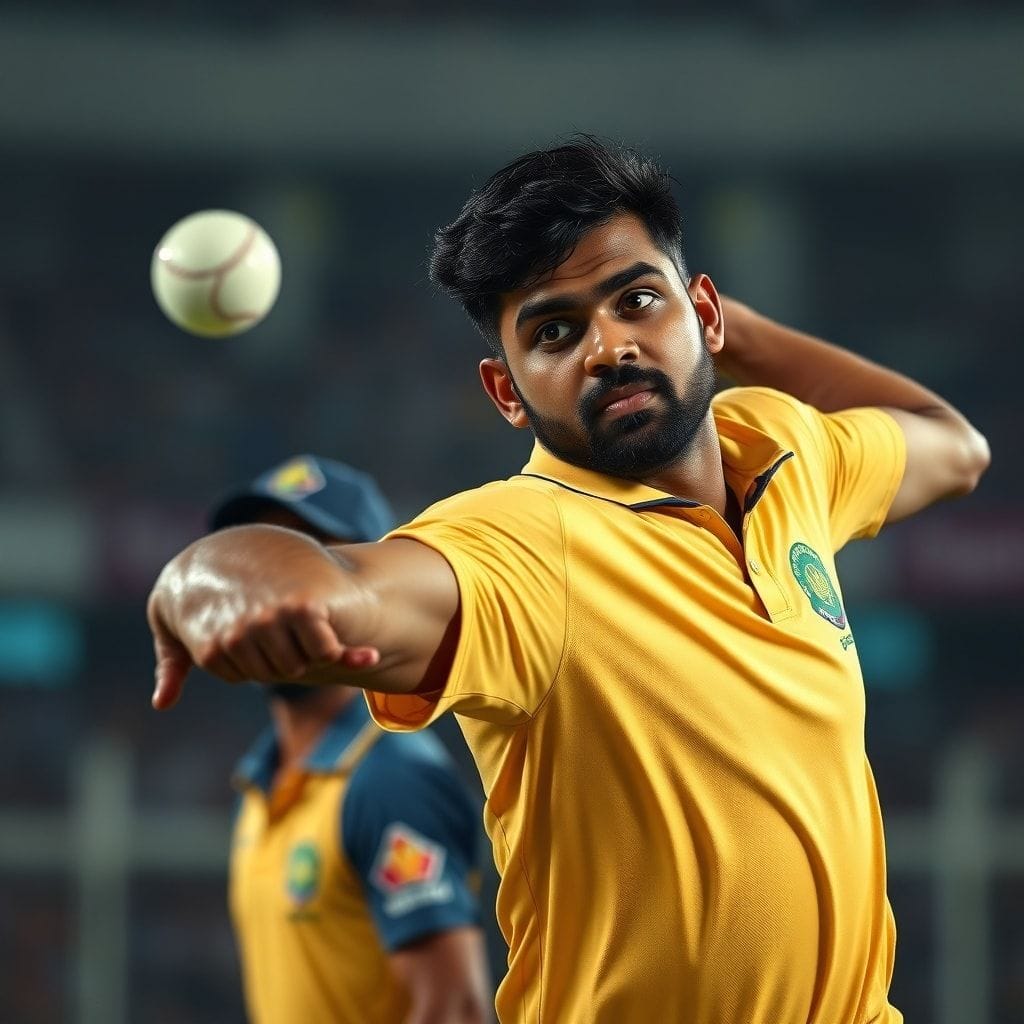
It was then that Suryakumar Yadav walked in at number five and calmly stitched together an innings that defied the tough setup. Rather than forcing shots, he waited for the right deliveries and capitalized on loose bowling. His measured aggression, especially during a crucial 22-run partnership with Arshdeep Singh in the 17th over, shifted momentum decisively in India’s favor.
Arshdeep’s unexpected cameo—a boundary and a six off just two balls—added both runs and energy. He finished unbeaten on 4 off 2 balls, complementing his earlier four-over spell where he picked up a wicket and kept things tight. India ended with 184 for 5, a total that looked better than it did on paper thanks to the pitch assisting the bowlers.
The Stats Behind the Strategy
| Player | Runs | Balls | Strike Rate | Overs Bowled | Wickets |
|---|---|---|---|---|---|
| Suryakumar Yadav | 84 | 49 | 171.4 | – | – |
| Arshdeep Singh | 4 | 2 | 200.0 | 4 | 1 |
| Harmeet Singh (Bowl) | – | – | – | 3 | 2 |
| USA Top Scorer | 62 | 45 | 137.8 | – | – |
| USA Economy Avg | – | – | – | 4+ | – |
Suryakumar’s 171.4 strike rate showcased his class under pressure. Arshdeep’s dual-role performance—bowling economically and finishing with bat—reflected smart thinking from the team management. For USA, despite a solid knock of 62, the lack of secondary contributors meant they fell short at 180 for 8.
The Wankhede pitch influenced strategy significantly. Its red-soil composition tends to favor seamers early on, and players familiar with these conditions had an edge. Harmeet Singh exploited this by taking two quick wickets, while Suryakumar adjusted by playing later and using sweeps effectively to counter the low bounce.
Tactically, promoting Suryakumar to number five proved wise. It protected him from the early chaos and ensured he faced the latter part of the innings when control was possible. Arshdeep’s cameo, though spontaneous, aligned with the modern philosophy: every player must be ready to step up beyond their defined role.
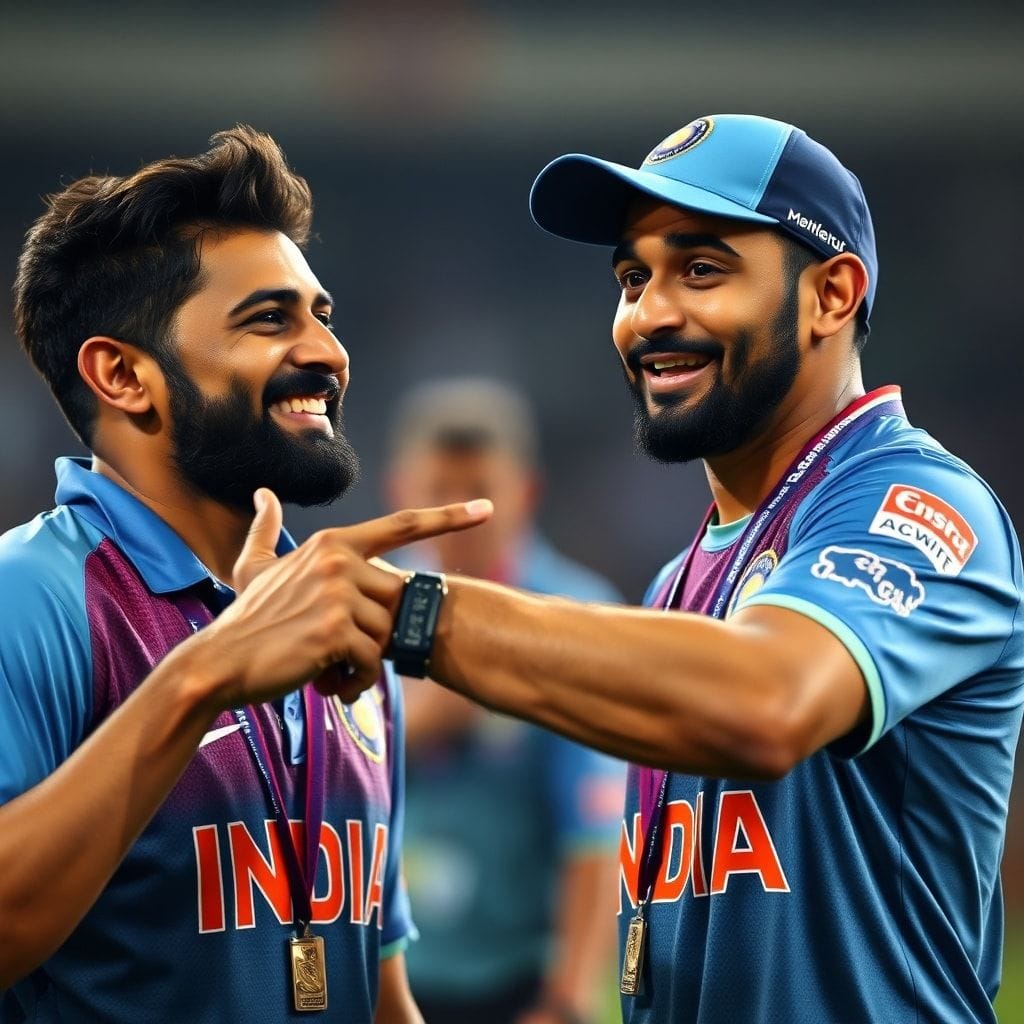
Fans were treated to more than just cricketing action. Post-match interactions between players brought warmth to the competitive edge. A playful moment between Suryakumar and Arshdeep—captured widely online—showcased team chemistry that goes beyond statistics.
Moving forward, India will take positives but also recognize areas needing polish. Their top-order needs stability on awkward pitches, and field settings must tighten against lower-order threats. Yet the blend of grit, innovation, and fun makes this side relatable and formidable.