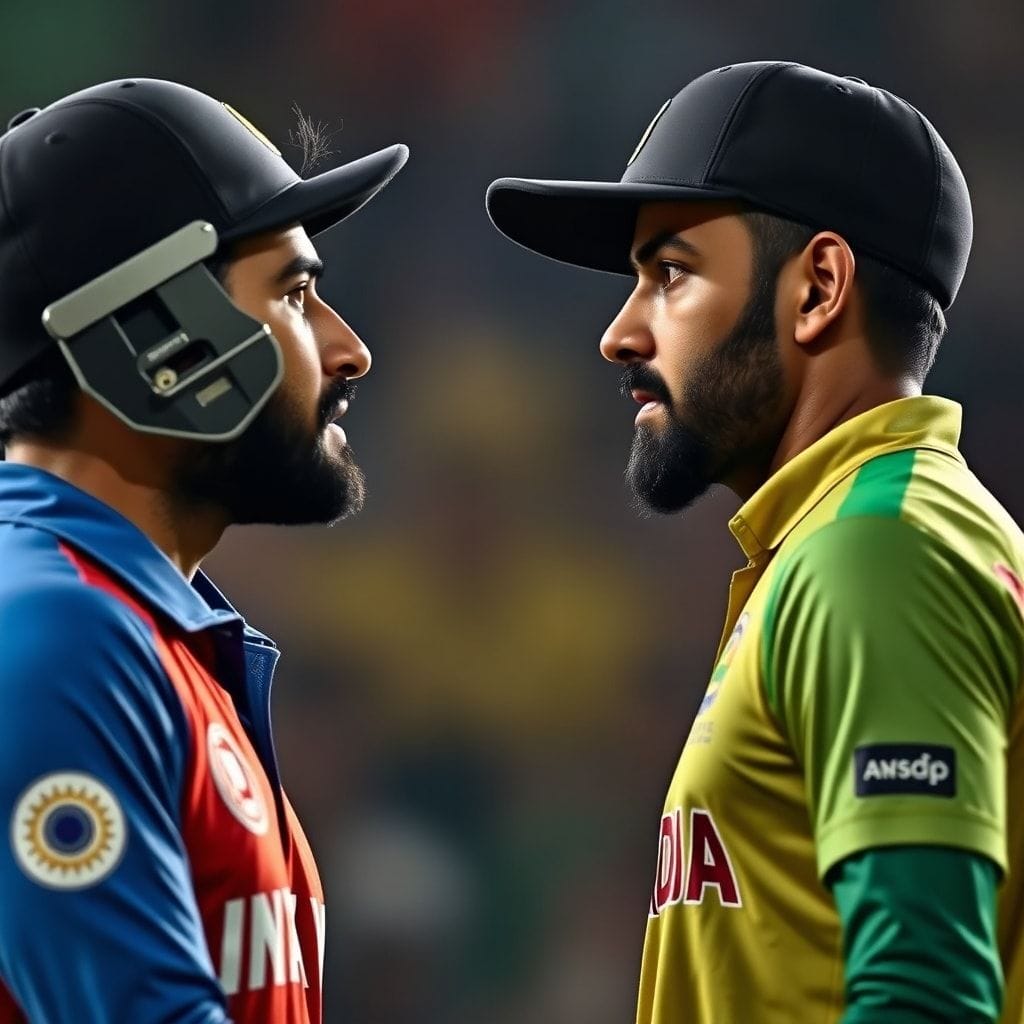
India vs Zimbabwe: Strategic Showdown at Chennai’s Spin-Friendly Pitch
The upcoming Super 8 Clash between India and Zimbabwe at the MA Chidambaram Stadium is more than a ticketed event; it is a litmus test for both teams’ tournament ambitions. With the defending champions looking to solidify their path to the semifinals and the Zimbabwe side hoping to repeat a miracle performance, every decision on the field carries weight.
The Stats Behind the Strategy
| Metric | India | Zimbabwe |
|---|---|---|
| Super 8 Runs per Over | 8.7 | 7.9 |
| Wickets Lost (Avg) | 1.4 | 2.1 |
| Boundaries per Innings | 12 | 9 |
| Spin Overs Bowled | 6 | 5 |
| Successful Duckworth‑Lewis Targets | 3/3 | 2/3 |
These numbers highlight why the pitch at Chennai becomes a decisive factor. The higher boundary count for India reflects their reliance on power‑hitting, while Zimbabwe’s tighter wicket average signals a disciplined chase strategy.
Team decisions start with the toss. If India wins, they are likely to field first, exploiting the evening breeze that usually eases the outfield, allowing the ball to roll faster to the boundary. That same breeze can help bowlers swing the new ball at the start of the innings.
Should Zimbabwe win the toss, their captain Sikandar Raza may elect to bat, trusting the spin‑friendly surface to grind down the chase. The Chidambaram track traditionally offers turn after the 10th over, a factor that suits Raza’s own off‑spin and the leg‑spin of Blessing Muzarabani.
From a tactical standpoint, India’s blend of youth and experience offers flexibility. Suryakumar Yadav, fresh after a series of inventive shots in the group stages, can accelerate the innings if a slow start is sensed. Meanwhile, the all‑rounder Hardik Pandya presents a dual threat: a late surge with the bat and a yorker‑centric death‑over spell.
On the Zimbabwe side, the seasoned Raza will likely anchor the innings, rotating the strike while waiting for a partner like Craig Ervine to unlock the boundary fence. Their bowlers, especially the left‑arm pacer Tendai Chatara, thrive on the slightly abrasive red soil that grips the ball, generating seam movement that can trouble Indian top‑order batsmen.
Player mindsets reveal a subtle narrative. India’s youngsters—Abhishek Sharma and Tilak Varma—have spoken about treating the match as a stepping stone rather than a pressure cooker. Their calm approach could translate into a fluid start, setting a platform for the big hitters in the middle order.
Zimbabwe, on the other hand, embrace the underdog tag. After top‑ranking Australia in the group stage, their confidence is visible in the aggressive field placements they employed—deep square leg and a short‑midwicket to tempt mistimed pulls from the Indian side.
Impact on the tournament is clear. A win for India locks them into the top two of Super 8 Group 1, guaranteeing a semifinal berth without relying on net‑run rate. A loss, would hand the group to either Zimbabwe or England, turning the next match into a must‑win scenario for India.
For Zimbabwe, beating the hosts would catapult them into the knockout conversation, potentially reshaping the semifinal lineup. Even a narrow defeat could still see them advancing if the other results swing in their favor, thanks to their superior run‑rate earned in the group phase.
Fans across the subcontinent are already tweeting ticket enthusiasm, with the M‑ticket system prompting discussions about queue timings and digital entries. The price range from INR 1,000 to INR 10,000 reflects both the stadium’s capacity and the high demand for a historic showdown.
From a spectator’s perspective, the atmosphere at the Marina Ground—known for its vibrant local crowd—adds an extra layer of excitement. The chanting of “Bleed Blue” mixes with the rhythmic drums that often accompany Zimbabwean supporters, making for a multicultural sonic tapestry.
Looking ahead, the result of this clash will dictate the strategic roadmaps for both camps. If India secures a comfortable win, they may rest a senior bowler like Bumrah for the semifinal, preserving his fitness for the final. Conversely, a tight game could force them to keep their spearhead on the field, risking fatigue.
Zimbabwe’s game plan if victorious would involve riding the momentum into the next round, perhaps fielding an extra spinner to exploit the spin‑friendly conditions that have already paid dividends. Their coaching staff will likely emphasise aggressive fielding to convert half‑chances into wickets—a pattern that served them well against Australia.
In the end, the Super 8 face‑off is a micro‑cosm of the wider T20 World Cup narrative: tradition confronting resurgence, experience balancing youthful exuberance, and a single venue dictating the ebb and flow of a global contest.
Cricket Desk: Want more on ICC Men's T20 World Cup? Check out our ICC Men's T20 World Cup Latest News & Stats.