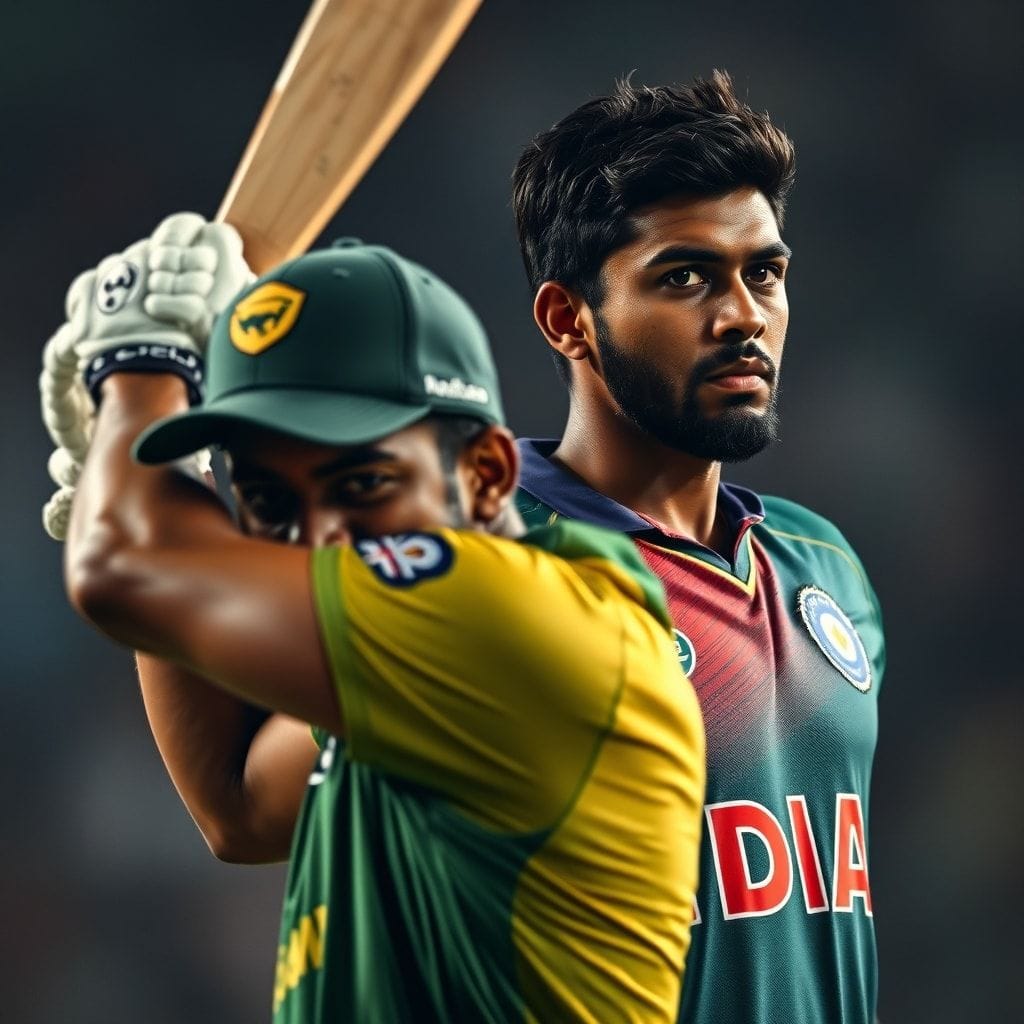
South Africa Crushes India by 76 Runs in T20 World Cup Showdown
South Africa demolished India by 76 runs in the Super 8 clash of the 2026 T20 World Cup at the Narendra Modi Stadium. The Proteas chose to bat first, posted a massive 187‑7, and then wrapped up India for 111 in less than 19 overs. The result reshapes Group 1 and raises fresh questions about India’s selection and strategy.
The Stats Behind the Strategy
| Metric | South Africa | India |
|---|---|---|
| First‑innings total | 187/7 (20 overs) | 111/10 (18.5 overs) |
| Run rate (batting) | 9.35 runs per over | 5.96 runs per over |
| Top scorer | David Miller – 63 (35) | Shivam Dube – 42 (37) |
| Best bowler (econ) | Marco Jansen – 4/22 (3.5 overs) | Jasprit Bumrah – 3/15 (4 overs) |
| Middle‑order wickets | Keshav Maharaj – 3/24 (3 overs) | None – all lost to top order |
Looking at the numbers, the Proteas leveraged a high‑impact top‑order partnership between Miller and Stubbs to push the required run rate past 9. The final overs saw a steady flow of boundaries that left little room for India’s bowlers. In response, India’s death‑overs attack struggled; Hardik Pandya’s 0/45 highlighted a lack of control at the back end.
Game‑plan and Tactical Choices
Electing to bat first at a venue that offers a true bounce and a short outfield was a textbook move. The Narendra Modi pitch, though expansive, tends to reward power hitters who can clear the shallow fence. South Africa’s decision to open with de Kock and Markram gave them a safe start, but early wickets forced a recalibration. The turning point arrived when Dewald Brevis carved a quick 45, shifting the momentum away from the early setbacks.
Coach Rahul Dravid’s field placements aimed to cut off the leg‑side boundary, a plan that backfired as Miller found the edge of the carpet and dispatched three sixes in the space between mid‑wicket and long‑on. The South African bowlers, on the other hand, executed a clear plan: bowl a tight line, use variations in the first half, and unleash pace in the death overs.
Marco Jansen’s 4/22 was built on a combination of seam movement and a well‑timed bouncer that forced the Indian top order onto the back foot. Keshav Maharaj’s spinner, exploiting the low‑bounce sections of the surface, turned the middle order into a revolving door. The use of a left‑arm orthodox spinner after the top order had been dismantled was a strategic masterstroke, as it targeted the predominantly right‑handed Indian line‑up.
Player Mindsets and Roles
David Miller entered the innings knowing his reputation as a finisher. He treated the early wickets as an invitation to accelerate, taking calculated risks that paid off. Miller’s shot selection—a mix of lofted drives and powerful pulls—reflected confidence in the pitch’s bounce.
Tristan Stubbs embraced an aggressive “go‑big‑or‑go‑home” mindset, attacking from ball one and delivering 44 in just 24 balls. Their partnership illustrated a shared belief that the total needed to be well above 170 to cushion the chase.
For India, the early dismissals of Ishan Kishan and Tilak Varma set a tone of panic. The middle order, led by Suryakumar Yadav, attempted to rebuild but faced relentless pressure from the seam attack. Hardik Pandya’s inability to find the rhythm at the crease mirrored the larger issues of a chase that demanded a 10‑run‑per‑over sprint from the outset.
Impact on the Tournament and What Comes Next
The 76‑run victory catapults South Africa to the top of Group 1, giving them a clear path to the knockout stage. Their net run‑rate now sits comfortably ahead of rivals, meaning even a modest win in the final group game could seal qualification.
India, meanwhile, faces a must‑win scenario against the next opponent. The loss has dented their net run‑rate significantly, and selection debates are already surfacing. Fans have questioned the exclusion of all‑rounder Axar Patel, a decision that now appears short‑sighted given the spin‑friendly nature of several upcoming venues.
Looking ahead, the Proteas will likely retain the same batting order, trusting the Miller‑Stubbs partnership to anchor any chase. Their bowlers may tweak the mix of pace and spin depending on the next pitch, but the core strategy of aggressive early overs followed by disciplined death bowling seems set to continue.
Fans’ Voices and Grounded Opinions
Social media lit up with mixed reactions. South African supporters hailed the performance as a manifesto of intent, praising Miller’s calm under pressure. Indian fans expressed disappointment, with many pointing to the early wicket of Kishan as a turning point that exposed frailties in the top order.
Critics also highlighted the selection gamble of leaving out a proven death‑over bowler, suggesting that the balance between experience and youth tipped too far toward the latter. Yet, some commentators praised the aggressive approach, noting that in a knockout‑style tournament, a single dominant win can shift momentum dramatically.
the match reinforced the unpredictable nature of T20 cricket: a few overs can rewrite the narrative, and mental resilience often decides the winner as much as skill.
Cricket Desk: Want more on Colombo Cricket Analysis? Check out our Colombo Cricket Analysis Latest News & Stats.