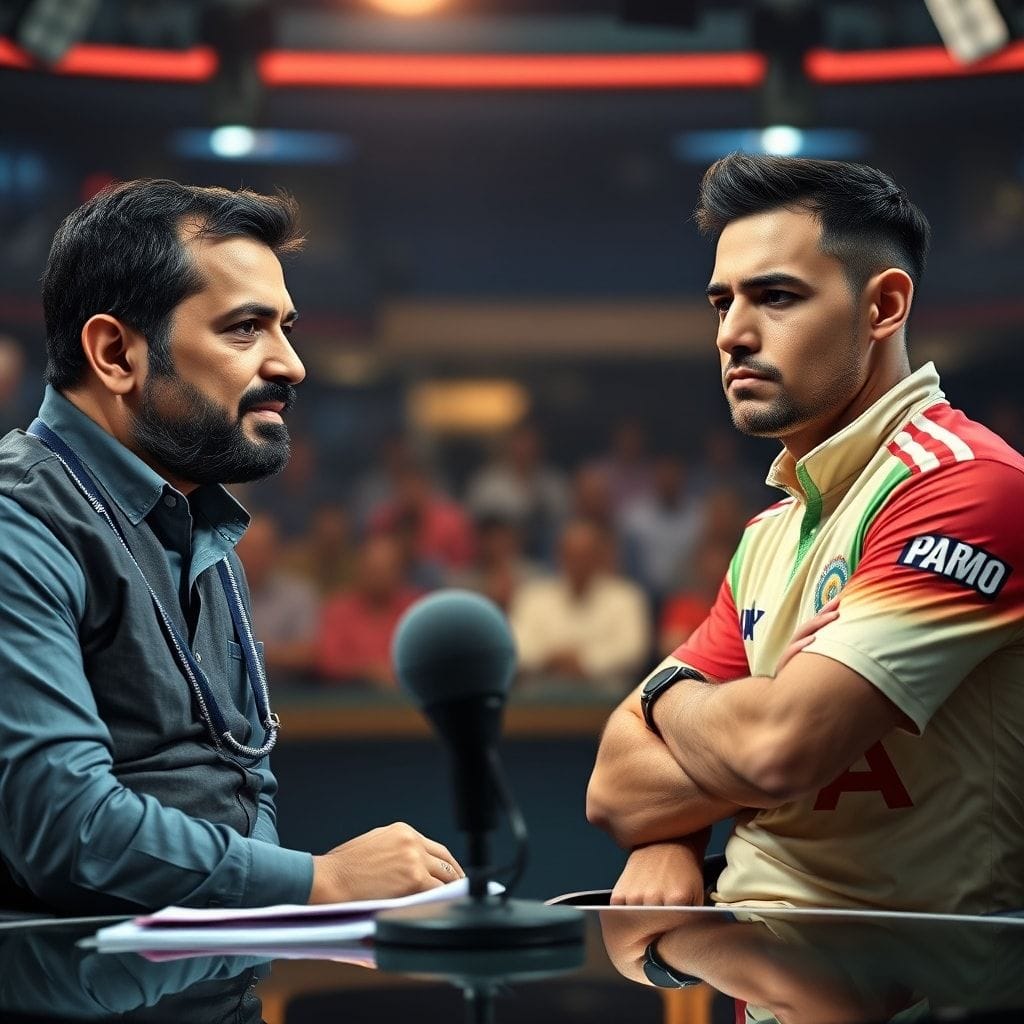
India vs Pakistan Clash Shakes T20 World Cup: Tactical Breakdown and Fan Fallout
The clash between India and Pakistan at the R. Premadasa Stadium in Colombo sparked more than a cricketing contest; it ignited a wave of raw emotion across two nations. A 61-run demolition by India not only reshaped Group A standings but also sent a shocking ripple through the streets of Pakistan, where fans turned their disappointment into a physical outburst.
Tactical Blueprint on the Colombo Pitch
Colombo’s surface is known for a low-bounce, turn-friendly rhythm that rewards disciplined bowling and aggressive batting in the middle overs. India’s decision to open with a left-arm seamer was a clear nod to that nuance, aiming to clamp down on early scoring while keeping the ball swing-friendly in the damp evening air. The move paid off as the first over produced a wicket, setting a tone that Pakistan never recovered from.
The Stats Behind the Strategy
| Metric | India | Pakistan |
|---|---|---|
| Runs (First 10 overs) | 95/0 | 38/4 |
| Boundaries (Fours & Sixes) | 12 fours, 11 sixes | 8 fours, 2 sixes |
| Wickets taken by spin | 3 (Chakravarthy 1, Kuldeep 2) | 2 (Chakravarthy 1, Varma 1) |
| Economy rate of pacers | 6.2 runs per over | 9.8 runs per over |
The numbers tell a simple story: India seized the powerplay, built a platform with relentless hitting, then let spinners tighten the chase. Pakistan’s middle order never found footing, and the bowlers could not stall India’s momentum.
Why the Decisions Made Sense
India’s captain elected to keep Ishan Kishan at the top after a shaky start at the crease because Kishan’s strike-rate had surged in the tournament. The plan was to let his aggressive intent dictate the tempo, and it worked – his 77 off 40 balls forced Pakistan into a defensive mindset before they even saw a ball. Meanwhile, Pakistan’s gamble on Saim Ayub as a shock bowler backfired; his 3/25 was respectable, yet the lack of a second-line spinner to complement Varun Chakravarthy left the middle overs vulnerable.
Player Mindsets in Colombo’s Heat
For Kishan, the innings was a statement of intent. Knowing the weight of an India-Pakistan encounter, he chose to attack the ball early, converting any loose delivery into a boundary. His confidence was evident, his footwork crisp on the grass that often slows under the tropical sun.
Babar Azam, usually the rock of Pakistan’s batting, appeared under pressure. Coming in at 38/4, he tried to anchor but was outfoxed by Axar Patel’s subtle variations. The quick dismissal destabilised the young middle order, exposing a gap in the team’s ability to handle high-pressure chase scenarios.
Group A Ripple Effects
India’s victory secured a direct path to the Super Eight stage, allowing them to rest a key bowler for the next match. Pakistan, on the other hand, now faces a must-win against a lower-ranked side to stay alive. The loss also amplifies scrutiny on Pakistan’s selection committee, especially regarding the balance between pace and spin on sub-continental pitches.
Fan Reaction – From Stadium Roars to Street Rage
Inside the stadium, Indian fans celebrated with chants, while Pakistani supporters displayed a somber silence that soon turned volatile. The footage of a broken television in Lahore captured a collective frustration that goes beyond sport; it mirrors a deep-seated expectation of victory against their arch-rival. Such actions, while condemnable, underline how tightly cricket is woven into national identity.
In quieter corners, many Pakistani fans expressed disappointment on social media, calling for tactical introspection rather than vandalism. The split reaction showcases a fan base that is both passionate and reflective, yearning for a turnaround that begins on the field.
What Lies Ahead
India will likely stick with the aggressive top-order formula, using Kishan’s momentum to anchor their batting in the next group game. Pakistan must reassess their middle-order strategy, perhaps promoting a more experienced batsman to steady the chase. The next fixture will test whether Pakistan can adapt quickly enough to keep their World Cup hopes alive.
For the broader tournament, this match rivalry games can tilt group dynamics dramatically. Teams that manage pressure and exploit venue nuances, like Colombo’s turn-friendly pitch, will gain a decisive edge as the World Cup progresses.
Explore more: Tactical Breakdown: Cricket Match Strategy Explained
Cricket Desk: Want more on Babar Azam? Check out our Babar Azam Latest News & Stats.