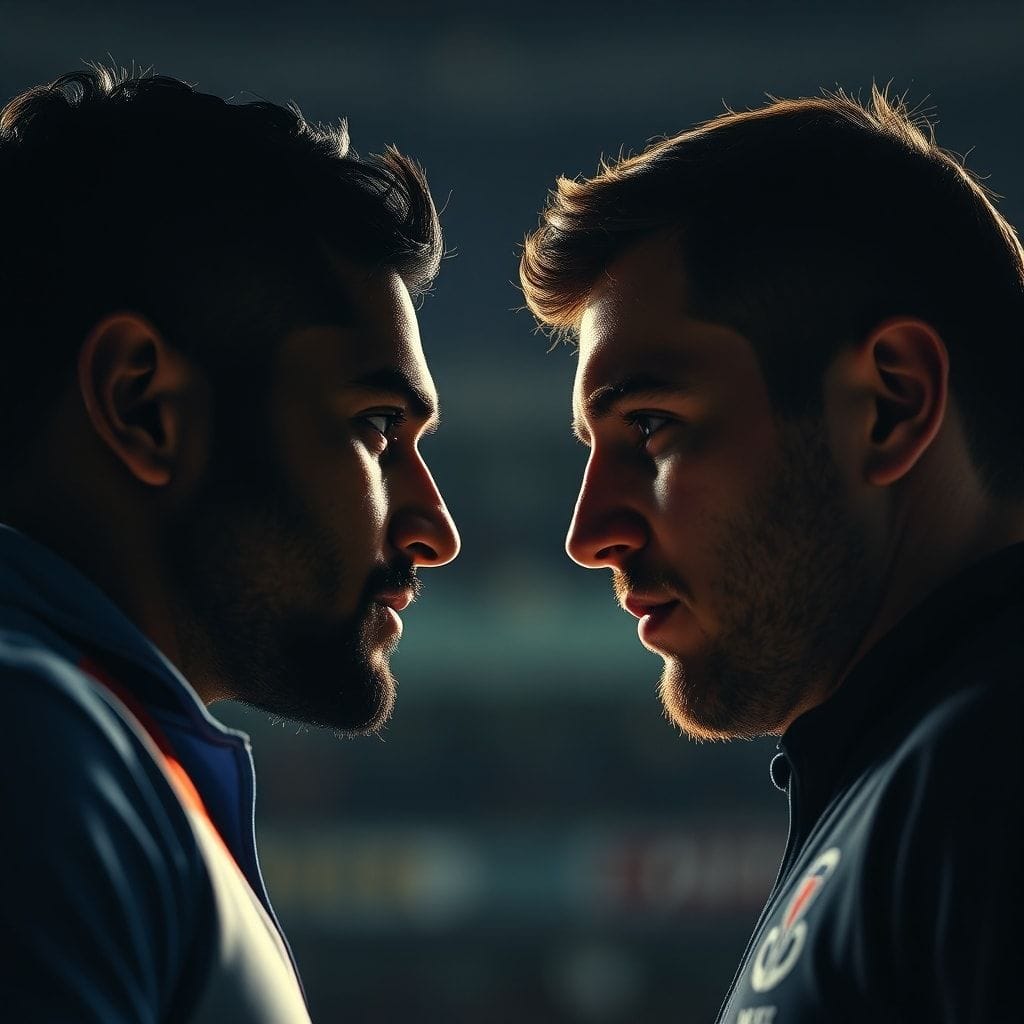
Tactical Showdown: India vs New Zealand T20 World Cup Final Preview
New Zealand captain Mitchell Santner has set the tone ahead of the T20 World Cup 2026 final, vowing to quiet the roaring crowd at Ahmedabad’s Narendra Modi Stadium. The statement adds a layer of intrigue to a clash that already feels like a classic showdown between two well‑balanced sides.
Match context and the road to the final
India entered the final as defending champions, guided by the aggressive instincts of Suryakumar Yadav. Their journey was marked by a series of high‑pressure chases and a bowl‑off that kept opponents guessing. New Zealand, on the other hand, relied on disciplined field placements and a measured batting approach, qualities that helped them scrape past England and South Africa in narrow encounters.
Tactical analysis and team decisions
Both captains have signalled distinct game plans. Yadav prefers to let the power‑play set the tempo, using the first six overs to unleash his top order – Suryakumar, Shubman Gill and the left‑handed Ruturaj Gaikwad. The idea is to force the Black Caps into a defensive mindset early.
Santner’s blueprint is to reverse that script. He intends to keep the scoreboard modest for the first ten deliveries, then use his spin trio – himself, Ish Sodhi and Michael Bracewell – to pinch wickets when the Indians accelerate. In the middle overs, New Zealand will lean on the steady hands of Finn Allen and Mark Chapman, both comfortable playing the 30‑run‑a‑over stretch on a ground that favours a low bounce.
The Stats Behind the Strategy
| Metric | India | New Zealand |
|---|---|---|
| Avg. 1st‑10‑over score (last 5 matches) | 78 | 62 |
| SR in powerplay (runs per 100 balls) | 145 | 132 |
| Wickets taken by spinners (tournament) | 12 | 16 |
| Boundary percentage at Narendra Modi | 46% | 41% |
| Average chase target defended | 172 | 168 |
The numbers highlight a clear advantage for India in the opening burst, yet New Zealand’s spin force has taken more wickets overall. The boundary data suggests the Indian side will find the fence a touch easier, a factor that could tip the scales if the Black Caps manage to keep the run rate in check during the middle overs.
Player roles and mindset
Mitchell Santner is not just a bowler; his left‑arm orthodox spin thrives on the slower, turned track that Narendra Modi often produces under lights. He has a reputation for turning games with a single over, a skill he displayed against England when he claimed three wickets in a tight spell.
For India, the key will be Suryakumar’s ability to rotate the strike while still reaching the boundary. His mindset appears to be about staying calm under the weight of expectation, a contrast to the nervous energy that sometimes creeps in when a home crowd roars.
New Zealand’s lower middle order, especially Finn Allen, is tasked with the finish. Allen’s experience on sub‑continental pitches, notably his innings in Colombo where he paced a chase at 9.3 runs per over, should come in handy on a pitch that can slow down after the 12‑over mark.
Venue‑specific nuances
Ahmedabad’s Narendra Modi Stadium is famous for its flat tracks that turn into slower surfaces as the game progresses. The moisture in the outfield often helps spinners grip, which aligns with Santner’s plan to unleash his arsenal after the powerplay. The stadium’s short boundaries on the square leg side also reward batsmen who can find the gaps, a factor India will try to exploit.
Tournament impact and what comes next
Should New Zealand pull off an upset, it would be their second T20 World Cup trophy, cementing their reputation as a team that thrives under pressure. For India, a win would mark the first successful defense of a T20 title on home soil, boosting the morale of a side that missed out on the 2023 ODI final.
Beyond the trophy, the outcome will shape the strategies of other contenders in the upcoming World Cup cycle. Teams will analyze how quickly a side can recover from a slow start and how spin can dominate a high‑scoring tournament.
Fan perspective and grounded opinions
Indian supporters have already begun painting banners with slogans about defending the crown. Many feel a palpable tension, recalling the 2023 ODI final where the crowd’s roar turned into a roar of disappointment.
New Zealand fans, scattered across the globe, appear confident in the mental toughness their team has displayed. The common thread among both sets of supporters is a belief that a few decisive moments will write the final chapter.
In the end, cricket is a game of fine margins. Whether it’s a dot ball in the death overs or a well‑timed yorker, the side that capitalises on those moments will walk away with the glittering trophy.
Cricket Desk: Want more on 2026 T20 World Cup? Check out our 2026 T20 World Cup Latest News & Stats.