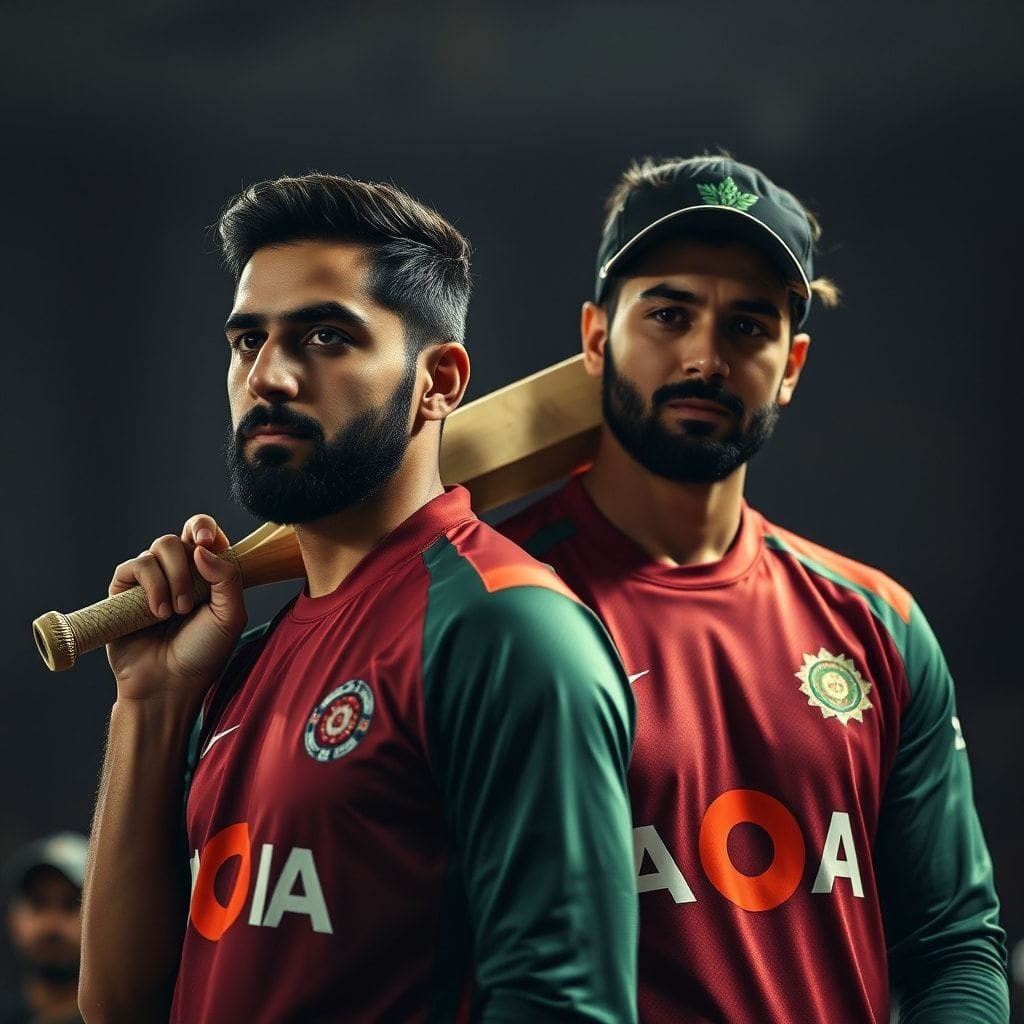
The Dead Ball Debate: Tactical Nuances from India vs Namibia Clash
The Group A clash between India and Namibia at Arun Jaitley Stadium turned heads not just for the result but for a dead‑ball call that sparked a brief but heated debate. Umpire Rod Tucker’s decision to declare a delivery from Namibia captain Gerhard Erasmus a dead ball highlighted the fine line between legality and fairness in modern T20 bowling.
Beyond the controversy, the match offered a masterclass in how a small associate nation can leverage surprise tactics against a world‑beating side. Namibia’s 92‑run defeat masked a spell from Erasmus that will be talked about in T20 World Cup circles for years.
The Stats Behind the Strategy
| Metric | India | Namibia |
|---|---|---|
| Runs Scored | 210/3 (19 overs) | 116/7 (18.2 overs) |
| Run Rate | 11.05 | 6.33 |
| Boundaries (4s/6s) | 22/12 | 8/2 |
| Top Scorer | Suryakumar Yadav – 71 (27 balls) | Jan Nicol Loftie‑Hemson – 32 (19 balls) |
| Erasmus Bowling | 4/20 in 4 overs | – |
| Dead Ball Incidents | 0 | 1 (Erasmus’s fifth ball of over 8) |
The numbers tell a simple story: India’s firepower blew the match open, yet Erasmus’s 4 for 20 kept the chase within sight. That dead‑ball call stripped India of a potential extra run, but the real gain was psychological – Namibia saw a lifeline and Erasmus seized it.
Tactical Shifts and Team Decisions
India’s choice to bowl first after winning the toss was textbook – the pitch at Arun Jaitley usually offers a little extra bounce early on, and the conditions were clear for a pace‑heavy start. The plan was to sniff out any early cracks, but Namibia’s aggressive opening pair, Gerhard Erasmus and JJ Smit, cleared the 100‑run barrier in just seven overs.
When the dead‑ball incident erupted in the eighth over, the Indian camp could have breathed a sigh of relief. Instead, the wicket‑keeper and captain Virat Kohli encouraged a measured approach, letting the bowlers settle into their lengths while keeping the run‑rate in check.
Namibia’s response was equally deliberate. Erasmus, after the contentious call, adjusted his delivery stride slightly, staying just within the crease line but avoiding the Umpire’s line of sight. The tweak preserved his round‑arm sling while satisfying Tucker’s concerns – a subtle negotiation on the field that showed adaptive leadership.
Player Roles and Mindset
Gerhard Erasmus entered the match with a dual role: captain and frontline bowler. His round‑arm action, reminiscent of a left‑arm wrist spinner’s sling, is designed to generate extra bounce on hard surfaces. At Arun Jaitley, the pitch’s red‑soil mixture offers a firm bounce, allowing his delivery to skid low and surprise batsmen.
When Tucker called dead ball, Erasmus’s frustration was visible, but his composure after the incident revealed a seasoned mind. He bowled the next three overs with a slight modification – a higher arm pocket and a wider release point – yet retained his core speed of 138 km/h. The result: four wickets for just twenty runs, dismantling India’s middle order.
On the Indian side, Hardik Pandya’s all‑round heroics stood out. After a slow start, Pandya accelerated the chase with a six‑run over, then contributed with the ball, delivering a tight over that limited Namibia to 6.6 runs per over. His adaptability exemplifies the modern T20 all‑rounder’s value.
Tournament Impact and What Comes Next
India’s win secures a comfortable position in the Super 12s, but the margin of victory – 92 runs – is less important than the lessons learned. The dead‑ball controversy reminded teams that umpire discretion can sway momentum, especially when unconventional actions are involved.
Namibia, despite the loss, earned a morale boost. Erasmus’s spell thrust them into the conversation as a team capable of unsettling the top‑ranked sides. Their next group match against Sri Lanka will test whether they can replicate the same intensity.
For the tournament’s broader narrative, the incident may influence future ICC guidelines. The MCC laws allow umpires to intervene on “unfair” deliveries, but a clearer definition could help avoid similar flashpoints.
Fan Perspective and Grounded Opinions
Social media lit up with split opinions. Some supporters argued Tucker overstepped, citing previous matches where Erasmus’s action went unpunished. Others defended the umpire, noting that the delivery’s trajectory briefly crossed the umpire’s line of vision, a classic dead‑ball trigger.
From the crowd’s viewpoint, the drama added an unexpected layer to an already thrilling match. The roar after Erasmus’s wicket haul eclipsed the brief boos that followed the dead‑ball call. In the end, fans appreciated the skill on display rather than the controversy.
Looking ahead, the next fixtures will decide if India can keep their aggressive intent alive, while Namibia’s resolve will be measured against stronger opponents. One thing is clear: the dead‑ball episode will be referenced when discussing the balance between innovation and regulation in T20 cricket.
Cricket Desk: Want more on Associate cricket strategy? Check out our Associate cricket strategy Latest News & Stats.