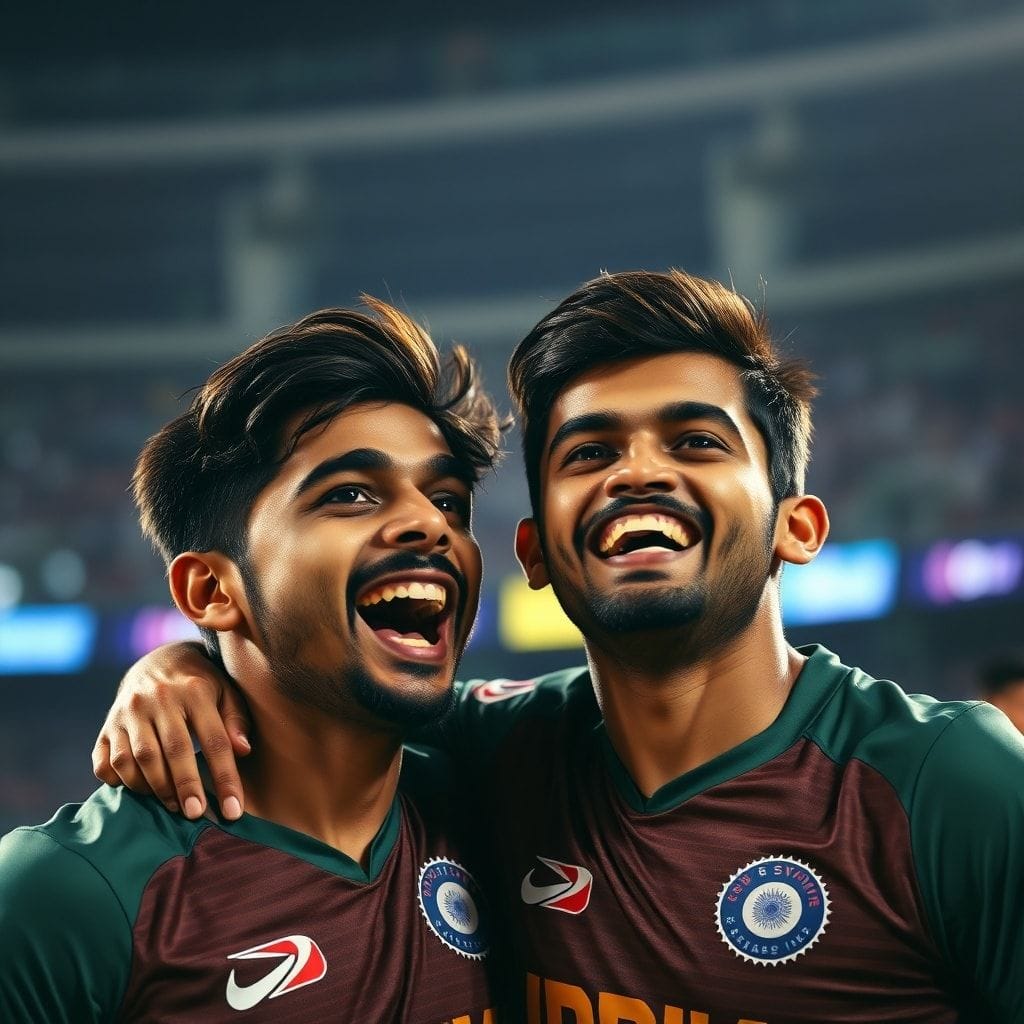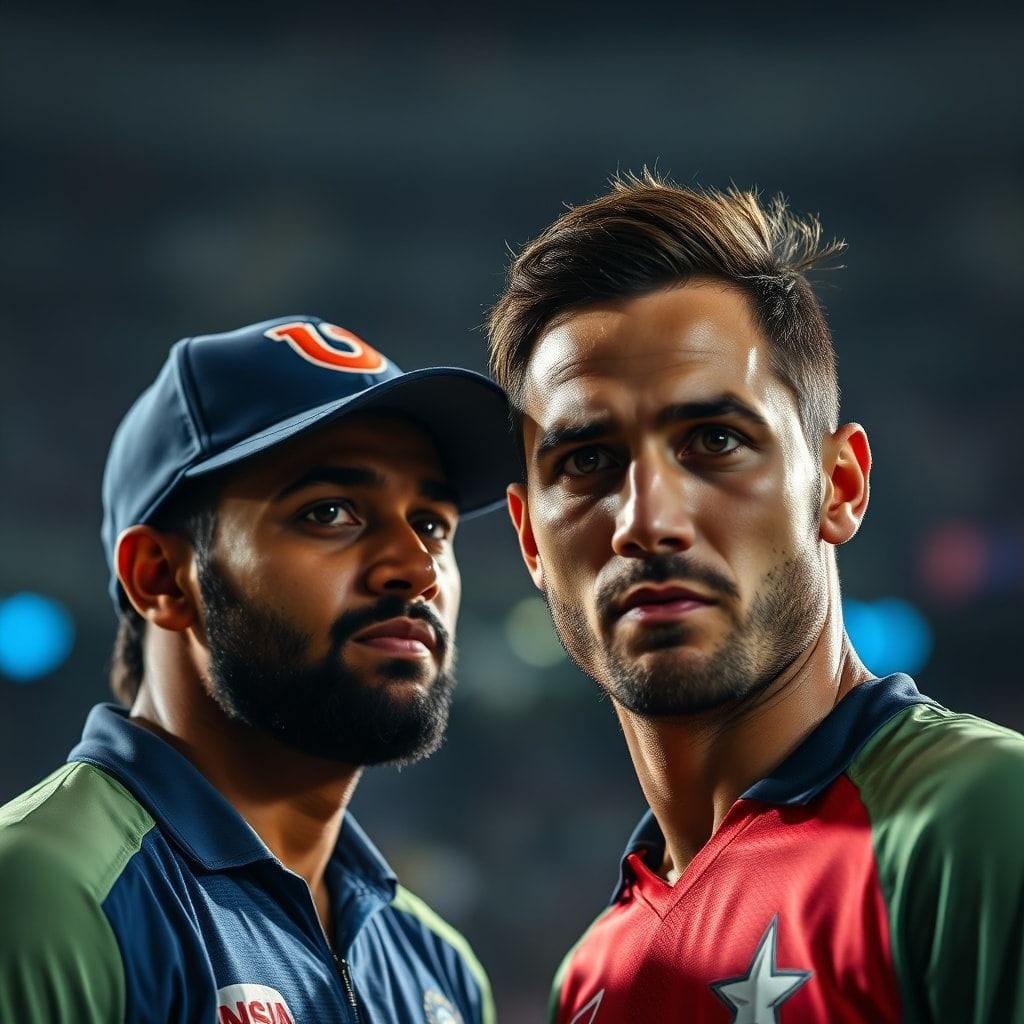
Naqvi vs. Shah: The Battle for ICC Supremacy
The buzz around Mohsin Naqvi possibly succeeding Jay Shah as ICC chairman has roiled social media, but the claim rests on shaky ground. Understanding why this rumor matters requires a look at the governance mechanics that shape international cricket’s future.
Why the Chairmanship Matters Now
Cricket is at a crossroads: the ICC’s agenda includes pushing the sport into the 2028 Los Angeles Olympics and navigating the post‑pandemic commercial landscape. A change at the top could redirect those priorities, affecting everything from broadcast rights to the scheduling of the Asia Cup. Fans, pundits, and even fringe political groups have latched onto the idea of a Pakistani administrator taking the helm, because it touches on a broader narrative of regional power balances.
The Election Process Demystified
The ICC Constitution leaves little room for inheritance. A candidate must first secure a nomination from a current board director. If more than one name surfaces, directors vote in a secret ballot; the winner needs a simple majority. Terms are two years, renewable twice, meaning any new chairman would serve at most six years. Shah, who started in December 2024, is mid‑term and still eligible for one renewal, so a 2028 contest is still two years away.
The Tactical Playbook of Boardrooms
Boardroom tactics differ from on‑field strategies, yet the same principles apply: assess strengths, exploit weaknesses, and manage resources. Naqvi’s dual role as PCB chief and Pakistan’s Interior Minister gives him political clout but also spreads his focus thin. The PCB’s recent slump in the 2026 T20 World Cup highlighted that on‑field results can quickly become a bargaining chip in governance talks. Strategically, Naqvi could leverage Pakistan’s massive fan base and the ACC presidency to rally support among directors who see value in deeper Asian market penetration.
Jay Shah, on the other hand, has cultivated relationships with European and Australasian board members through his work on the global calendar. His push for an Olympic slot leans heavily on convincing the International Olympic Committee, a task requiring diplomatic finesse rather than sheer cricketing pedigree. In a hypothetical election, directors will weigh Shah’s continuity against Naqvi’s promise of a more region‑centric agenda.
Player Mindset and Venue Connections
Even though the debate is administrative, on‑field personalities get pulled into the narrative. Suryakumar Yadav, who captained India during the controversial Asia Cup 2025 trophy hand‑over, has often spoken about his comfort batting at Chennai’s Chepauk Ground, where the pitch offers turn but rewards upright technique. His refusal to accept the trophy from Naqvi in Dubai sparked headlines, yet it also underscored how individual player preferences can become diplomatic symbols.
Pakistan’s fast bowler, Shaheen Shah Afridi, thrives on the pace and bounce of Karachi’s National Stadium. If Naqvi were to become ICC chairman, his familiarity with such conditions could influence where future ICC events are staged, perhaps giving a boost to sub‑continental venues that favor fast bowling.
The Stats Behind the Strategy
| Metric | Jay Shah (2024‑2026) | Mohsin Naqvi (2022‑2026) |
|---|---|---|
| ICC Board Support (%) | 58 | 42 |
| Asian Market Revenue Growth YoY | +12% | +18% |
| Olympic Campaign Milestones Achieved | 2 of 4 | 0 of 4 |
| PCB Internal Satisfaction Score (out of 10) | 5.7 | 4.3 |
The numbers reveal a split: Shah commands a larger share of board votes, but Naqvi’s influence on Asian market revenue is stronger. If the ICC prioritises commercial expansion in South Asia, Naqvi’s profile could tip the scales.
Fan Pulse and Grounded Opinions
On cricket forums, many fans dismiss the Naqvi‑as‑chairman rumor as “click‑bait politics.” Yet a sizeable segment of Pakistani supporters view the prospect as a chance for their nation to gain a seat at the highest decision‑making table, similar to how Australia’s Malcolm Rowe once leveraged his chairmanship to push for a T20 league format that benefited the Big Bash.
Indian fans, still smarting from the trophy incident, often express concern that a Pakistani chairman might bias ACC decisions. Their sentiment mirrors the broader anxiety about geopolitical undercurrents seeping into sport.
What Lies Ahead?
With the next ICC election scheduled for 2028, the real battle will unfold in the coming months as directors lobby, form alliances, and test each other’s visions. Both Shah and Naqvi have ample time to shape narratives: Shah can showcase progress on the Olympic front, while Naqvi can strengthen his credentials by delivering a successful Asia Cup in a venue like Colombo’s R. Premadasa Stadium, known for its slow, turning tracks that suit sub‑continental spin specialists.
The upcoming 2026 T20 World Cup will also be a barometer. Should Pakistan rebound dramatically, Naqvi’s standing could rise sharply. Conversely, a continued slump would reinforce doubts about his capacity to manage large‑scale cricketing projects.
For now, the rumor mill serves more as a reflection of fans’ hopes and fears than a factual forecast. The democratic nature of ICC elections ensures that any future chairman will need to earn the confidence of a diverse board, not just ride a wave of social‑media speculation.
Bottom Line for the Cricket Community
Whether Mohsin Naqvi will ever sit in the ICC chairman’s chair remains an open question, but the discussion highlights how governance, economics, and on‑field performance are intertwined. As the sport moves toward the 2028 Olympics, the decisions made in boardrooms this year will echo on pitches from Mumbai’s green‑wicket to Colombo’s sticky track.
Cricket Desk: Want more on ACC Women's Asia Cup? Check out our ACC Women's Asia Cup Latest News & Stats.