England’s Dent-Making Six: A Tactical Breakdown of the Super 8 Clash
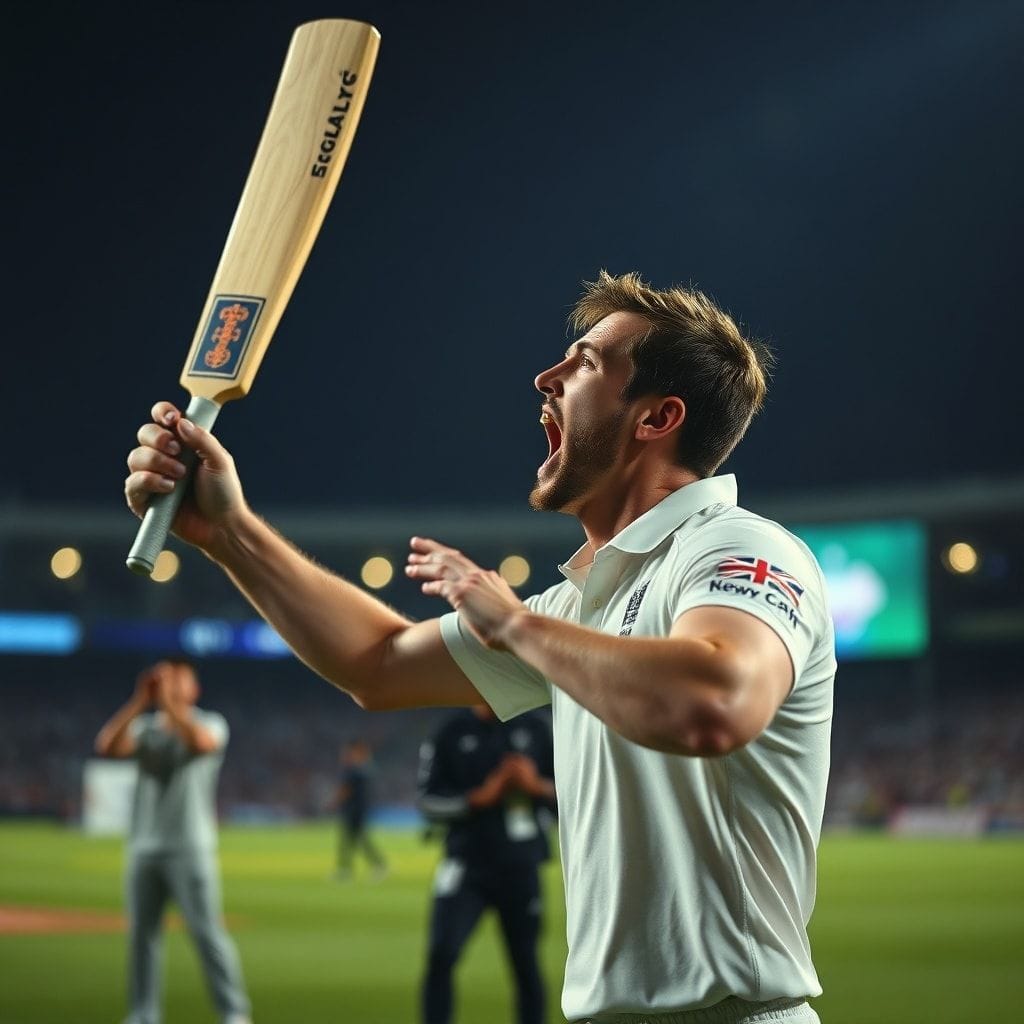
England edged New Zealand in a nail‑biting Super 8 clash at the R. Premadasa Stadium, and the night will be remembered for Harry Brook’s six that left a dent on the stadium’s huge screen. The moment captured the pressure of a World Cup chase and shifted the momentum at a crucial stage.
Brook’s audacious scoop didn’t just add runs; it announced England’s intent to seize control after early wickets. The dent on the screen turned a routine six into a visual headline, reminding everyone that T20 cricket still yields unforgettable spectacles.
The Stats Behind the Strategy
| Metric | England | New Zealand |
|---|---|---|
| Run rate after 5 overs | 7.8 | 8.2 |
| Wickets lost in powerplay | 2 | 1 |
| Top partnership (runs) | 48 (Brook‑Bethell) | 56 (Seifert‑Allen) |
| Boundary count (final 10 overs) | 22 | 18 |
| Bowling economy (middle overs) | 6.4 | 7.1 |
England’s middle‑overs economy dipped just enough to keep the chase alive, while Brook’s 26 off 24 kept the required rate steady. New Zealand’s early aggression produced a decent total of 169, yet the Black Caps’ death‑over acceleration stalled, allowing England to clinch the win with three balls to spare.
Match Context and Tactical Decisions
R. Premadasa’s pitch is known for its low bounce and a bit of seam movement early on, which suited fast bowlers. New Zealand’s captain opted to unleash Matt Henry in the first over, hoping to exploit the condition’s seam. Henry’s full delivery to Brook was meant to be a probing ball, but Brook’s decision to scoop it over square leg turned the plan upside down.
England’s early loss of both openers forced the team to rethink its chase approach. Instead of a cautious rebuild, captain Harry Brook announced an aggressive stance, pairing himself with the young all‑rounder Jacob Bethell. Their 48‑run stand blurred the line between recovery and dominance, allowing England to shift the required run rate back to a manageable figure.
On the New Zealand side, spinner Rachin Ravindra’s middle‑overs spell was critical. He extracted turn on a surface that had started to flatten, picking up key wickets and slowing England’s flow. The Black Caps also kept a tight field in the death overs, but a couple of boundary‑filled overs from the lower order saw England edge home.
Player Roles, Mindset, and Venue Links
Harry Brook, a left‑handed dynamo, thrives on high‑stakes moments. At this venue, the short square leg area is a known “six‑zone” due to the low fence and slope. Brook’s pre‑match practice in Colombo’s slow tracks likely gave him the confidence to pull off a scoop that would travel high and far.
Jacob Bethell, the youthful all‑rounder, often uses the slower bounce at R. Premadasa to his advantage, timing the ball late and accelerating over the leg side. His quick 30 + runs added crucial momentum after Brook’s six.
For New Zealand, Finn Allen’s natural aggression fits the early‑phase bounce at the venue, while Glenn Phillips’ calm stroke‑play suits the later phase when the pitch settles down. Their partnership of 56 runs set a respectable total, but the lack of a big hitter in the death overs left the Black Caps vulnerable.
Impact on the Tournament and What Lies Ahead
England’s win not only places them firmly in the Super 8 knockout picture but also sends a message to rivals: they can chase under pressure. The dent‑making six has already become a talking point across social media, boosting team morale and fan excitement.
New Zealand, despite the loss, still have a realistic chance to advance if they can secure a win in their remaining group game. Their bowlers showed resilience, especially Ravindra, who will be key in the next match to restrict opponents on similar low‑bounce pitches.
For England, the next challenge is a clash against a side that balances power hitting with disciplined bowling. Maintaining Brook’s aggressive mindset while ensuring the middle order backs him up will be vital. The bench strength, highlighted by players like Jofra Archer and Moeen Ali, offers flexibility for varying pitch conditions later in the tournament.
Fan Perspective and Grounded Opinions
The stadium’s roar after the dent was palpable. Fans on social platforms described the moment as “the most cinematic six of the World Cup”. Some critics argued that the six, while spectacular, was a gamble that could have backfired if caught. Yet most supporters praised Brook’s confidence, noting that his willingness to take risks early often sets the tone for England’s chase strategy.
On the New Zealand side, supporters expressed disappointment over the missed opportunity to contain Brook’s aggression. Many felt the decision to bowl a full, straight delivery to a left‑hander in the third over was a tactical oversight, especially given the venue’s history of rewarding creative shots.
the match reinforced the unpredictable nature of T20 cricket: a single shot can change the narrative, and the mental edge often matters more than raw numbers. As the World Cup moves into its knockout phase, the teams that blend calculated aggression with adaptability are likely to go the distance.
Cricket Desk: Want more on 2026 T20 World Cup? Check out our 2026 T20 World Cup Latest News & Stats.