Hardik Pandya’s Flag Controversy: Celebration or Overstep?
The piece looks at the legal trouble that landed on Hardik Pandya’s doorstep after the T20 World Cup triumph, and why the fallout matters for Indian Cricket’s off‑field image.
Match context and the celebration aftermath
India lifted the 2026 T20 World Cup at the Narendra Modi Stadium in Ahmedabad, a venue that has become synonymous with big moments in Indian cricket. The final was a roller‑coaster, with the hosts posting a total of 178‑7, propelled by Hardik Pandya’s late‑order blitz that saw him smash 45 runs off 19 balls. When the winning runs were struck, the team took to the stage draped in the tricolour, a ritual that has been part of every Indian victory ceremony for decades.
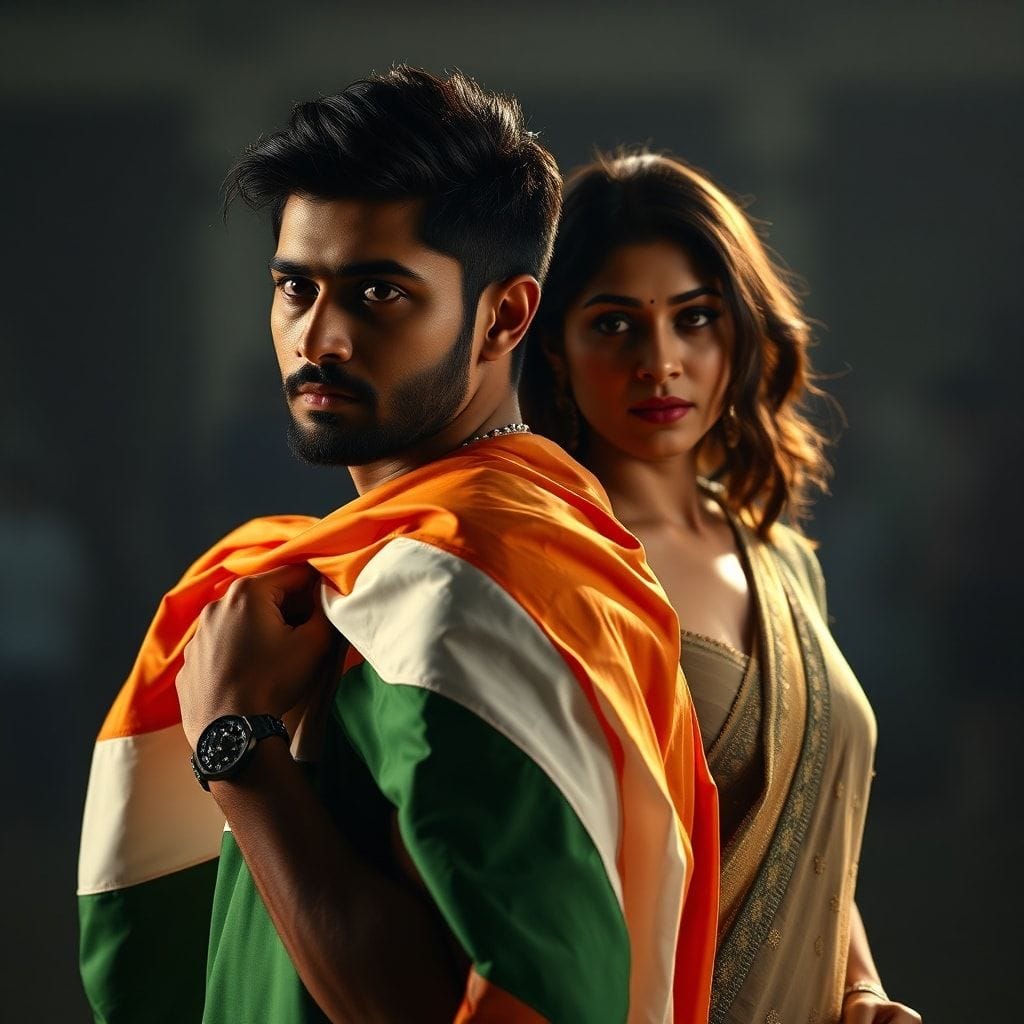
In the heat of the moment, Pandya was caught on camera sharing a light‑hearted hug with actress Mahieka Sharma, the partner he has been linked with for the past year. The clip went viral, and a Bengaluru lawyer filed a complaint alleging disrespect to the national flag. The legal paper cited Section 2 of the Prevention of Insults to National Honour Act, 1971, arguing that lying down on the flag‑covered stage crossed a line.
Tactical analysis and team decisions
Beyond the headlines, Pandya’s role in the final was the kind of all‑round impact that coaches dream about. After a solid 30‑run stand with Suryakumar Yadav, Pandya accelerated the scoring rate, targeting the third and fourth overs of the death spell. His ability to clear the deep boundary forced the opposition to deploy a fifth bowler, breaking their rhythm.
On the bowling side, Pandya delivered three crucial overs, bowling at 140 kph and picking up two wickets at a crucial juncture when the opposition needed 30 runs from the last eight balls. The captain’s decision to hand him the ball in the penultimate over reflected confidence in his death‑over skills, and it paid off.
India’s game plan for the final hinged on a high‑tempo chase, with the top order laying a platform and the lower order adding the finishing fireworks. Pandya’s strike‑rate of over 160 in the tournament made him the natural choice for the final push. The coaching staff also used his left‑arm angle to bring the ball back into the right‑handed batsmen, a subtle tactic that disrupted the opposition’s footwork.
Player mindset and the flag incident
For a player who has lived through several high‑pressure finals, the instinct to celebrate openly is almost reflexive. Pandya’s smile, his embrace with Sharma, and the way he draped the flag over his shoulders speak to a personal joy that blended with national pride. The legal complaint, while serious, also highlights the fine line athletes walk when personal moments intersect with public symbols.
From a psychological standpoint, the excitement can cloud the usual protocol. Hardik later mentioned in a post‑match interview that he ‘just wanted to soak in the moment with people close to him.’ That human element is why fans are split – some see a genuine celebration, others feel the flag deserves a more reserved handling.
The Stats Behind the Strategy
| Metric | Final | Career T20 Avg |
|---|---|---|
| Runs Scored | 45 (19 balls) | 22.4 |
| Strike Rate | 236.84 | 138.7 |
| Wickets | 2 | 0.7 |
| Economy | 8.00 | 7.5 |
| Boundary % (bat) | 70% | 55% |
The numbers show why the captain chose Pandya for the final overs. His boundary percentage in the final spiked to 70 %, a clear sign of his intent to finish the game quickly. The two wickets he took came with an economy that, while slightly above his career average, was acceptable given the high‑risk nature of death‑over bowling.
Venue‑specific links
Ahmedabad’s pitch is known for its true bounce and a short grass cover that assists seamers early on but flattens out in the second half, making it a batting‑friendly strip for the chase. Pandya’s experience on similar surfaces – think the Bengaluru Deccan stadium where the bounce is consistent – helped him time his lofted shots perfectly. Moreover, his left‑arm swing finds extra grip on the dry, hard surface of the Narendra Modi Stadium, allowing him to generate that late‑in‑the‑air movement that troubled the opposition.
Tournament impact and what’s next
The win cements India’s status as a T20 powerhouse, and Pandya’s all‑round display puts him in the conversation for future captaincy talks. The legal cloud, could become a distraction if it drags into the next series. Board officials have promised to handle the matter discreetly, but the public eye will stay fixed on how the story unfolds.
Looking ahead, the Indian squad now turns its focus to the upcoming bilateral series against England, where the same core group will be expected to replicate the winning formula. Pandya’s role may evolve – the coaching staff is already discussing giving him more overs in the powerplay to exploit the early swing on venues like Chennai’s Chepauk.
Fan perspective
On social media, the conversation is a mix of admiration and criticism. Many fans posted short clips of the celebration with captions like ‘Hardik’s joy is our joy,’ while others shared screenshots of the legal filing, urging respect for the flag. In the stands, everyday supporters recall similar celebrations from past tournaments and argue that the spirit of the moment should outweigh technicalities.
What remains clear is that Hardik Pandya has become a household name for both his on‑field heroics and his off‑field narrative. Whether the legal proceedings turn into a protracted case or dissolve quietly, the incident has added a new chapter to the story of a player who thrives on the edge of excitement.
Cricket Desk: Want more on 2026 T20 World Cup? Check out our 2026 T20 World Cup Latest News & Stats.