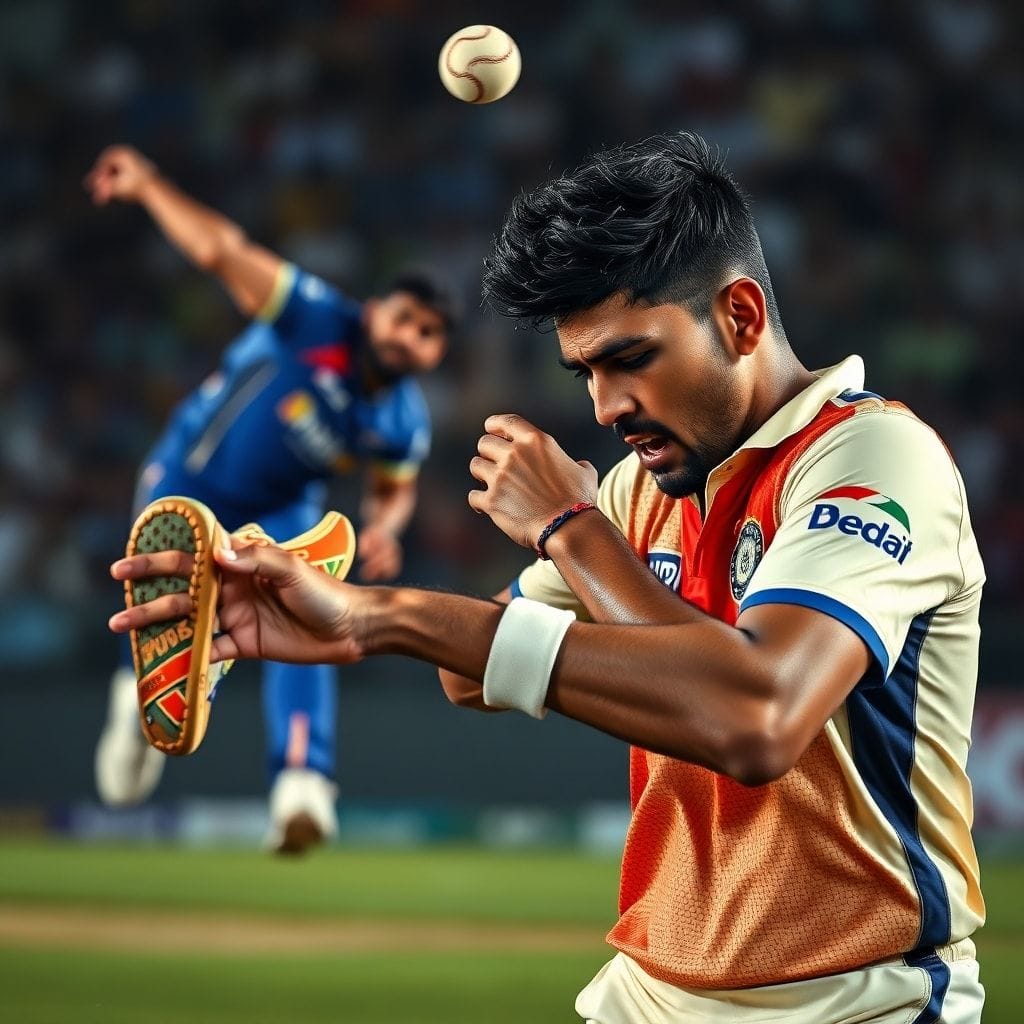
Gambhir Fires Back at Azad Over Temple Visit Controversy After T20 World Cup Win
India’s triumphant T20 World Cup 2026 campaign took a cultural turn when the team visited a local temple after their victory in Ahmedabad. While many celebrated the gesture as a mark of gratitude, former cricketer Kirti Azad raised concerns. In response, coach Gautam Gambhir defended the visit, emphasizing unity and tradition.
The final against New Zealand was a masterclass in adaptability and planning. India’s strategic shifts, from batting order changes to sharp bowling spells, paved the way for a memorable win. But the post-match temple visit stirred debate across platforms and press rooms alike.
The Stats Behind the Strategy
| Aspect | India | New Zealand |
|---|---|---|
| Batting strike rate (runs per 100 balls) | 138.5 | 132.1 |
| Key wicket‑takers (wickets) | Jasprit Bumrah (3) | Tim Southee (2) |
| Economy in Powerplay (runs per over) | 6.2 | 7.4 |
| Runs scored in last 10 overs | 78 | 64 |
Bumrah’s disciplined death bowling and SKY’s explosive start set the tone. India’s ability to accelerate in the final overs proved decisive, as New Zealand failed to match the hosts’ intensity.
Match Context and Tactical Nuances
Following a tough loss to South Africa earlier in the tournament, India’s management revisited their approach. Gambhir’s decision to open with Suryakumar Yadav paid immediate dividends, stretching the field and enabling quicker scoring.
New Zealand stuck to a traditional setup but lacked answers to India’s aggressive start. Their bowlers, used to seam-friendly surfaces back home, struggled on Ahmedabad’s drier track.
Player Roles and Mindset
SKY’s mandate was clear: take risks upfront. His 56 off 31 balls set the stage. Hardik Pandya, promoted to stabilize the middle, rotated strike smartly rather than going for big shots. It was a mature knock that underscored tactical maturity.
Rahul Tripathi’s blistering cameo of 24 off 12 in the chase shifted momentum. Targeting the leg-side gaps, he dismantled the Kiwi bowling plan and handed India control of the game.
Venue Influence and Pitch Dynamics
Motera Stadium’s true bounce favored India’s pacers. Bumrah exploited the consistent surface with pinpoint yorkers. Rashid Khan offered control from the spin department, using the slight turn that emerged post-drinks.
New Zealand’s bowlers found little assistance. The lack of lateral movement neutralized their swing-based strategy, making it harder to build pressure during crucial phases.
Broader Impact and Looking Ahead
The World Cup win reinforces India’s dominance in T20 cricket. Yet the temple visit incident may influence future protocols. The BCCI might revisit ceremonial guidelines to reflect inclusivity while honoring tradition.
Gambhir’s flexible strategies — from batting experiments to death-over mastery — are likely to shape India’s blueprint moving forward. Expect Bumrah to remain central, and Hardik’s all-round utility to be maximized in high-stakes matches.
Fan Sentiment and Cultural Reflection
Fans largely supported the temple visit, viewing it as a gesture of humility and respect. Social media saw spirited debates, but most agreed the spotlight should remain on the players’ excellence.
In cities like Mumbai and Kolkata, fans held dual celebrations — trophies in one hand, prayer beads in the other. Such moments capture India’s unique blend of sport and spirituality, something the current team proudly represents.
As India basks in World Cup glory, the discourse around culture and cricket continues. But one thing remains unchanged: the team’s resolve, skill, and ability to rise when it matters most.
Cricket Desk: Want more on Ahmedabad final? Check out our Ahmedabad final Latest News & Stats.