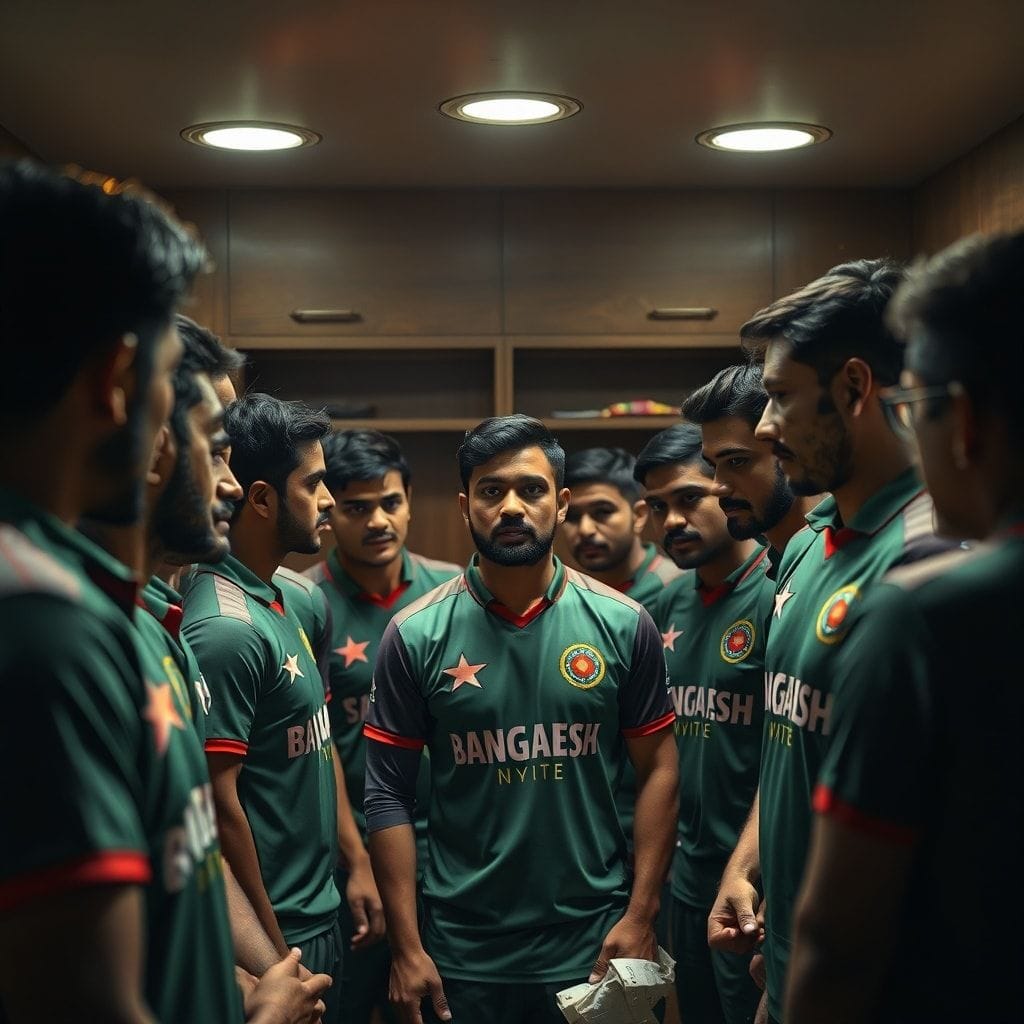
Farhan’s Explosive Century Powers Pakistan Towards Semifinals
Pakistan’s Super 8 clash against Sri Lanka at the 2026 T20 World Cup turned into a headline‑making night when Sahibzada Farhan smashed a century off just 60 balls. The innings not only revived Pakistan’s semifinal hopes but also rewrote several tournament records.
Match context and tactical picture
Both teams entered the fixture needing a win. Pakistan, sitting on the edge of qualification, knew a big total would give them leverage on net‑run‑rate. Sri Lanka, fresh from a narrow loss, were looking to keep their own hopes alive. The pitch at Georgetown was a dry, hard‑batting surface that offered true bounce early on, then settled into a slower, lower‑pace track after the fourth over.
Pakistan’s captain elected to open with Farhan and Fakhar Zaman, a combination that promised aggression without sacrificing stability. The plan was simple: use the first powerplay to plant the ball and then unleash the strike‑zone as the bowlers tired. Sri Lanka responded with a paced‑up attack, employing two spinners and a quick‑medium pacer to curb the early run‑rate.
Player roles and mindset
Farhan entered the innings with a clear mindset – dominate the bowlers on their own terms. Knowing the pitch would slow later, he timed his lofted shots for the longer boundaries and kept his footwork tight for the square of the wicket. Fakhar, on the other hand, played the role of a blitzkrieg finisher, swinging the bat with a higher risk/reward ratio.
Both openers displayed an uncharacteristic patience in the first six overs, rotating the strike and waiting for the bowlers to overstep the line. Once the powerplay ended, Farhan accelerated, finding gaps in the short‑ball and using his powerful wrists to clear the rope. By the time he reached his century, the partnership had turned into a 176‑run opening stand – the highest opening stand ever recorded in a T20 World Cup.
Tournament impact and what’s next
Pakistan posted 212 for 8, a score that placed them in a strong position but not a guarantee of progression. The net‑run‑rate equation now means they must bowl Sri Lanka out for 147 or less to overtake New Zealand. The result puts immense pressure on Pakistan’s bowlers, especially the death‑over specialists who will need to keep the run‑rate under 8.5.
If Pakistan can pull off that defensive effort, they will not only move into the semifinals but also create a morale boost that could carry them through the knockout stages. For Sri Lanka, a successful chase would send them straight into the semis and force Pakistan to reevaluate their bowling strategy.
Fan perspective and grounded opinions
The social media buzz was instantaneous. Fans praised Farhan’s composure, comparing his strike‑rate to the likes of Babar Azam but noting his distinct power‑hitting style. Many debated whether Pakistan should have opted for a more conservative chase instead of posting a mammoth total. The prevailing sentiment, though, celebrated the entertainment value and the way the century lifted the team’s confidence.
On the ground, the crowd’s reaction shifted from stunned silence during the early overs to a full‑throttle roar once the partnership crossed the 150‑run mark. The energy fed into the players, and even the Sri Lankan bowler’s body language showed a mix of frustration and admiration.
The Stats Behind the Strategy
| Metric | Farhan | Tournament Record |
|---|---|---|
| Runs in tournament (7 matches) | 383 | Surpassed Virat Kohli’s 319 (2014) |
| Average | 76.60 | Highest among players with 5+ innings |
| Strike Rate | 166 (century) | Fastest 100 in 60 balls in WC history |
| Centuries in a single edition | 2 | Joint record with Chris Gayle (different tournaments) |
| Opening partnership | 176 runs | World Cup record for opening stand |
Player + venue linking
Georgetown’s dry black topsoil favours batsmen who can generate power from the crease. Farhan’s aggressive footwork suited the early bounce, while his lofted drives took advantage of the slower second‑half surface. Fakhar’s ability to hit over the infield worked well with the venue’s short boundaries on the right‑hand side, turning what could have been a defensive start into a fireworks display.
Sri Lanka’s bowlers, accustomed to slower sub‑continental tracks, found the pitch’s hardness challenging. Their usual reliance on cutters and slower deliveries lost potency as the ball rose sharply, allowing Farhan to pull and hook with confidence.
Looking ahead, Pakistan’s next match will likely be at a venue with a greener outfield and more swing, meaning the team will need to adjust their batting approach and perhaps rely more on the middle order’s timing rather than sheer power.
Cricket Desk: Want more on 2026 T20 World Cup? Check out our 2026 T20 World Cup Latest News & Stats.