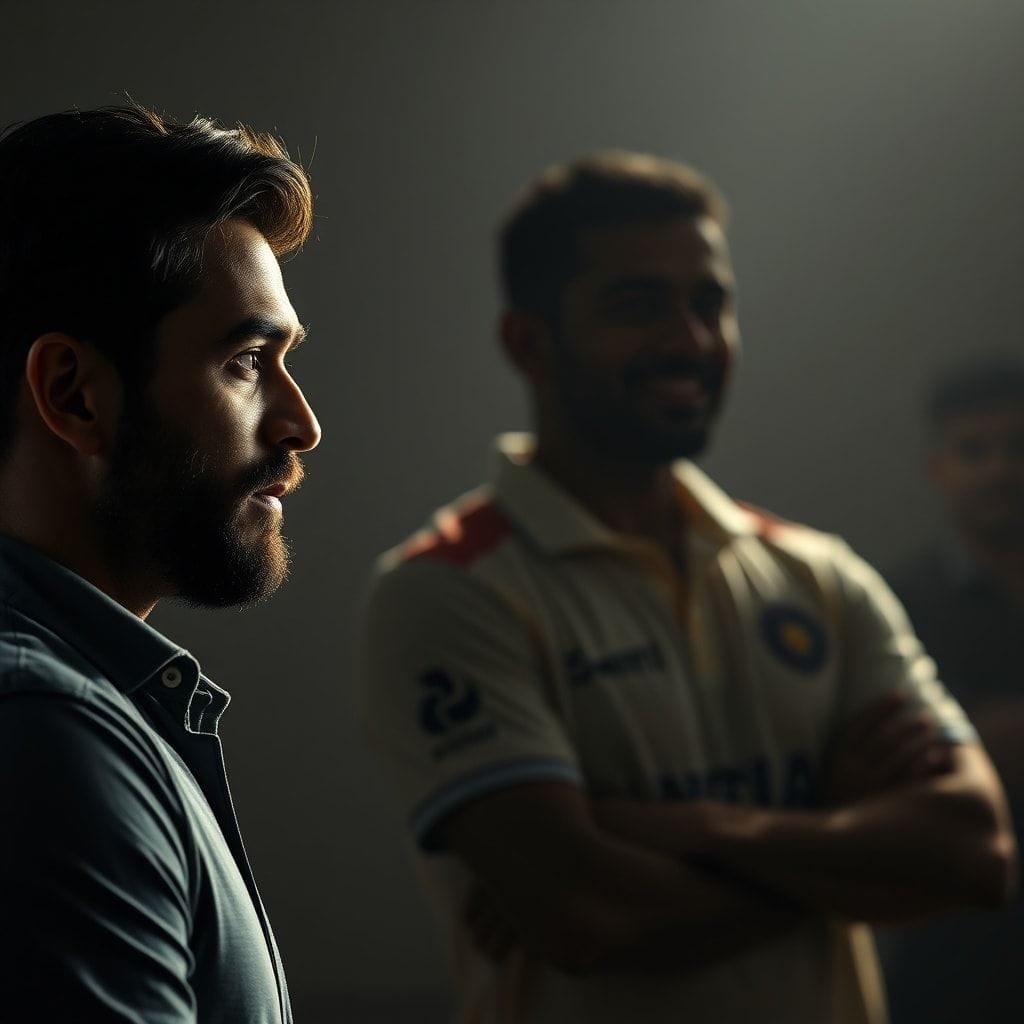
Faf du Plessis Makes Bold All-Time T20 Opener Pick; Virat Kohli Ignored
Faf du Plessis, a veteran of South African cricket, took a moment during the 2026 T20 World Cup to settle an age‑old debate: who is the greatest T20 opening batter ever? His answer sparked a flurry of reactions, because it pitted modern power‑hitting against classic aggression in a way few fans expected.
The conversation mattered because T20 opening roles have become a strategic linchpin for every side. An opener sets the tone, decides whether an innings will be a platform for a massive total or a slow‑burn chase. Du Plessis’s pick, Chris Gayle, reignited discussions about the balance between raw power and consistency across leagues, eras, and conditions.
The Stats Behind the Strategy
| Player | Matches | Runs | Average | Strike Rate | Hundreds |
|---|---|---|---|---|---|
| Chris Gayle | 453 | 14,740 | 42.68 | 147.6 | 19 |
| David Warner | 216 | 7,262 | 37.0 | 144.5 | 9 |
| Rohit Sharma | 254 | 6,250 | 38.7 | 135.4 | 7 |
| Virender Sehwag | 184 | 4,958 | 35.5 | 138.2 | 4 |
The numbers tell a simple story. Gayle’s sheer volume of runs and his 19 centuries dwarf any other opener’s tally. His strike‑rate hovers just above 147, meaning every 100 balls he adds nearly 148 runs – a metric that even Warner, the modern ‘pocket dynamo’, cannot eclipse over a comparable career span. Those figures become even more compelling when you factor in the diversity of leagues Gayle has conquered: IPL, CPL, BBL, and the PSL, each with distinct pitch characteristics.
Tactical Implications of Choosing Gayle
Opening in a T20 match is about setting a platform that matches the team’s overall game plan. If a side plans to chase a massive total, a power‑hitter at the top can accelerate the scoring rate early, forcing bowlers to adjust lines and lengths. Gayle’s ability to clear the boundary at will makes him the ideal weapon for teams willing to sacrifice wickets for runs in the powerplay.
Conversely, in a low‑target scenario, teams often prefer an opener who can rotate strike and build a foundation. Warner or Rohit, with slightly lower strike‑rates but higher consistency, fit that bill. Du Plessis’s endorsement of Gayle, therefore, signals a preference for an aggressive top‑order that can dominate bowlers from the first ball, a philosophy that has shaped many franchise strategies over the past decade.
Player Roles, Mindset, and Venue Connections
Gayle’s dominance is inseparable from the venues where he has thrived. The hard, bouncy wickets of the Mumbai Gymkhana ground amplify his power, while the low‑bounce tracks of Kingstown in the Caribbean allow him to play the short ball with ease. In Sharjah’s dry, turn‑friendly strips, his ability to hit over the infield remains effective because he can exploit the slow outfield with sheer force.
Warner, on the other hand, built his reputation on the fast, short‑pitched pitches of Melbourne and Sydney, where a mix of aggression and back‑foot defense works best. Rohit’s elegance shines on the flat, high‑altitude grounds of Johannesburg and Delhi, where he can time the ball late and still clear the rope. Du Plessis’s own career reflects a blend of these conditions: he has succeeded on the seaming tracks of England and the spin‑friendly surfaces of South Africa, which gave him the perspective to weigh each opener’s adaptability.
Impact on the Tournament and What Lies Ahead
The T20 World Cup 2026 is still in its group stage, but the conversation around the greatest opener has already seeped into locker rooms. Teams with a Gayle‑type player, such as the West Indies side in this edition, have leaned into a high‑risk, high‑reward approach, looking to post 200+ scores by the 15th over. Others, like India, have leaned on the steady hand of Rohit Sharma, focusing on building partnerships before launching a late‑innings onslaught.
Looking ahead to the knockout rounds, the strategic choices made now could dictate the final outcomes. If a side faces a pitch that offers minimal assistance to seamers, a power‑hitting opener can exploit the lack of early movement. If the surface promises turn, a more measured opener may preserve wickets for the middle order. Du Plessis’s verdict underscores that teams must align their opening strategy with pitch assessments rather than relying solely on star power.
Fan Perspective and Grounded Opinions
Fans across the globe have taken sides. West Indies supporters celebrated the nod to their ‘Universe Boss’, citing his unmatched ability to turn a game on its head with a single swing. Indian fans, meanwhile, expressed disappointment that Kohli was sidelined, arguing that his consistency in pressure situations warrants a place in any all‑time list.
From a grounded viewpoint, the debate is less about a single name and more about what the opening role represents in modern cricket. Power, consistency, adaptability, and the capacity to dominate multiple conditions are all valid criteria. Gayle ticks most of those boxes, but the conversation will continue as younger talents like Ruturaj Gaikwad and Shubman Gill build their own legacies.
Cricket Desk: Want more on Associate cricket strategy? Check out our Associate cricket strategy Latest News & Stats.