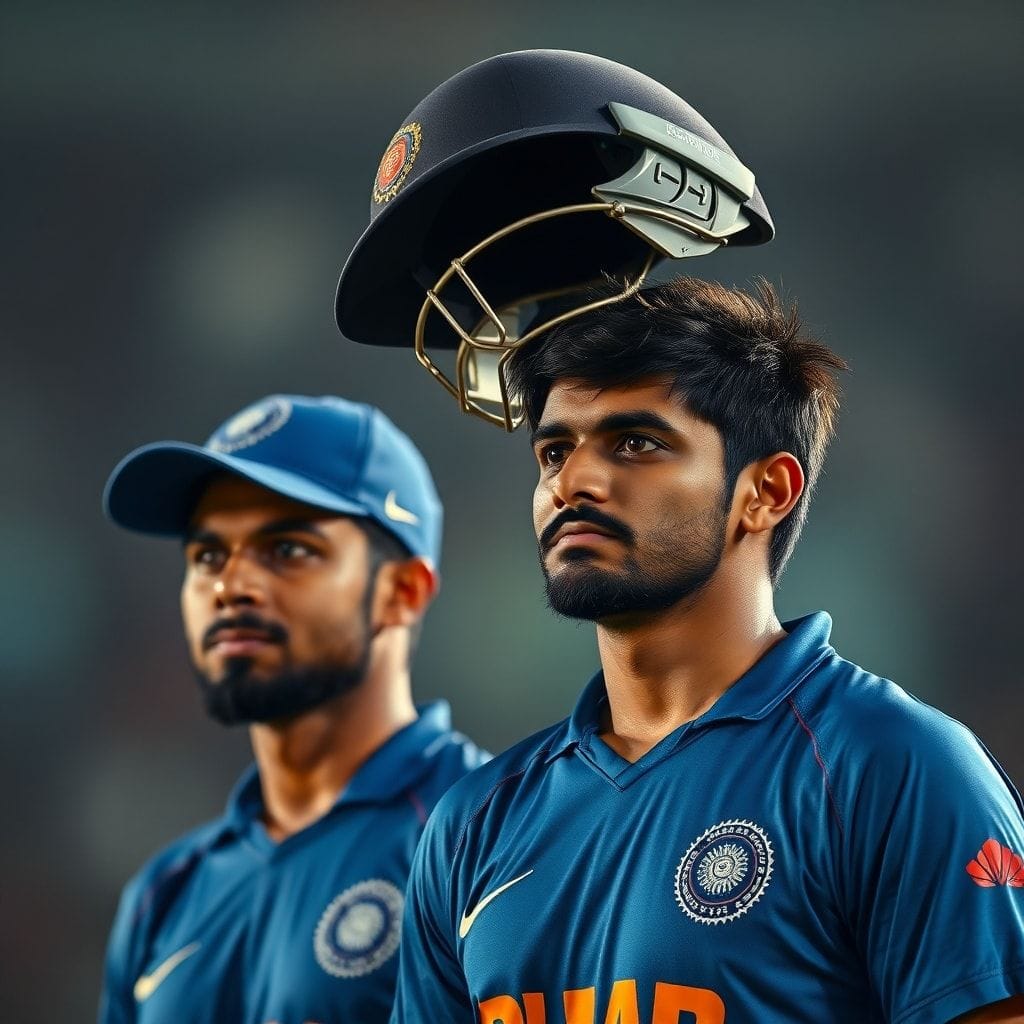
Vaughan’s Alleged Leak Sparks Debate Over Inclusion in The Hundred
Michael Vaughan’s tweet about the ECB stepping in to stop an alleged Pakistan-player boycott at the 2026 Hundred auction has set the internet alight. The flare-up matters because it touches the fragile balance between franchise money, political tension and the ethos of a league that brands itself as “the most inclusive sport” in England.
The Stats Behind the Strategy
| Metric | 2024 Hundred | 2026 Projection |
|---|---|---|
| Average auction spend per franchise (£m) | 5.2 | 6.1 |
| Pakistani player signings (2020‑2024) | 4 | 0‑2 (speculated) |
| Indian franchise ownership stakes | 3 of 8 | 4 of 8 |
| Social media mentions of “inclusion” (thousands) | 22 | 35 |
The numbers tell a clear story. Money is growing, the Indian investor footprint is expanding, and the public conversation around inclusion is louder than ever. Yet the hard data on Pakistani signings shows a steep dip after 2022, hinting that the market perception is already shifting before any official policy lands.
Tactical Choices from the ECB Boardroom
When Vaughan demanded a swift ECB reaction, he was really asking the board to treat franchise owners like a national selector. The ECB’s charter gives it the power to set eligibility rules, but it also protects the commercial independence of its partners. The board now faces a fork-road:
- Option A – Impose a blanket eligibility clause. This would ensure every franchise must consider Pakistani talent, but it could alienate the IPL groups that bank on brand alignment with Indian cricket.
- Option B – Leave the market to decide. The ECB would argue that clubs should assess talent on merit, trusting fan sentiment to penalise exclusion. The risk is a perception of tacit approval for political bias.
From a tactical standpoint, the ECB’s best play may be a middle-ground: a soft-policy that nudges owners toward inclusive scouting while preserving the right of each franchise to choose its own roster.
Player Mindset and Venue Realities
Take a look at two Pakistani all-rounders who could have been on the 2026 draft – Saif Badar, a power-hitting middle-order bat, and Hasan Ali, a swing bowler accustomed to the seam-friendly conditions at Old Trafford. Both thrive on quick-bounce tracks, the very type The Hundred’s home venues – Lord’s and the Riverside – tend to offer. If they were to sign, a franchise could exploit those conditions, especially in the early overs when the bowler’s swing pairs with a hard-hitting striker at the top of the order.
On the flip side, Indian-owned franchises often recruit players who match the sub-continental spin-heavy surfaces they are used to in the IPL. The divergence in pitch philosophy could be the real tactical battleground, more so than politics.
Fan Reaction and Grounded Opinions
Supporters flooded X with two kinds of messages. One camp hailed Vaughan as a guardian of cricket’s universal language, arguing that a sport built on shared love should rise above diplomatic squabbles. The other camp reminded him of England’s own history of political interference – the bans on Russian athletes and the long-standing avoidance of tours to Zimbabwe – suggesting that calling out others while ignoring home precedents looks hypocritical.
Most fans, landed on a practical note: they want exciting cricket, not boardroom drama. The Hundred’s success hinges on delivering short, high-octane games that fill stadiums and streaming slots. If a franchise reduces its talent pool for political reasons, the quality of those games could dip, and the league risks alienating a global audience that follows Pakistani players with fervor.
What This Means for the 2026 Tournament
Should the ECB intervene, we can expect a clear set of eligibility guidelines announced before the auction, giving franchises time to adjust their scouting profiles. That would likely restore some confidence among fans and signal that the league stands by its inclusive branding.
If the ECB stays hands-off, the market may self-correct. Social media pressure and potential sponsor backlash could force owners to reconsider a blanket snub, especially if a Pakistani player demonstrates clear value in the lead-up domestic season.
Either way, the outcome will set a precedent for how English cricket negotiates the fine line between commercial partnership and political neutrality. The Hundred, still in its early years, is testing that balance with each season.
Looking Ahead
Beyond 2026, the discourse will likely spill into other franchise leagues, where cross-border ownership is already commonplace. The way the ECB handles this moment could become a template for how cricket boards worldwide protect the sport’s open-door ethos while respecting the business realities of modern Franchise Cricket.
For the average fan, the key takeaway is simple: keep an eye on the auction, watch how teams frame their signings, and enjoy the fast-paced cricket that makes The Hundred a unique spectacle in the English summer.
Cricket Desk: Want more on 2026 IPL? Check out our 2026 IPL Latest News & Stats.