T20 World Cup Clash: How a Dropped Catch Changed Everything in Chennai
The third over of Afghanistan’s innings in the T20 World Cup clash at Chennai’s M.A. Chidambaram Stadium produced a moment that will be replayed for weeks. A mis‑cue between New Zealand’s keeper Tim Seifert and Finn Allen turned a sure dismissal for Rahmanullah Gurbaz into a comedy of errors, and the incident reshaped how both teams approached the rest of the game.
The Stats Behind the Strategy
| Metric | New Zealand | Afghanistan |
|---|---|---|
| Total runs required | 183 | 183 |
| Run rate after 5 overs | 6.8 | 7.2 |
| Seifert strike rate | 154.7 (65 off 42) | — |
| Phillips strike rate | 125.0 (42 off 34) | — |
| Afghan top scorer | — | Naib 57 (45) |
| Wickets lost at 14/2 | 2 | 2 |
Seifert’s 65 came at a time when the Black Caps were teetering at 14/2. His 154.7 strike rate lifted the chase from a collapse to a controlled pursuit. Phillips’ 42 added depth, keeping the required run‑rate under 8 throughout the middle overs. Afghanistan’s 182/6 was anchored by Naib’s half‑century, and even with a solid start they never built a partnership beyond 55 runs.
Why the Collision Mattered
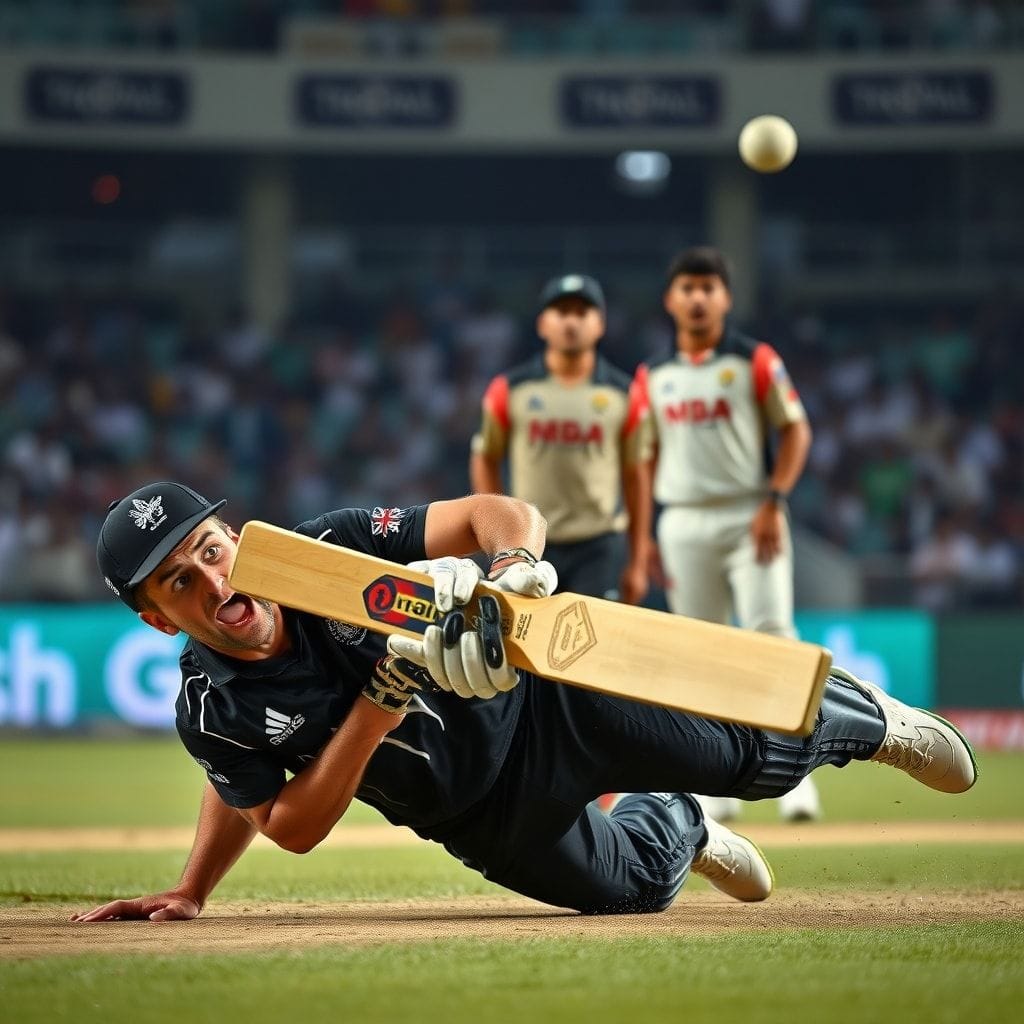
In the third over, Gurbaz edged a ball high into the Chennai humidity. Seifert, accustomed to the low bounce on this sub‑continental strip, moved confidently under it and signalled a clean grab. Allen, stationed at short fine‑leg, mis‑read the call and barreled across the keeper’s line. The resulting clash knocked the ball free, granting Gurbaz a lifeline that could have turned the momentum.
From a tactical lens, the error highlighted two things: New Zealand’s aggressive field placements in the powerplay and the fine‑line communication required when a wicket‑keeper and adjacent fielder converge. The Black Caps had placed Allen on the edge of a catch‑zone to cut a possible quick single, but the keeper’s call was lost in the roar of the crowd. In hindsight, a simple hand signal could have averted the drama.
Player Mindsets and Roles
Tim Seifert entered the match as a senior keeper with a reputation for calm under pressure. The slip‑up tested his composure, and his immediate grin after the tumble showed a willingness to own the mistake. Finn Allen, known for his explosive batting, also plays a part‑time fielding role in the outfield. His instinct to rush the ball reflected his aggressive mindset, but the incident reminded him that fielding discipline is as vital as scoring runs.
Rahmanullah Gurbaz, the Afghan opener, used the reprieve to reset his approach. After the dropped catch, he shifted from a high‑risk slog to a more measured strike, adding a quick 12 before the next wicket fell. The mental switch proved crucial in preserving Afghanistan’s total.
Tournament Impact and What’s Next
New Zealand’s victory earned them two points in a “Group of Death” that also houses South Africa, England and Sri Lanka. The win not only compensates for a 2024 loss to Afghanistan but also boosts team morale ahead of a high‑stakes encounter with South Africa on February 14. A loss there could have seen the Black Caps flirting with elimination, but the current momentum makes them one of the favourites to progress.
Afghanistan, despite the loss, showed resilience. Naib’s half‑century and a respectable 182 totals position them as dark horses for the knockout stage. Their bowlers, especially Mujeeb, will look to tighten the lines in the next match, possibly targeting the spin‑friendly conditions of Chennai again.
Fan Perspective and Grounded Opinions
Fans on social media turned the collision into a meme within minutes, dubbing it “the Kiwi tumble”. While the laughter was widespread, many also expressed concern over the lost wicket. In the stands, seasoned supporters argued that the dropped catch cost Afghanistan a chance to pull ahead, but younger fans enjoyed the spectacle, calling it “the most entertaining thing to happen in a World Cup match”.
From a purist’s view, the incident underscores the thin line between cricketing brilliance and chaos. It even elite players can stumble, and that every moment—whether a six or a slip—contributes to the narrative of a tournament.
Looking Ahead
As New Zealand prepares to face South Africa, the coaching staff will likely review field communication drills and keep the aggressive batting approach that Seifert’s innings displayed. Afghanistan, on the other hand, will aim to tighten their early wicket‑taking strategy, perhaps rotating Seifert’s keeper duties to avoid similar mishaps.
The Chennai crowd left with a story that will be told long after the tournament ends: a keeper, a fielder, and a ball that slipped through the cracks, giving a young Afghan opener a second wind.
Cricket Desk: Want more on Cricket strategy? Check out our Cricket strategy Latest News & Stats.