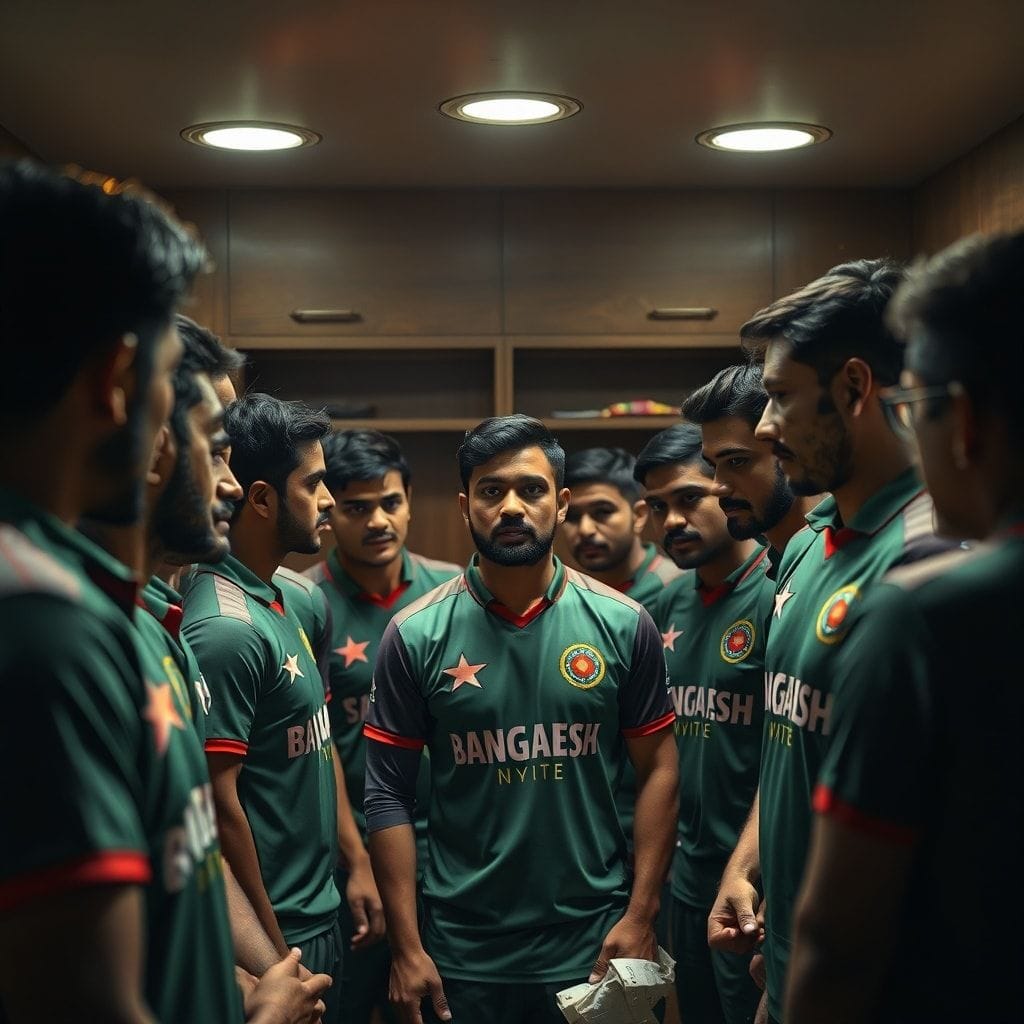
Bangladesh vs Pakistan ODI: Controversial Run-Out Sparks Debate
The second ODI between Bangladesh and Pakistan in Mirpur became more than just a cricket match. A rare run-out involving Pakistan captain Salman Ali Agha and Bangladesh skipper Mehidy Hasan Miraz triggered widespread discussion around instincts, rules, and sportsmanship. While the 128-run victory kept the series alive, the moment dominated headlines across global sports media.
The Stats Behind the Strategy
| Team | Runs | Overs | Wickets | Key Performers |
|---|---|---|---|---|
| Pakistan | 274/7 | 50 | 7 | Salman Ali Agha 64 (62), Shaheen Afridi 3/45 |
| Bangladesh | 114 all out | 27.3 | 10 | Mahmudullah 22, Shakib Al Hasan 14 |
Bangladesh struggled early, losing four wickets within the first ten overs. Their collapse was swift, with only Mahmudullah offering resistance through a composed knock of 22. The pivotal moment arrived during the 39th over when Miraz’s direct hit at the stumps caught Agha short, leading to a dramatic and contentious dismissal.
Tactical Choices That Shaped the Match
After a rain delay, Pakistan batted first under a revised DLS target of 243 in 32 overs. Knowing that a solid stand could seal the game, Agha anchored the innings with a cautious yet effective approach. His 64-ball fifty featured clean boundaries and smart running, keeping Pakistan ahead of the required rate.
Miraz responded with aggressive field placements. When he saw an opportunity to stop a run, his instinctive throw shattered the stumps. This move, though legal, raised eyebrows due to its timing — coming right after a perceived dead ball scenario.
Player Mindsets and Reactions
Agha later admitted confusion over whether the ball was considered dead following contact with both pad and bat. His body language showed visible frustration — hands thrown up, eyes locked on the umpire. For many viewers, this scene encapsulated the tension of elite-level sport where perception matters as much as rulebooks.
Miraz maintained composure in interviews, stating his sole intent was preventing extra runs. His explanation resonated with those who believe fielders should act decisively regardless of context. Yet critics questioned if appealing would’ve sufficed instead of going for the stumps directly.
Impact on the Series and What Lies Ahead
This win levels the three-match series, pushing expectations higher for the decider. Pakistan must continue relying on their bowling attack led by Afridi and Rauf, whose combined pace and accuracy dismantled Bangladesh’s top order twice now.
Bangladesh needs structural improvements in batting consistency. They cannot afford repeated collapses against quality pace attacks. Both captains acknowledged the importance of fair play moving forward, signaling possible adjustments in field placements and communication strategies.
Fans’ Viewpoint
Social platforms buzzed with mixed reactions. Many praised Miraz’s sharp awareness while others called it overly competitive. Pakistani fans were divided — some supported Agha’s stance while others recognized the legitimacy of the dismissal.
In stadium stands, emotions ran high. Cheers erupted from local crowds whenever a wicket fell, but sympathy emerged during Agha’s animated exchange with officials. These scenes reflect how deeply personal such moments become among spectators worldwide.
Looking Forward
The final ODI holds immense significance. Momentum swings quickly in shortened formats, making every delivery critical. Teams will likely revisit video replays and tactical manuals before stepping onto the field again.
Beyond this fixture, the incident adds complexity to discussions about ethics versus execution in modern cricket. As leagues expand globally, incidents like these influence youth perceptions and coaching philosophies alike. Expectations around leadership behavior rise accordingly, shaping future narratives in international cricket.
Cricket Desk: Want more on Bangladesh vs Pakistan? Check out our Bangladesh vs Pakistan Latest News & Stats.