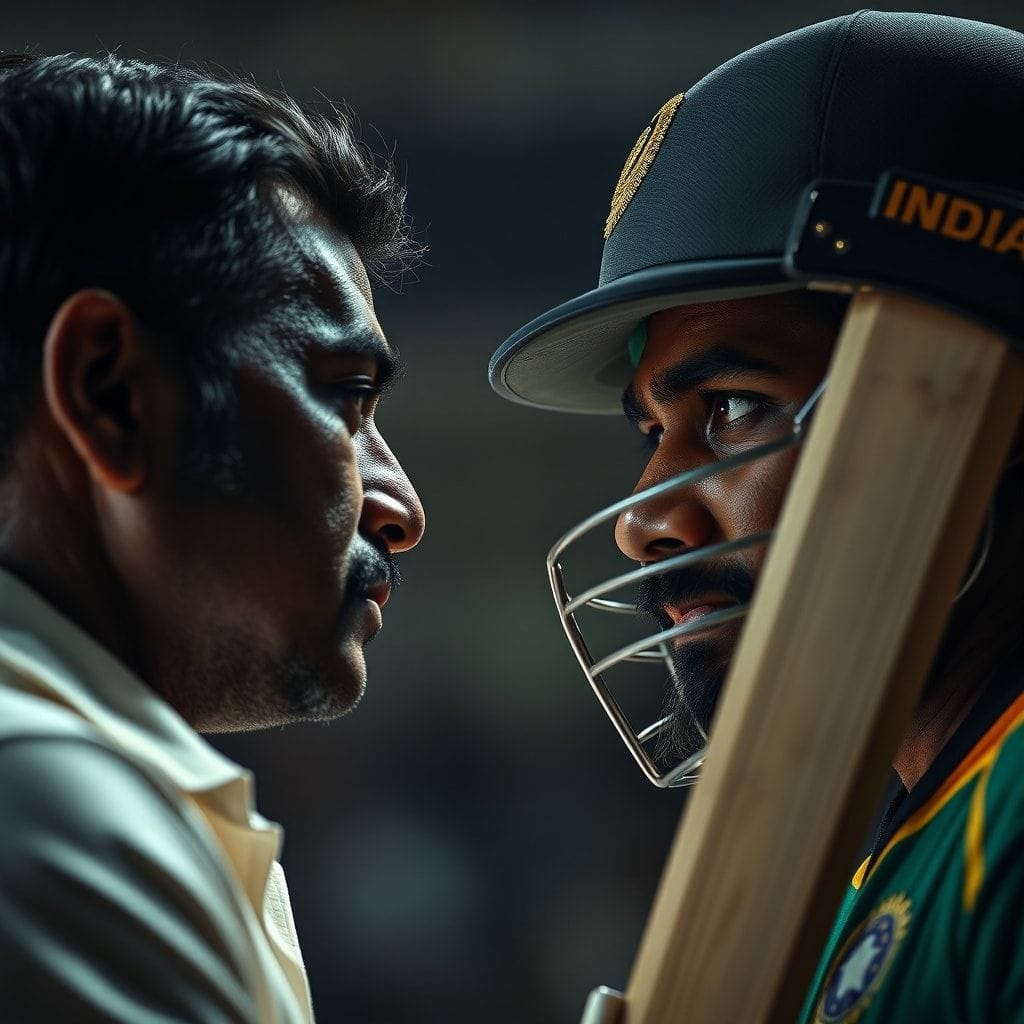
Bhanuka Rajapaksa Questions Indian Bats Amid T20 World Cup Drama
The latest T20 World Cup showdown has turned the spotlight onto Sri Lanka’s Bhanuka Rajapaksa as he questions the power behind Indian bats. The claim adds a fresh layer of drama to a tournament already humming with high‑octane cricket.
Beyond the headlines, Sri Lanka’s opening win and the way they have built their game around spin‑friendly venues deserve a closer look. The debate about equipment is only one piece of a larger puzzle that could shape the next few weeks of the World Cup.
The Stats Behind the Strategy
| Match | Venue | Sri Lanka Score | Key Bowlers | Opposition Score |
|---|---|---|---|---|
| Sri Lanka vs Ireland | Colombo (RPS) | 163/4 | Wanindu Hasaranga (3/22), Maheesh Theekshana (2/30) | 143/8 |
| India vs Scotland | Kandy (Pallekele) | 178/5 | Jasprit Bumrah (4/27) | 158/7 |
Colombo’s red‑clay surface tends to grip early, allowing spinners to extract turn from the second session onward. Kandy’s cooler climate and a slightly harder pitch favours a blend of seam and spin, giving pace bowlers a bit more swing while still rewarding turn in the death overs.
Spin‑Centric Blueprint in Colombo
Dasun Shanaka’s game plan in the capital mirrors the classic Sri Lankan approach: lock the opposition down with spin before unleashing the firepower at the top. Wanindu Hasaranga, armed with subtle variations, kept the Irish middle order guessing, while Maheesh Theekshana’s quicker leg‑spinner added an extra bite. The duo combined for six wickets, a figure that speaks louder than any bat controversy.
Batting, on the other hand, revolved around the Mendis partnership. Kusal Mendis’ steady 30‑plus anchored the innings, letting Kamindu Mendis swing freely. The 44‑run blitz off 19 balls lifted the total to a defendable 163, a score that felt comfortable on a venue that traditionally favours bowlers.
Why the Indian ‘Special Bats’ Talk Matters
Bhanuka’s interview sparked a firestorm because it touches on the fragile balance between skill and technology. The ICC’s bat regulations cap the blade length at 38 inches and the edge thickness at 4.25 mm, but manufacturers continue to push the envelope with carbon‑fiber reinforcement and thicker sweet spots. Indian players, many of whom have endorsement deals with leading bat makers, often get early access to prototypes that claim higher impulse.
From a psychological standpoint, believing you’re wielding a superior tool can boost confidence. Whether the “rubber‑layered” claim holds water is less important than the impact it has on the opposition’s mindset. Sri Lankan bowlers now carry an extra narrative to chew on, while Indian batsmen must either silence the doubts with runs or let the talk become background noise.
Team Decisions Shaped by Venue
When Sri Lanka moved from Colombo’s humid grip to Kandy’s cooler evenings, the squad adjusted its line‑up. Matheesha Pathirana, a young pacer with a knack for reverse swing, was handed the new‑ball in Kandy, exploiting the slight seam movement the venue offers. In contrast, the spin duo stayed on the field, knowing that the pitch would lose its bite later but retain grip for the final overs.
India, meanwhile, continued to rely on their power‑hitting core. The decision to promote Ruturaj Gaikwad to the top three in Kandy indicated a desire to capitalize on the relatively flat surface early, before the night dew makes the ball a bit heavier. Their selectors also rotated a spinner, Rahul Chandrasekhar, acknowledging that Kandy’s pitch would reward spin in the death overs.
Player Mindset and Role Clarity
Bhanuka Rajapaksa finds himself at a crossroads. Known for his aggressive intent, he now bears the additional burden of being the voice of dissent. His role as a middle‑order finisher means he must either silence critics with a six‑heavy cameo or risk his confidence by taking the bait.
For India’s batting stalwarts like Shubman Gill and Virat Kohli, the alleged bat advantage is a double‑edged sword. While they can leverage superior equipment to dominate, any perceived reliance on tech could invite scrutiny. Their challenge is to blend raw skill with the tools at hand, delivering runs that leave no room for debate.
Tournament Impact and What Lies Ahead
Sri Lanka’s opening win places them atop Group B, but the road ahead is anything but smooth. Their next clash in Kandy will test whether the spin‑centric strategy can adapt to a pitch that offers a blend of pace and turn. A win would cement the “Lankan Blueprint” as a viable template for the rest of the tournament.
India, sitting comfortably in their group, will face the next pressure point when they encounter a side that can match their firepower. If the bat controversy fuels extra motivation, it could push India to higher scores, but any slip could expose the team’s reliance on big hitting over depth.
Ultimately, the World Cup narrative will hinge on how teams balance equipment, conditions, and psychology. The next few weeks will either confirm Rajapaksa’s suspicions as a fleeting outburst or elevate them into a genuine talking point that reshapes equipment oversight.
Fan Perspective and Grounded Opinions
Supporters across the sub‑continent are split. Sri Lankan fans applaud Rajapaksa’s candor, seeing him as a champion of the underdog. They argue that without addressing equipment equality, the beautiful game risks losing its competitive edge.
Indian fans, on the other hand, dismiss the claims as hot‑air, insisting that skill still trumps any bat enhancements. Many point to the consistent performances of Indian batsmen in varied conditions as proof that the talent pool is deep enough to thrive regardless of gear.
Neutral observers call for a measured approach: stricter bat testing combined with transparent reporting. They suggest that if any manufacturer does push beyond the allowed limits, the ICC should act decisively—preserving fairness without dampening the spectacle.
For now, the conversation remains lively on social media, with memes, heated threads, and expert panels dissecting every run and swing. As the tournament rolls on, the debate will evolve, but the cricket itself will keep fans glued to their screens, waiting for the next big moment.
Cricket Desk: Want more on ICC regulations? Check out our ICC regulations Latest News & Stats.