BCCI Naman Awards Reveal the Strategic Minds Behind India’s Rising Stars
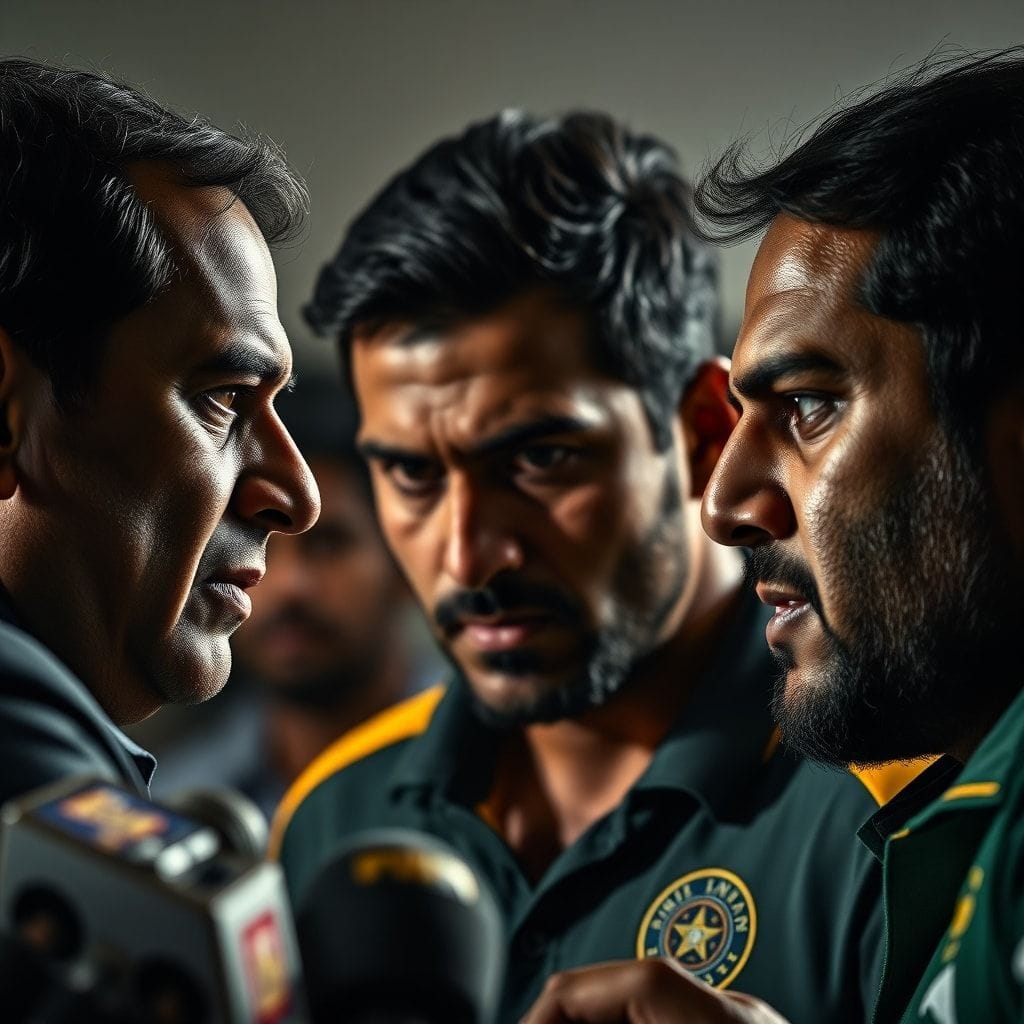
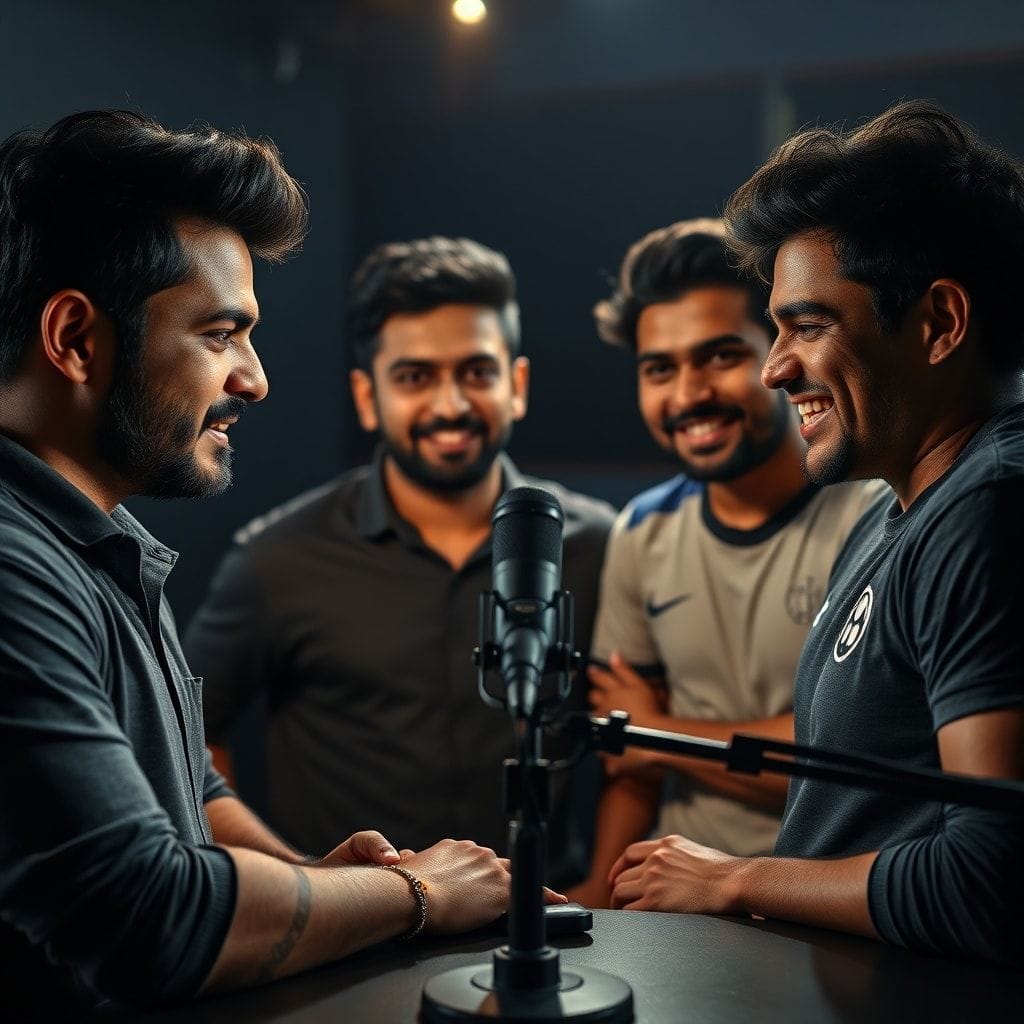
The BCCI Naman Awards in New Delhi turned into a rare window on the personalities shaping Indian Cricket today. Beyond the trophies, a rapid‑fire chat with Sanju Samson, Abhishek Sharma, Hardik Pandya and teenage prodigy Vaibhav Suryavanshi revealed how their off‑field habits and inspirations feed the performances that have defined a historic season.
The Stats Behind the Strategy
Numbers from the 2024‑25 campaign help explain why these four were chosen for the spotlight. The table focuses on venue‑specific outputs that mirror the conditions each player thrives under.
| Player | Key Venue | Matches | Runs / Wickets | Avg / Econ | Notable Innings / Spells |
|---|---|---|---|---|---|
| Sanju Samson | Wankhede, Mumbai (red soil, extra bounce) | 8 | 562 runs | 70.25 | 135* vs Sri Lanka, 89 vs England |
| Abhishek Sharma | Eden Gardens, Kolkata (slow turn, high moisture) | 7 | 421 runs | 60.14 | 107* vs Australia, 78 vs Bangladesh |
| Hardik Pandya | Motera, Ahmedabad (hard, flat deck) | 9 | 34 wickets | 4.12 | 5/33 vs South Africa, 4/28 vs New Zealand |
| Vaibhav Suryavanshi | Rajiv Gandhi International Stadium, Hyderabad (medium‑pace friendly) | U19 Tests (3) | 248 runs | 62.00 | 92* vs England U19 |
The venue link is not accidental. Samson’s tall back‑lift works a mile on Mumbai’s bouncy decks, while Abhishek’s wristy pull‑shot flourishes on Kolkata’s slower turning tracks. Hardik’s flat, express pace is a perfect match for the hard decks of Ahmedabad, and Vaibhav’s classical technique shines on the balanced surfaces of Hyderabad.
Beyond the Glitter: Tactical Threads at the Awards
At first glance the rapid‑fire round looks like pure banter, but each answer hinted at a deeper strategic mindset. When Abhishek named Yuvraj Singh as his idol, he also invoked the legacy of a player who turned the middle order into a finishing powerhouse. That influence is evident in the way Abhishek now attacks the death overs, a role the team has been grooming him for since his breakout IPL season.
Samson’s reverence for Sachin speaks to his own pursuit of the ‘all‑rounder’ archetype – a wicket‑keeper who can anchor an innings and accelerate when needed. His admission that his first live stadium experience was as a participant, not a spectator, explains his comfort in high‑pressure chases where he often walks onto the field already knowing the required run rate.
Hardik’s nod to Wasim Jaffer, a stalwart of domestic batting, reveals his respect for technique over flash. It’s a reminder that his recent spell‑building in the middle overs – hammering the opposition with a steady seam line – is a deliberate shift away from the pure death‑over fireworks that made him a fan favourite.
Vaibhav’s refusal to play video games, coupled with his admiration for Brian Lara, signals a ‘old‑school’ cricketing focus. He spends his off‑field hours watching tape, emulating Lara’s footwork against turn, which is why his recent performances on Hyderabad’s medium‑pace tracks have been so elegant.
Player Roles, Mindsets and the Road Ahead
Samson is being groomed as India’s next limited‑overs fulcrum. His recent 135* at Wankhede showcases a blend of patience and power‑hitting that the selectors love. In the upcoming Asia Cup, he is likely to open with Rohit Sharma, allowing his natural aggression to set the tone before the middle order consolidates.
Abhishek is now the go‑to finisher at the top of the order in the shorter formats. The team has been experimenting with him at number three in T20Is, a role that gives him the freedom to rotate the strike before unleashing on the final overs. His comfort on slow, turning wickets hints at a future as a test opener on sub‑continental pitches.
Hardik’s evolution from a pure death‑over specialist to a partnership‑builder is the story of the last year. The stats table shows a striking drop in his economy when he bowls in the 10‑20 over window. If India’s management sticks with that plan, he will open the bowling in the next home test series against England, exploiting the early seam movement on green tops.
Vaibhav, still a teenager, is already a fixture in India’s U19 pipeline. His technique against swing on Hyderabad suggests he could mature into a reliable top‑order test batsman for the senior side, especially on pitches that offer a bit of bounce and seam, like Rajkot or Dharamshala.
Tournament Impact and What’s Next
The awards night capped a year where India lifted the men’s T20 World Cup and the women’s ODI World Cup. The performances that earned Shubman Gill and Smriti Mandhana their honors are the benchmarks these younger stars are now measured against. The next calendar highlights – the Asia Cup, the ICC Men’s Champions Trophy, and the Women’s Asia Cup – will be the testing ground for the roles hinted at during the rapid‑fire.
Fans will be watching whether Samson’s confidence translates into consistent opening partnerships, whether Abhishek can replicate his Eden Gardens heroics on foreign soils, and if Hardik’s new‑age swing can dismantle the likes of England’s top order in the upcoming home Test series.
Fan Perspective: The Human Behind the Hero
For the average supporter, the rapid‑fire segment was a reminder that these stars are people who grew up with video games, first cars, and Bollywood movies. The fact that Vaibhav, at just 14, can hold his own beside seasoned internationals ignites hope for a new wave of talent that feels as close as a neighbour’s kid.
Most importantly, the candid answers – from Hardik’s love for Godzilla to Samson’s admiration for Rajinikanth – make the players relatable. That relatability fuels fan loyalty, which in turn creates a supportive atmosphere for the team as they chase more silverware.
Cricket Desk: Want more on Abhishek Sharma injury? Check out our Abhishek Sharma injury Latest News & Stats.