Babar and Shaheen’s Relay Catch Shifts Momentum in Pakistan’s Favor
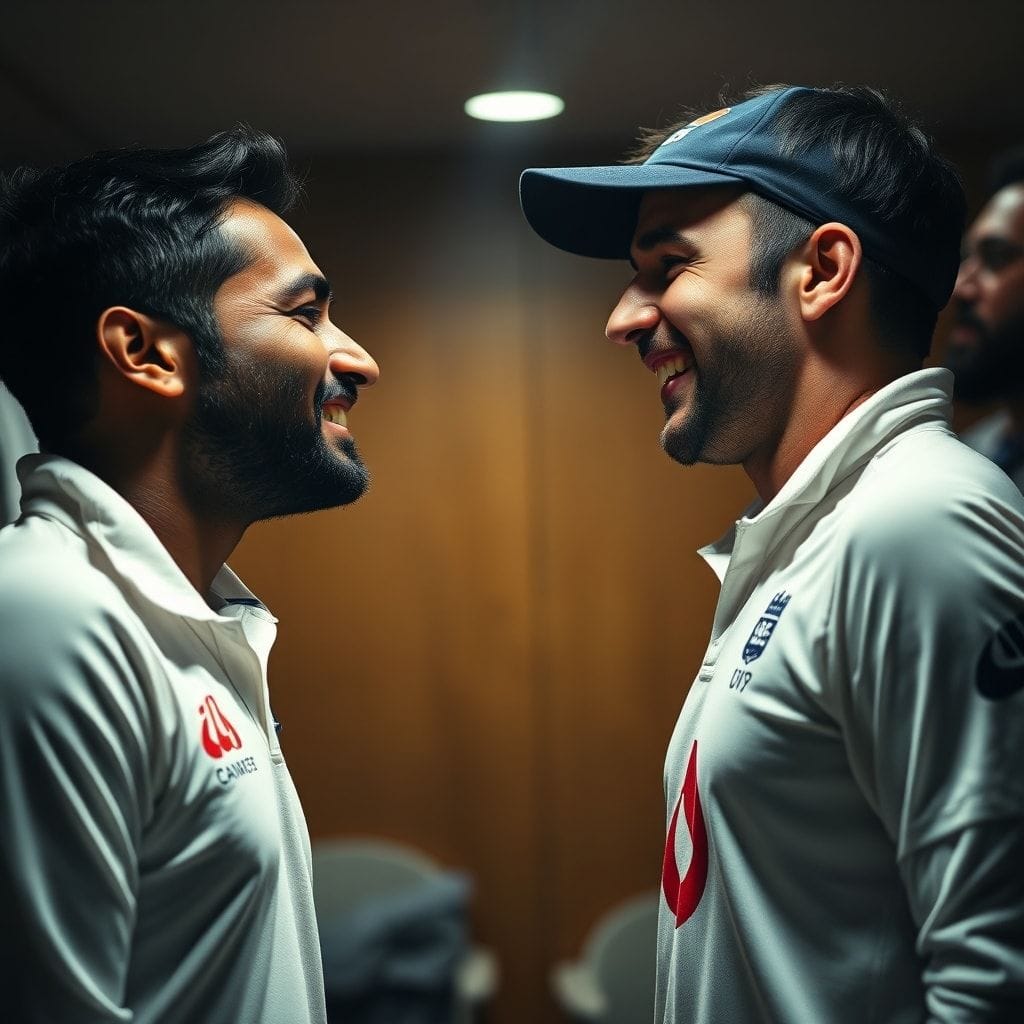
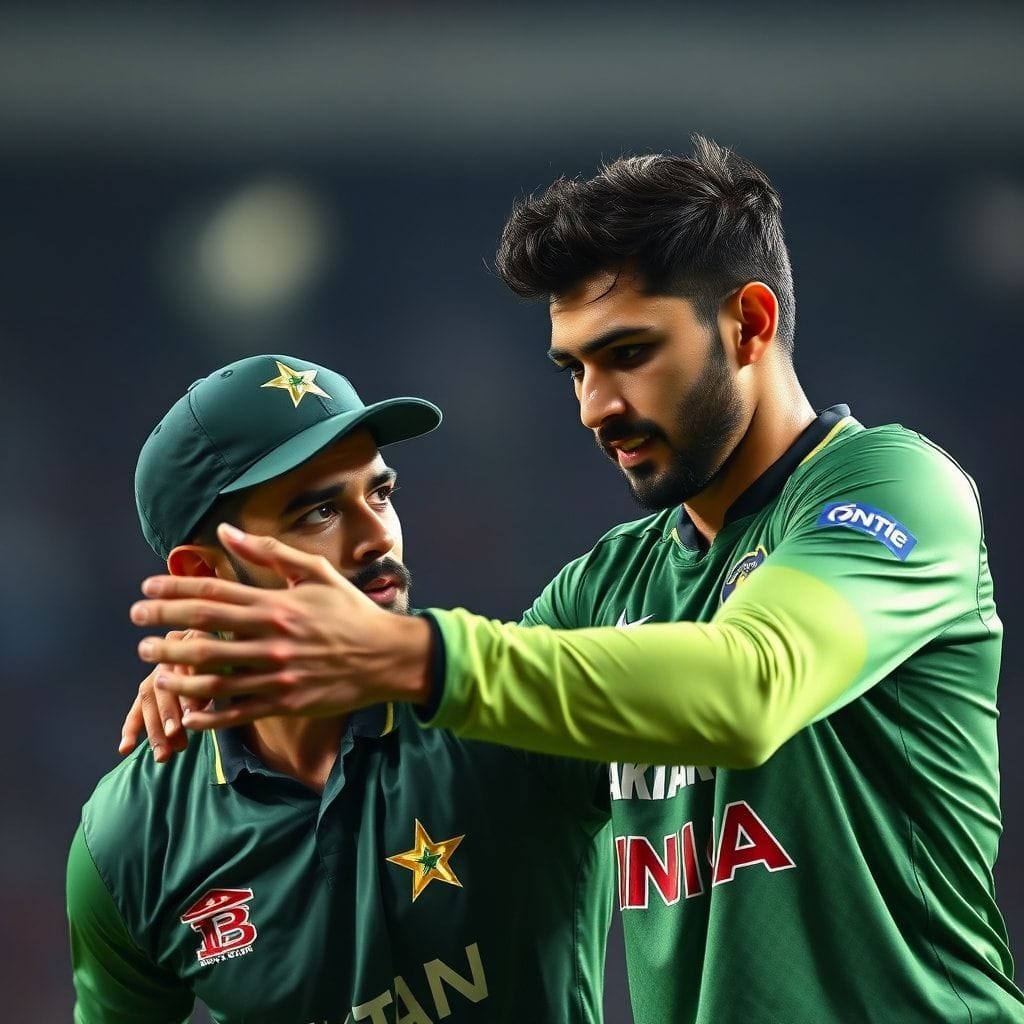
The fifth‑over drama between Pakistan and the Netherlands at the 2026 T20 World Cup offered a glimpse of why fielding can change a match. Babar Azam and Shaheen Afridi teamed up for a spectacular relay that dismissed Michael Levitt and swung momentum back to the Pakistani side.
Pakistan won the toss and chose to bowl, trusting their depth in pace and the athleticism of their fielders to apply pressure early. The decision paid off when, on the second ball of the fifth over, Levitt tried to muscle a full‑tossed delivery into the long‑off region, only to be caught in a coordinated effort that left fans buzzing.
Game‑plan and on‑field choices
Pitch conditions at New York’s MetLife Stadium were a blend of firm surface and a bit of grass that offered low to medium bounce. The surface favoured seam movement early on, which is why Pakistan’s captain instructed Mohammad Nawaz to open with a straight‑on bowler’s line. Nawaz’s delivery forced Levitt onto the back foot, creating the high‑arcing ball that triggered the catch.
Field placements reflected a classic aggressive T20 set‑up: long‑off guarded by the captain himself, long‑on covered by a quick‑moving pacer, and a slip cordon trimmed down to a single fielder. The plan was simple – stop any boundary‑bound shots and keep the run rate in check. When the ball flicked off Levitt’s bat, Babar sprinted, judged the flight, and brought the ball in with both hands. While his momentum carried him toward the rope, he cleverly lofted the ball back into the field before his foot crossed, allowing Shaheen, who had already hustled from mid‑on, to scoop it up cleanly.
The catch was not just a flash of reflex; it was a rehearsal of Pakistan’s fielding drills. The duo’s awareness of each other’s speed and positioning showed that Pakistan treats fielding as an extension of their bowling strategy.
Player roles and mental angles
Babar, usually seen as the orchestrator of the batting line‑up, embraced a more defensive role while fielding. His presence at long‑off signalled to the Dutch side that any aggressive pull‑shot would be met with a wall of talent. Shaheen, known for his pace, also demonstrated that his value goes beyond the crease – his sprint from mid‑on was a reminder that fast bowlers can double as fielding enforcers.
For Levitt, the moment was a turning point. After a solid opening partnership of 28 runs with Max O’Dowd, his confidence was rising. The dismissal knocked a boost from his innings, and the Dutch side felt a subtle shift in rhythm. The loss forced captain Scott Edwards to recalibrate, pulling Bas de Leede to the crease for stability.
The Stats Behind the Strategy
| Metric | Pakistan | Netherlands |
|---|---|---|
| Run rate after 5 overs | 6.2 | 7.8 |
| Wickets lost in powerplay | 2 | 3 |
| Boundaries (0‑15 overs) | 12 fours, 1 six | 16 fours, 3 sixes |
| Fielding dismissals (catches/run‑outs) | 3 (including Levitt) | 1 |
The numbers tell a story. Pakistan kept the Dutch run rate in check by taking three wickets in the powerplay, while the Netherlands managed more boundaries but at the cost of losing a key middle‑order bat. The fielding statistic shows Pakistan’s edge – each catch saved at least eight runs on average, a margin that matters in a 20‑over chase.
Impact on the tournament and what lies ahead
Pakistan’s early win puts them in a strong position within Group B, where net run rate can be a decisive factor. The confidence boost from a spectacular fielding effort also builds a psychological edge over teams that may underestimate Pakistan’s non‑batting skills.
For the Netherlands, the loss of Levitt forced them to rely on the Edwards‑de Leede partnership. Their resilience will be tested in the next matches, especially against teams with deeper bowling attacks. A key takeaway for them is the need to tighten their approach to lofted shots, as those become easy targets for a fielding‑savvy side.
Fans’ voice and grounded take‑away
Social feeds lit up with short clips of the catch, many fans applauding the coordination and the sheer audacity of Babar’s last‑second flick. In the comment sections, supporters highlighted that Pakistan’s fielding is finally catching up with its batting reputation. Critics, on the other hand, reminded that a single catch does not win tournaments; consistency in both bowling and batting will still be required.
From a fan’s perspective, the moment reminded everyone why T20 cricket is as much about quick reflexes as it is about power hitting. The blend of tactical bowling, aggressive field placement, and athletic execution made the Levitt dismissal a textbook example of how a single play can tilt a match.
Looking forward, Pakistan will aim to keep the pressure high, using their fielders to back up a disciplined bowling unit. The Netherlands must regroup, perhaps deploying a deeper field around the boundary to curb lofted attempts. Both teams have a clear roadmap, and the next few games will reveal if they can turn today’s lessons into tournament success.