Australia’s Tactical Shift Without Marsh: A World Cup Test
The surprise omission of Mitchell Marsh from Australia’s line‑up against Ireland at the 2026 T20 World Cup has stirred debate across the cricketing world. Marsh’s groin injury not only removes a captain but also forces a reshuffle in a side already coping with a thin bowling unit.
Match Context
Group B’s opening clash at Colombo’s R. Premadasa Stadium was billed as a formality for the reigning champions. Australia arrived after a 3‑0 whitewash in Pakistan, while Ireland looked to prove they belong on the big stage after a respectable showing against Sri Lanka. The toss set the tone: Australia elected to bowl, hoping their seam attack could exploit the morning dew on the relatively hard, low‑bounce surface.
Tactical Analysis and Team Decisions
With Marsh sidelined, Travis Head stepped up as stand‑in skipper. Head’s experience in the middle order offers a calm presence, but the real puzzle lies in balancing the batting firepower and filling the leadership vacuum. Australia opted for a top‑order anchored by Josh Inglis and Cameron Green, both comfortable against spin on slower Caribbean‑style wickets. The decision to keep Glenn Maxwell at number six underlines the belief that his improvisation can rescue a middle over crunch.
On the bowling front, Nathan Ellis and Xavier Bartlett form the new‑ball pair, while Adam Zampa shoulders the death overs. The absence of Tim David’s hard‑hitting at the end forces Australia to rely on Maxwell and Marcus Stoinis to finish innings, a risk given their recent form.
Ireland’s strategy hinges on Paul Stirling’s aggressive opening and the spin duo of George Dockrell and Gareth Delany. Their plan is to force a mistake early, then accelerate with Harry Tector and Curtis Campher. The pitch at Premadasa tends to settle into a medium‑pace track after the first few overs, so home‑grown spin could become a decisive factor in the latter stages.
The Stats Behind the Strategy
| Player | World Cup T20 Avg (2022‑24) | Runs at Premadasa (last 5 matches) |
|---|---|---|
| Josh Inglis | 32.4 | 28, 31, 25, 34, 27 |
| Cameron Green | 29.7 | 22, 30, 19, 27, 24 |
| Glenn Maxwell | 35.9 | 40, 38, 44, 31, 42 |
| Paul Stirling | 31.2 | 33, 29, 38, 26, 30 |
| George Dockrell | 18.5 (econ) | 2.1, 1.8, 2.3, 2.0, 1.9 |
Player Roles and Mindset
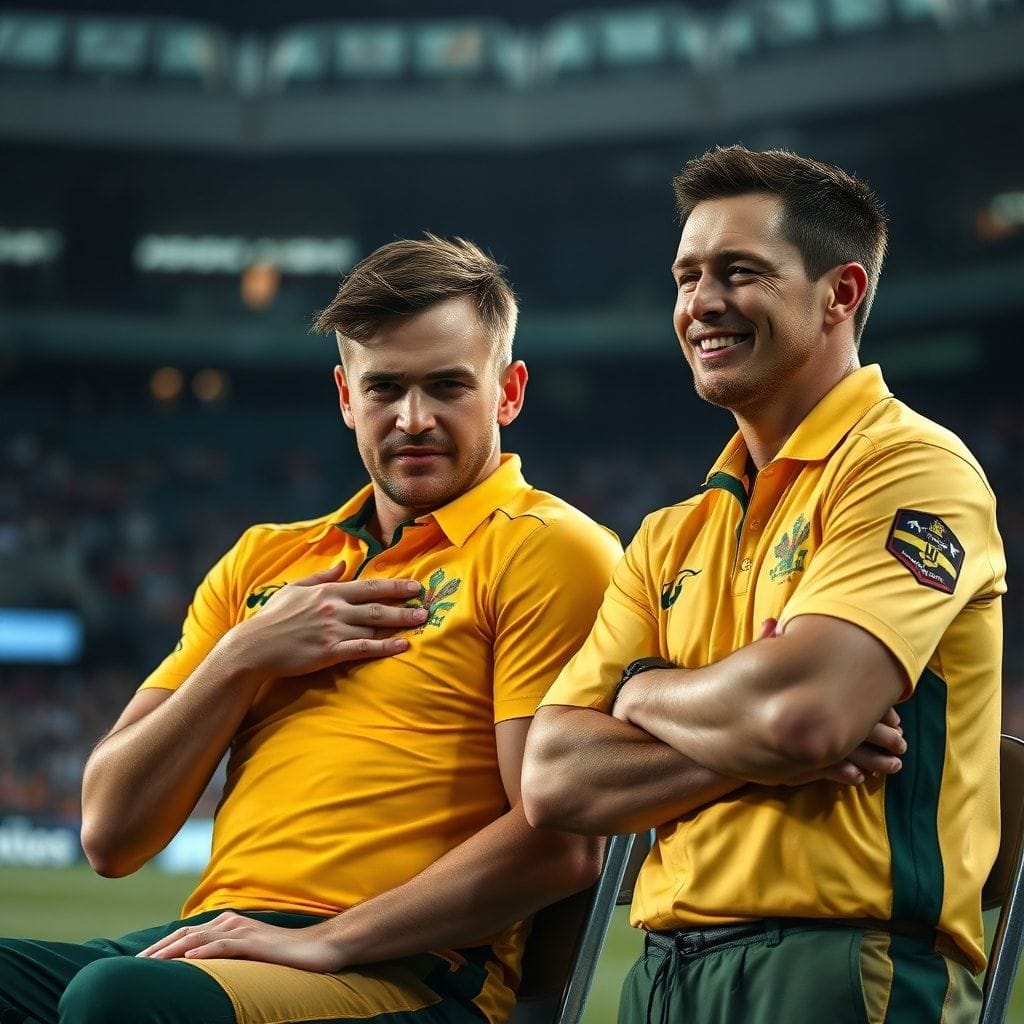
Travis Head knows the captaincy badge comes with added scrutiny. His calm humor at the toss hints at a desire to keep the dressing room relaxed, yet he must manage bowler rotations carefully. For Green, the focus is on rotating the strike while offering a few overs of medium pace if Zampa falters.
Maxwell’s role has evolved beyond a mere finisher; his ability to farm the strike and accelerate selectively makes him a hybrid anchor‑attack player. In contrast, Ireland’s Delany sees his spin as an equaliser, targeting the lower‑order batsmen who struggle against flighted deliveries on a surface that can become sticky after a rain shower.
Tournament Impact and What Comes Next
A loss against Ireland would place Australia in a precarious position, potentially needing a win against both New Zealand and the West Indies to stay alive. Marsh’s recovery timeline suggests he could miss the next two matches, meaning Australia will have to navigate the group stage without its on‑field leader.
If the Aussies clinch a narrow win, the momentum could lift the morale of a squad still healing from the Pakistan series. The key will be whether the stand‑in leadership can maintain composure under pressure and whether the spinner‑heavy attack can adapt to varying conditions across the tournament.
Fan Perspective and Grounded Opinions
The Australian fanbase is abuzz with “where’s Marsh?” memes, but many acknowledge the depth of the squad. Social chatter points to a belief that the team’s experience will compensate for the missing captain. On the Irish side, supporters see this as a golden opportunity to upset a heavyweight, citing Stirling’s aggressive intent and Dockleigh’s tidy economy as potential game‑changers.
From a neutral observer’s stance, the match hinges on which side can best exploit the early‑over swing and later‑stage spin. Australia’s batting depth should, in theory, outweigh Ireland’s modest firepower, yet the psychological edge of playing without Marsh could tilt the balance.
Regardless of the result, the encounter sets the tone for a World Cup that promises twists, injuries, and moments that will shape the narrative of the next decade of T20 cricket.
Cricket Desk: Want more on Cricket Tactics? Check out our Cricket Tactics Latest News & Stats.