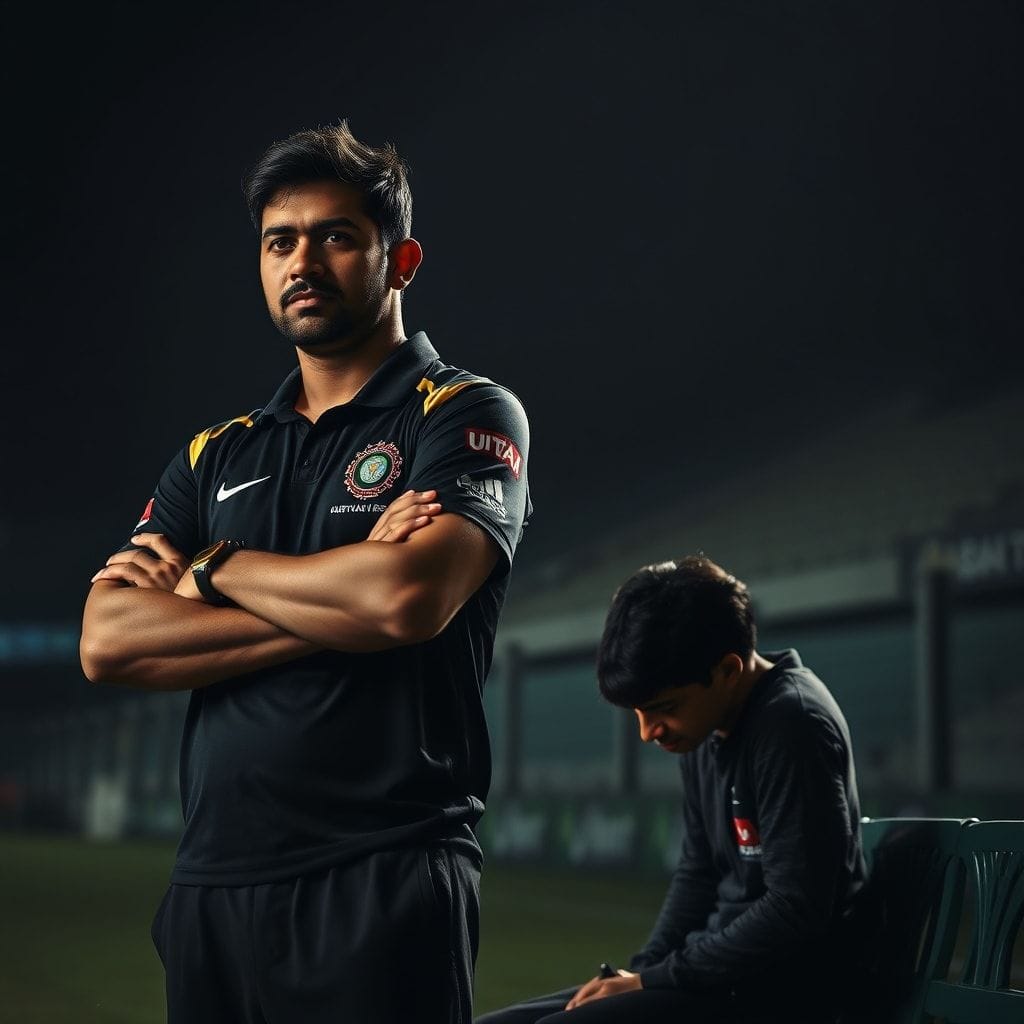
Australia’s T20 WC 2026 Exit: Kaif’s Jab, Martyn’s Reply & Tactical Breakdown
Australia’s early departure from the 2026 T20 World Cup sparked a lively debate online. Former India stalwart Mohammad Kaif jabbed at the “mighty Aussies” label, prompting a measured reply from ex‑Australia batsman Damien Martyn. The exchange highlights how a single tournament can reignite conversations about legacy, tactics and the fine line between dominance and decline.
The Stats Behind the Strategy
| Team | Matches Played | Wins | Losses | Net Run Rate | Key Player Contributions |
|---|---|---|---|---|---|
| Australia (Group B) | 3 | 1 | 2 | -0.246 | David Warner 78 runs, Mitchell Starc 3/39, Glenn Maxwell 22* (19) |
| Zimbabwe | 3 | 2 | 1 | +0.112 | Brendan Taylor 94 runs, Sikandar Raza 2/27 |
| India (Group B) | 3 | 2 | 1 | +0.321 | Rohit Sharma 112 runs, Jasprit Bumrah 4/22 |
The numbers tell a simple story: Australia’s sole victory came against Ireland, a side that struggled on the slow, low‑bounce surface at Colombo’s R. Premadasa Stadium. The loss to Zimbabwe exposed a frailty against spin‑friendly conditions, while the defeat by Sri Lanka on a turning pitch in Kandy erased any hope of a net‑run‑rate recovery.
Match context and tactical choices
Australia entered the tournament as the 2021 T20 champions, yet their squad selection hinted at a rebuilding phase. The top order featured Warner, Finch and a relatively inexperienced Aaron Finch‑replacement, while the spin department relied heavily on Adam Zampa, who had limited experience on sub‑continental surfaces.
The opening win over Ireland was built on aggressive power‑play batting. Warner’s 34 off 19 set the tone, but the decision to retain only one specialist spinner for the Zimbabwe game proved costly. Zimbabwe’s duo of Blessing Muzarabani and Craig Ervine exploited the variable bounce, forcing Starc into a defensive line rather than his usual attacking swing.
Against Sri Lanka, captain Aaron Finch elected to field first, hoping the early morning moisture would aid seam movement. The plan back‑fired as Sri Lanka’s openers navigated the dew‑laden conditions with ease, posting a competitive 165. Australia’s chase stalled at 143/7, with Maxwell’s late cameo unable to bridge the gap.
Player mindsets and roles
Warner’s approach was unapologetically attack‑first, a mindset that served him well in the Ireland game but left him vulnerable when the ball turned. Finch, as captain, appeared to juggle the desire to protect his bowlers with the need to chase aggressively, a tension evident in his field‑placement choices.
Spin‑bowler Adam Zampa’s figures (0/42) reflected both a lack of variation and an underestimation of the pitch’s grip. On the other hand, Mitchell Starc’s 3/39 against Ireland showed his class, yet the same bowler struggled to generate bounce on the low‑flight surfaces that dominated the tournament.
When the rain‑affected match between Zimbabwe and Ireland was called off, the disappointment was palpable among the Australian dressing room. The washout eliminated any chance of a points boost that could have salvaged the campaign.
Impact on the tournament and what’s next
Australia’s exit reshaped the Super‑8 picture. With India, South Africa and New Zealand securing spots, the competition now looks poised for a fresh set of contenders. For the Aussies, the failure invites a period of reflection on squad balance, especially the mix of experience and youth in spin‑friendly conditions.
Looking ahead, the team’s coaching staff will likely prioritize spin development and adaptability to slower tracks. The upcoming home series against England will serve as a testing ground for any new combinations.
Fan perspective and grounded opinions
Australian supporters voiced a mixture of frustration and optimism on social media. Many lamented the “mighty Aussies” tag, echoing Kaif’s sentiment, while others reminded the world of Australia’s rich trophy cabinet. On the Indian side, fans enjoyed Kaif’s candid observation, seeing it as a gentle reminder that cricket cycles are inevitable.
Damien Martyn’s reply struck a chord with older fans who recall the 1990s and early 2000s dominance. His measured tone – acknowledging that dynasties dip but do not disappear – resonated with those who value long‑term achievement over a single tournament’s result.
In the stadiums and living‑rooms across the globe, the conversation settled on a simple truth: Australian cricket is built on a solid foundation, but the next chapter will demand flexibility, especially on pitches that favor spin and low‑bounce. The debate sparked by Kaif and Martyn will likely continue, but the real story will unfold on the field in the months to come.
Cricket Desk: Want more on T20 World Cup 2026? Check out our T20 World Cup 2026 Latest News & Stats.