Australia Women Dominate Day One Against India in One-Off Test
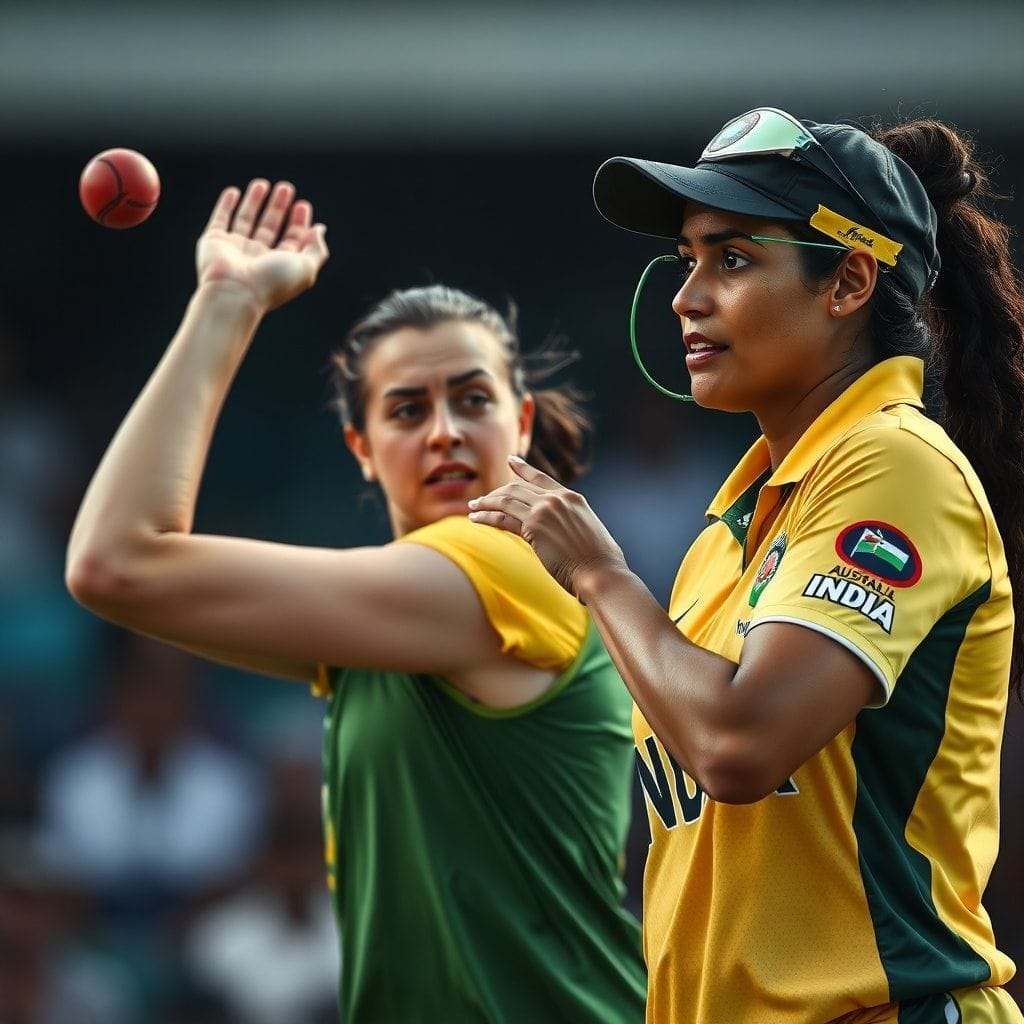
The one‑off Test between Australia Women and India Women kicked off with a bold decision from the Australian captain – to bowl first. That call paid instant dividends, highlighted by a thunder‑bolt delivery from 19‑year‑old pacer Darcie Brown that sent Indian skipper Harmanpreet Kaur back to the pavilion. The early breakthrough set the tone for a day where Australian pace dominated and India fought back with gritty resistance.
The Stats Behind the Strategy
| Bowler | Overs | Maidens | Runs | Wickets | Economy |
|---|---|---|---|---|---|
| Darcie Brown | 23 | 2 | 55 | 3 | 2.39 |
| Lucy Hamilton | 21 | 1 | 68 | 3 | 3.24 |
| Annabel Sutherland | 20 | 0 | 71 | 3 | 3.55 |
| India – Top Scorer | Jemimah Rodrigues, 52 (96 balls, 8 fours, 1 six) | ||||
Brown’s three wickets came at a sub‑2.5 run‑a‑ball rate, a testament to her ability to extract seam and swing on the SCG’s lively surface. Hamilton and Sutherland backed her up, each snaring a three‑for‑haul, keeping the Indian run‑rate under three per over for the first innings.
Tactical choices and why they mattered
Choosing to field first was a calculated risk. The Sydney pitch traditionally offers a bit of extra bounce early on, especially under clear skies. Australian pacers, renowned for their pace and ability to move the ball both ways, could exploit that. By forcing India into a chase without a solid first‑innings total, the hosts hoped to keep the pressure high and force mistakes.
Batting first would have meant navigating a fresh pitch that could zone in on the later sessions, a scenario that suits the Australian batters who thrive on high‑scoring platforms. Yet the captain’s confidence in her bowlers’ early swing convinced her to go the defensive way.
Player roles, mindset and venue love‑affair
Darcie Brown is a product of Queensland’s fast‑bowling pipeline, where the red‑soil outfields reward raw speed and aggressive lengths. At the SCG, that translates into extra carry for yorkers and a sharper bounce for short‑ball attacks. Brown’s hallmark – a high‑release angle that cuts the off‑stump – found a perfect partner in the pitch’s seam‑friendly nature. Her dismissal of Harmanpreet was not a flash of luck; it was a result of rehearsed practice against the swing‑friendly conditions.
Lucy Hamilton, debuting in Test cricket, seemed to have read the surface like a map. Her line hovered just outside the off‑stump, compelling the Indian batters to play at a length that offered her the chance of an edged catch. Annabel Sutherland, the all‑rounder, used her experience in limited‑overs cricket to vary her pace, mixing slower balls with her natural quick delivery, a tactic that unsettled the Indian middle order.
On the other side, Jemimah Rodrigues displayed a temperament that suits the slower, more forgiving bounce of the SCG’s outfield. Her grounding in the middle clears the way for a finish once the top order is out. While her strike‑rate was modest, the ability to stay at the crease for a long spell proved vital for India’s fight‑back.
Impact on the series and what lies ahead
Australia’s early dominance gives them a clear psychological edge. With a lead of 180 runs after day one, the hosts control the match tempo. Should they maintain the pressure with the ball, they could bowl India out well before tea on day two, setting up an innings victory.
For India, the task now is to rebuild partnerships and counter the swing that has been their nemesis. The batting order will need to rotate the strike, using Rodrigues as an anchor while letting the lower order attack the short boundaries. If they can post a competitive total, the recent history of women’s Tests suggests the match could swing in the final days, especially if the pitch loses its bounce and becomes a spinner’s paradise.
Fans’ voice and grounded opinions
The Australian crowd, accustomed to watching fast‑bowling spectacles, roared at Brown’s delivery the way they did for Meg Lanning’s classic strokes a decade ago. Social media threads celebrated the “beauty” of the wicket, comparing it to iconic men’s Test moments, yet also highlighting the growing depth of talent in women’s cricket.
Indian supporters, meanwhile, expressed a mixture of disappointment at the early loss of their captain and pride for Rodrigues’ gritty half‑century. The consensus among analysts is that India’s challenge now lies in adapting to the conditions rather than relying on power‑hitting alone.
the day underscored why a one‑off Test is a valuable addition to the women’s calendar – it showcases a different facet of the game, where patience, swing and strategy take centre stage. The next sessions promise a test of nerves as both sides adjust, and fans will be watching keenly to see if the early dominance translates into a historic win.
Cricket Desk: Want more on Asian women's cricket? Check out our Asian women's cricket Latest News & Stats.