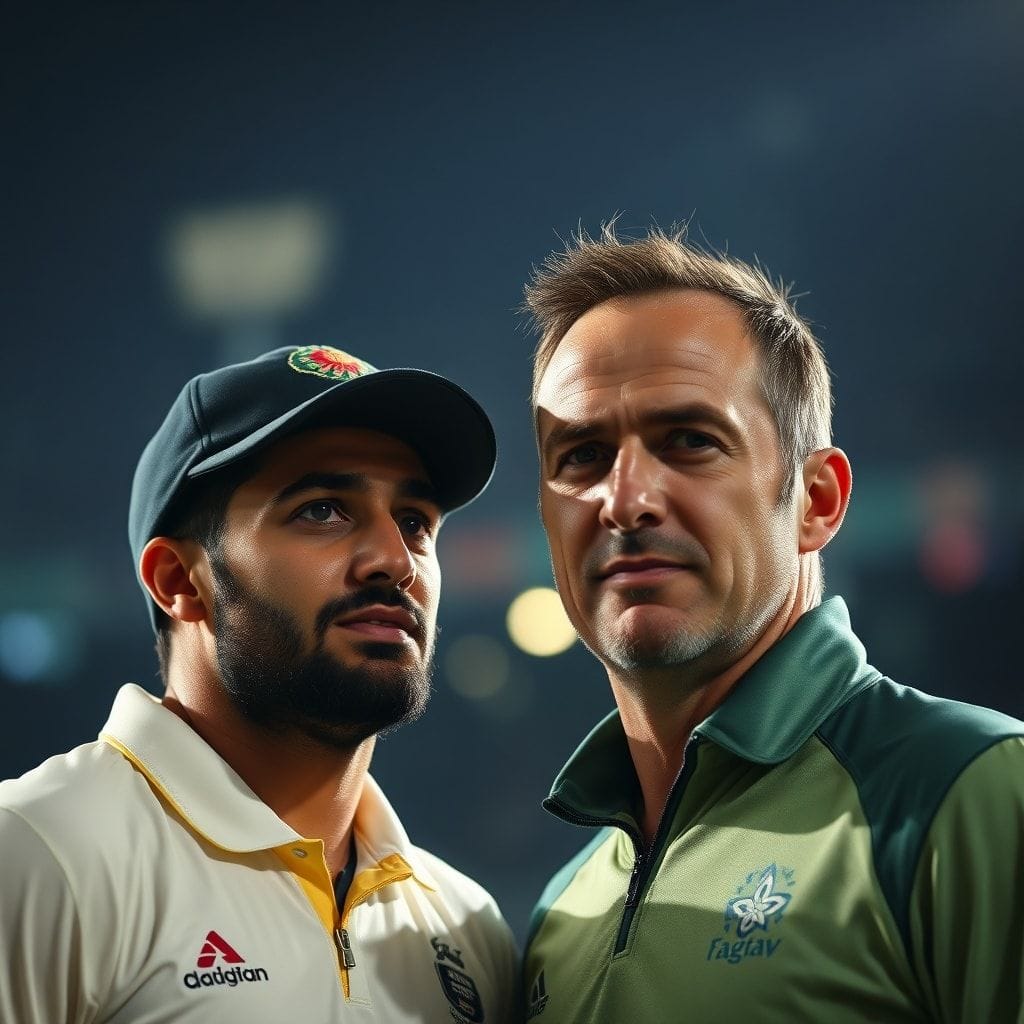
Afghanistan Bids Farewell to Coach Trott with Dominant Win Over Canada
Afghanistan bid a heartfelt farewell to head coach Jonathan Trott with an 82‑run demolition of Canada at the M.A. Chidambaram Stadium. The win came in a dead‑rubber match of the 2026 T20 World Cup, yet the emotions and the cricket on display were anything but ordinary.
Match context and the farewell atmosphere
Both teams entered the encounter already out of the Super 8 race, but the occasion carried a different weight. Trott’s four‑year stint has overseen Afghanistan’s rise from Associate obscurity to a side that can chase 200+ with confidence. The Chennai lights gave the perfect backdrop for a story that blended nostalgia with a statement of intent for the future.
Tactical analysis and team decisions
Afghanistan elected to open with a solid top order, but the game changed when Ibrahim Zadran walked to the crease at 44/2. The plan was simple: let him anchor the innings while the middle order accelerated in the death overs. Zadran’s 95* off 64 balls blended selective defence with calculated aggression, a textbook example of pacing a T20 chase. He targeted the short square region, a zone that the Chidambaram pitch offers under lights, forcing Canada to adjust field placements that never quite settled.
Behind Zadran, the young Sediqullah Atal provided the fireworks, hitting 44 in just 21 balls. His ability to clear the relatively low bounce of the Chennai surface meant Afghanistan could keep the run rate soaring without exposing Zadran to needless risk. The decision to keep the strike with Zadran in the final overs paid off; he launched seven fours and five sixes, pushing the total past the 200 mark.
When Canada began their chase, Afghanistan’s bowling strategy hinged on spin. The turning nature of the Chennai wicket, especially under floodlights, was a well‑known asset. Mohammad Nabi, who once dominated sub‑continental turns, opened the spell with a tight line and subtle variations. His four wickets for just seven runs shattered Canada’s middle order, turning a modest 70/2 into a collapse that never recovered.
Player roles and mindset
Zadran entered the innings with the mental picture of a “run‑builder, then a finisher.” He resisted the temptation to go all‑out early, respecting the partnership with Atal. His calm under pressure allowed him to read the field and swing the bat into the gaps that the Canadian bowlers left open.
Atal’s role was to feed off Zadran’s momentum, exploiting the short legs and the soft ground that favoured a lofted delivery. He treated each ball as a chance to stretch the defence, a mindset perfectly suited for a pitch that tends to slow down after 12 overs.
On the bowling side, Nabi approached the game with a veteran’s resolve: hit the right line, vary the pace, and let the surface do the work. Rashid Khan, usually the quick‑fire bowler, switched to a restrictive role, turning his usual attacking style into a miserly economy spell that built pressure in the middle overs.
The Stats Behind the Strategy
| Metric | Afghanistan | Canada |
|---|---|---|
| Total runs | 200/4 | 118/9 |
| Top score | Ibrahim Zadran 95* | Jaskaran Singh 30 |
| Partnership (3rd wicket) | 96 runs (Zadran‑Atal) | — |
| Economy (best bowler) | Mohammad Nabi 4/7 (1.75) | — |
| Boundaries (Afghanistan) | 15 fours, 9 sixes | 6 fours, 1 six |
These numbers underline how Afghanistan turned the match into a batting showcase before flipping the script with spin dominance. The partnership of 96 runs accounted for nearly half the target, while Nabi’s sub‑2‑run economy crippled Canada’s chase.
Venue‑specific links
The Chidambaram Stadium, with its red‑brown loam and a tendency to offer grip under lights, suited both Zadran’s square‑leg scoring and Nabi’s turn‑inducing deliveries. The surface’s low bounce after the powerplay meant that attacking the short side was less risky, a factor Zadran exploited with precision.
Tournament impact and what comes next
Finishing third in the so‑called ‘Group of Death’ gives Afghanistan a morale boost heading into the ODI World Cup qualifiers for 2027. The performance proved that the side can post and defend 200+ against any opposition, a benchmark that will be crucial in longer formats where partnership building matters more.
Coach Trott’s departure marks the end of a transformative era, but it also opens the door for a new chapter. The board’s next move will likely focus on preserving the aggressive batting mindset while nurturing spin talent like Nabi and the emerging pace spearhead Rashid Khan.
Fan perspective and grounded opinions
Social media buzz captured a mix of nostalgia and pride. Long‑time supporters highlighted Trott’s emphasis on mental toughness, while younger fans cheered the sheer entertainment of a 200‑run total. Critics, questioned the relevance of a dead‑rubber win, noting that the real test comes the upcoming qualifiers.
What’s clear is that the emotional weight of the farewell added an extra layer of intensity. Players celebrated each wicket and boundary as if it were a milestone in Trott’s tenure, turning a routine group‑stage match into a memorable showcase of Afghanistan’s evolving cricket identity.
Cricket Desk: Want more on Afghanistan cricket? Check out our Afghanistan cricket Latest News & Stats.