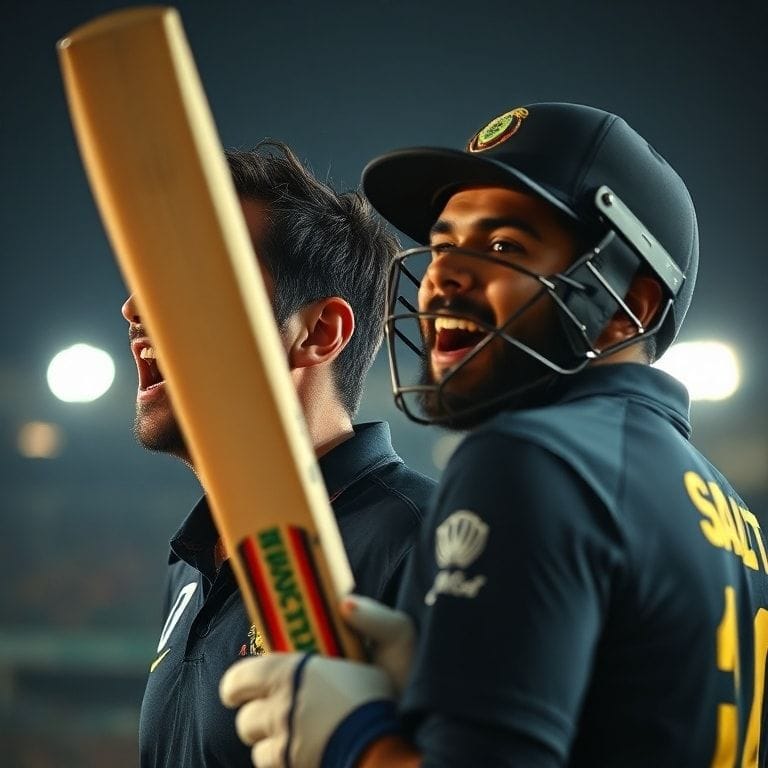
RCB’s 240-run win at Wankhede: Tactical breakdown and key performances
RCB’s Dominant Win at Wankhede: Tactical Breakdown and Player Performances
Royal Challengers Bengaluru turned the Wankhede into a fireworks display, posting 240/4 against Mumbai Indians and then defending the total with disciplined bowling. The win not only lifted RCB in the points table but also highlighted the new breed of finishers the franchise has nurtured.
The Stats Behind the Strategy
| Player | Runs | Balls | SR | Boundaries |
|---|---|---|---|---|
| Phil Salt | 78 | 36 | 216.7 | 6 fours, 6 sixes |
| Rajat Patidar | 53 | 20 | 265.0 | 4 fours, 5 sixes |
| Tim David | 34 | 16 | 212.5 | 1 four, 4 sixes |
Wankhede’s short-boundaries and a pitch that offered a little bounce made the middle of the ground a perfect launchpad for power hitters. Salt’s early onslaught used the high-pace outfield, while Patidar’s quick-fire cameo exploited a lag in the seamers’ lengths after the 10th over.
Tactical Analysis and Team Decisions
RCB’s decision to open with Salt, a player known for taking on bowlers from ball one, forced Mumbai’s new-ball pair to bowl wider. The early sixes built a psychological edge, allowing Virat Kohli to settle at 50 with minimal pressure. In the second half, the captain shuffled the batting order, slotting Patidar at five to capitalize on the middle overs when the bowlers were transitioning from opening spells to death overs. This move paid off; Patidar’s aggression broke the rhythm that Mumbai’s pacers were trying to establish.
On the bowling side, RCB kept a mix of experience and youth. Suyash Sharma’s two wickets in the death overs came from a subtle change of grip that added extra swing on the Wankhede surface, which tends to retain moisture late in the day. Krunal Pandya and Rasikh Dar Salam were used as surprise change-overs, each delivering a wicket at crucial junctures to stall the chase.
Player Roles and Mindset
Salt approached the innings like a one-day show-off—every ball was a statement. His willingness to swing the bat for the six showed confidence that the Wankhede’s outfield would reward him. Kohli, ever the anchor, kept the strike rotating, ensuring that the runs kept flowing even when the boundary opportunities dried up.
Patidar entered with a clear mission: break the middle-over shackles. By targeting the seamers’ lengths, he forced them to rethink their line, opening up room for David’s finishing surge. David’s role was pre-planned as a finisher; his 34 off 16 kept the run-rate hovering above 12, a figure that gave RCB a cushion against any late-game comeback.
For Mumbai, Sherfane Rutherford embodied the chase-fighter archetype. His 71 off 31 was a textbook example of a player hunting in the death, but the lack of support earlier meant the required rate was already too high. Hardik Pandya’s 40 off 22 was a captain’s attempt to steer the ship, but the wickets fell too quickly for a sustained push.
Tournament Impact and What Comes Next
With 18 points earned, RCB climbs into the top three, tightening the race for a playoff berth. The win also signals that the team’s middle order, which many critics called a weakness, can now deliver under pressure. The next fixture sees RCB travelling to Hyderabad, where a slower track will test the adaptability of both the batting power-play and the death bowlers.
Mumbai, meanwhile, sits on the back-foot of the table. Their batting line-up proved capable of explosive starts but lacked depth when wickets fell. The management will likely revisit the batting order, perhaps promoting a finisher up the ladder to ensure the chase stays on level terms earlier in the innings.
Fan Perspective and Grounded Opinions
Social media lit up with clips of Salt’s and Patidar’s boundaries. Fans praised the timing of the innings, noting that a 240 target at Wankhede is historically challenging. The consensus was that RCB’s blend of power hitting and disciplined bowling gave them an edge that many other franchises still search for.
Critics, pointed out that RCB’s bowlers were a little expensive in the middle overs, and that the win relied heavily on a handful of big hits. If the pitch slows down in the next game, the team may need to adapt their strategy, perhaps focusing more on spin options.
the match reinforced the narrative that IPL 2026 is moving beyond the era of single-star teams; depth, versatility, and the ability to switch roles mid-game are the new hallmarks of success.
Cricket Desk: Want more on cricket tactical analysis? Check out our cricket tactical analysis Latest News & Stats.