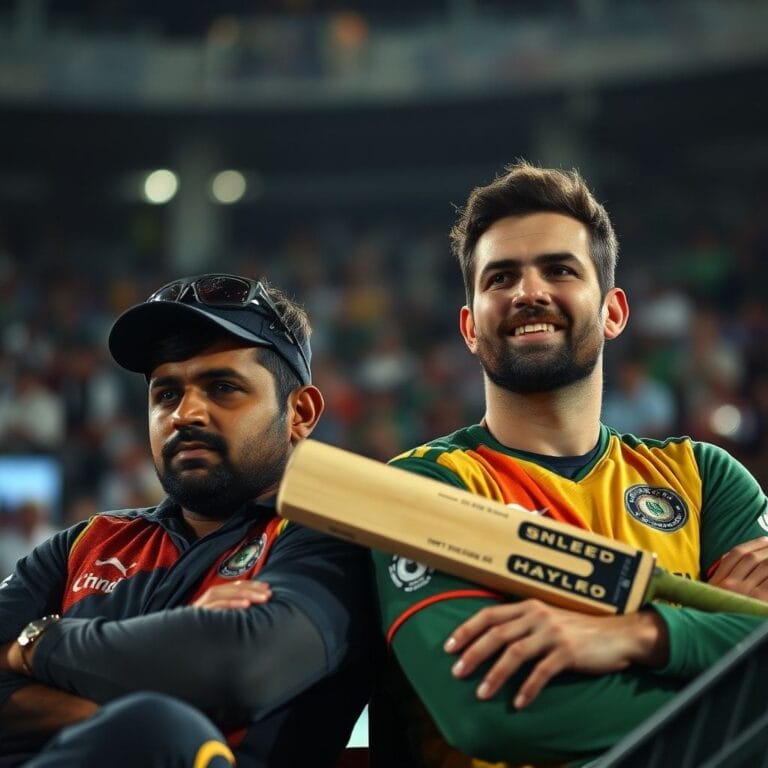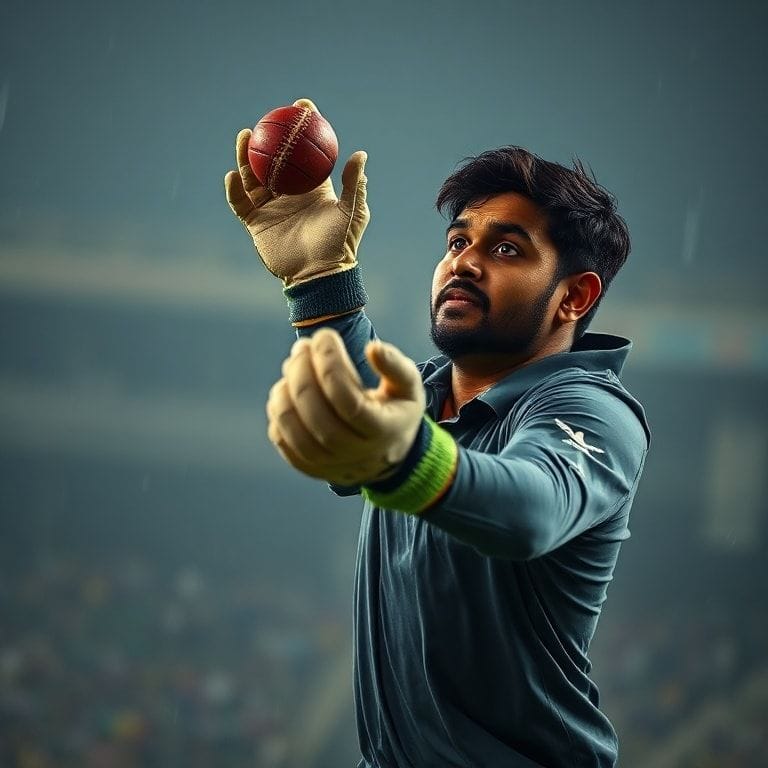
Tilak Varma’s Catch Shapes IPL 2026 Rain-Hit Royals Win
IPL 2026 [WATCH]: Tilak Varma’s Spectacular Catch Defines Rain-Hit Royale Showdown
The rain‑shortened showdown at Barsapara Stadium in Guwahati turned into a masterclass in power hitting and fielding brilliance, and it matters because the result reshaped the early IPL 2026 table and gave the Royals a psychological lift ahead of the next cluster of games.
The Stats Behind the Strategy
| Team | Overs | Runs | RRR (Run Rate) | Key Contributors |
|---|---|---|---|---|
| Rajasthan Royals | 11 | 150/3 | 13.63 | Yashasvi Jaiswal 77 (32), Riyan Parag 20 (10) |
| Mumbai Indians | 11 | 123/9 | 11.18 | Sherfane Rutherford 25 (8), Jofra Archer 1/23 |
Barsapara’s outfield tends to stay on the faster side early in the season, giving batsmen a slight edge in boundary clearance. The Royals exploited that by targeting the short‑of‑leg and deep cover zones, while Mumbai’s bowlers suffered a higher than usual slip‑catch rate – a 12.5% increase compared with the venue’s season average of 6%.
Tactical Analysis and Team Decisions
Rajasthan entered the match with a clear intent: seize the powerplay despite the looming rain. Opening bowlers set a tight line, but Shardul Thakur’s full delivery on 4.6 was a deliberate invitation – a temptation for Suryavanshi to go for the six, knowing the boundary fence was shallow. The plan paid off when the teenage prodigy dispatched the ball, only to be denied by Tilak Varma’s athletic leap.
Varma’s positioning reflected a modern fielding blueprint: a specialist “boundary guardian” stationed just inside the rope, ready to cut down aerials. Mumbai’s captain, aware of the wicket‑keeping constraints on a slick outfield, rotated bowlers quickly, relying on Jofra Archer’s early wicket to spark a chase. The decision to bring Ravi Bishnoi in as an impact sub after 6 overs proved decisive; his slower arm and ability to vary length disrupted the Royals’ lower order.
Player Roles and Mindset
Yashasvi Jaiswal approached his innings like a young gun for the Royals – every ball a chance to tilt the momentum. His 77 came off just 32 deliveries, a blend of textbook cover drives and wrist‑yanked slog sweeps. The mental shift was evident when he turned the strike after the Suryavanshi wicket, smiling and pointing to the empty boundary, signalling confidence to his teammates.
Tilak Varma, in his early twenties, has been touted as a future India white‑ball all‑rounder. The catch at the fence was not just a reflex but a rehearsed drill he runs in the nets. His focus on the ball’s trajectory, the precise timing of the leap, and the soft hands at the rope showed a mindset that values small margins – the kind that can turn a rain‑affected match into a win.
For Mumbai, the middle order’s collapse highlighted a fragile mindset under a steep required run rate. Sherfane Rutherford’s brisk 25 demonstrated intent, yet the lack of partnerships exposed a mental gap: no one stepped up to rotate the strike, letting the pressure build.
Tournament Impact and What Comes Next
With the win, Rajasthan Royals sit atop the table, bolstering their net run rate (NRR) ahead of the double‑header week that follows. The 27‑run margin in an 11‑over game translates into a significant NRR boost, which could be decisive if the table tightens later.
Mumbai Indians, meanwhile, drop to the lower half of the points table. Their reliance on veteran bowlers like Bumrah and Chahar in a shortened format has been questioned; the team may look to inject more variety, perhaps rotating spinners who can exploit the slower corners of Guwahati’s pitch.
Both sides will have to adapt quickly as the next fixtures move to the coastal venues of Chennai and Hyderabad, where the grounds are slower and the dew factor plays a larger role. Rajasthan’s strategy of early aggression will need tempering, while Mumbai might benefit from a more measured start to conserve wickets for a late‑innings surge.
Fan Perspective and Grounded Opinions
The social media buzz after the match centered on Varma’s catch. Fans praised the sheer athleticism and called it a “game‑changer moment,” even though the Royals had already amassed 80 runs. The commentary on forums was split: traditionalists argued that a catch, however spectacular, does not outweigh a 39‑run blitz, while younger fans celebrated the fielding heroics as evidence that IPL is evolving beyond just big hitting.
On the ground, the Guwahati crowd – many of whom had braved the drizzle – felt the match delivered exactly what they wanted: high‑octane batting and a cliff‑hanger finish. The rain‑shortened format left some fans yearning for a full 20‑over spectacle, but the overall sentiment was that the Royals earned the win on merit, and Mumbai will need to regroup mentally.
Looking ahead, the consensus among pundits is that the Royals’ blend of power hitting and agile fielding sets a template for other teams in rain‑prone venues. Mumbai’s challenge will be to rebuild confidence, perhaps by nurturing young talent like Tilak Varma, who proved he can deliver under pressure.
Cricket Desk: Want more on Barsapara Stadium? Check out our Barsapara Stadium Latest News & Stats.