RCB vs CSK IPL Match: Stats, Tactics and Key Moments
RCB vs CSK Showdown: Fire, Fury, and a Moment of Respect
The showdown between Royal Challengers Bengaluru and Chennai Super Kings at Chinnaswamy Stadium turned into a textbook lesson in aggression, respect and tactical nuance. A 43‑run win not only lifted RCB to the summit of the table but also gave fans a glimpse of how pressure can forge brilliance.
The Stats Behind the Strategy
| Team | Runs | Wickets | Overs | Key Contributors |
|---|---|---|---|---|
| RCB | 250 | 3 | 20.0 | Tim David 70 (25), Rajat Patidar 48* (18), Bhuvneshwar Kumar 3/41 |
| CSK | 207 | 10 | 19.4 | Sarfaraz Khan 48 (13), Jamie Overton 37 (12), Prashant Veer 43 (21) |
RCB’s run‑rate of 12.5 runs per over dwarfed CSK’s 10.4, reflecting the intent behind the opening partnership. Bhuvneshwar’s early breakthroughs (0/6, 1/12) forced CSK into a chase that never settled. On the batting side, Tim David’s strike‑rate of 280 eclipsed the league average of 155, a clear signal that the Bengaluru side chose fire‑power over consolidation.
For the Yellow Army, Sarfaraz’s 48 came at a strike‑rate of 196, a stark contrast to the team’s usual 140‑150 range. His five fours in the first eight balls highlighted a willingness to stretch the field early, a trait rarely seen from a player who spent most of his IPL life at the middle order.
Match Context and Tactical Choices
RCB won the toss and elected to bat, a decision anchored in Chinnaswamy’s reputation as a run‑factory under lights. The surface, a dry red‑soil strip, offers true bounce early and eases onto a slower finish. RCB’s opening pair of Phil Salt and Devdutt Padikkal respected the conditions, plugging the initial gaps with sensible 45‑run partnerships.
When the first wicket fell at 88, the captain’s gamble to promote Tim David to No 3 paid instant dividends. David’s leg‑glance and loft capitalised on the slightly worn cover, turning the pitch into a scoring canvas. The choice to send Rajat Patidar at No 5 gave him freedom to sweep and loft, a strategy that paid off as he ran out of partners quickly, finishing unbeaten.
CSK’s response began with a conventional top‑order approach, but early wickets at 7/1 and 28/2 forced Stephen Fleming to reshuffle the batting order. The decision to bring Sarfaraz up at No 4 was tactical – a player comfortable against short deliveries and capable of launching on the slower part of the wicket.
Player Roles, Mindset and Venue Linkage
Tim David thrives on quick‑fire pitches where the ball comes onto the bat with little effort. Chinnaswamy’s dry surface suits his ability to generate power without heavy footwork. His eight sixes in 25 balls were a direct product of that match‑up.
Rajat Patidar, known for his improvisation on turning tracks, adapted by playing late, using the slower fourth‑day bounce to find gaps. His 48* anchored the latter half of the innings, ensuring RCB crossed 250 before the loss of wicket three.
Sarfaraz Khan, a Mumbai‑grown batsman used to the Indian subcontinent’s varied pitches, used his scoop effectively on the shorter boundaries at Chinnaswamy. He timed the ball into the leg‑side grass, a move that often works on the stadium’s gentle slope.
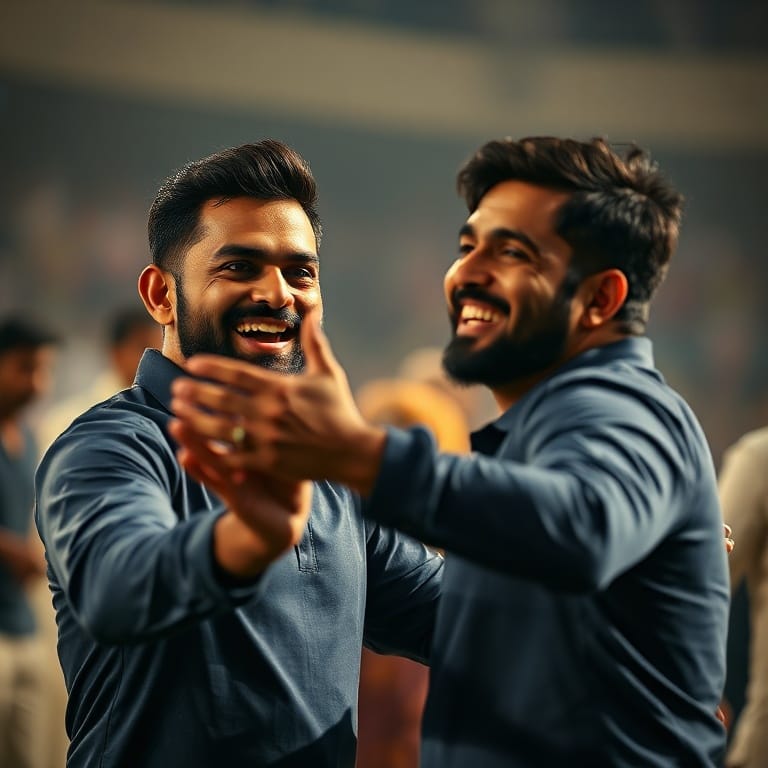
Virat Kohli’s applause was not a scripted gesture; it emerged from a deep understanding of the mental battle Sarfaraz endured. Watching a former teammate fight against a steep target, Kohli’s whistle‑like applause captured the camaraderie that underpins cricket’s spirit.
Impact on the Tournament and What Comes Next
RCB’s surge to the top reshapes the early league narrative. With a net run‑rate above +1.5, they now sit in a position to dictate terms in the second half of the season. Their batting core – David, Patidar, and the ever‑reliable Umesh Yadav (if he joins later) – suggests a strategy built around explosive starts and a deep bench of finishers.
CSK, meanwhile, faces a rebuilding challenge. The early loss of key wickets exposed a fragile top order, and the reliance on a lone counter‑attack from Sarfaraz highlighted a lack of depth. Fleming’s next move will likely involve reshuffling the batting order, perhaps promoting Ruturaj Gaikwad to open alongside an aggressive selected pinch‑hitter.
Both sides have a fortnight before their next match, a window that will test coaching acumen. RCB’s bowlers, especially Bhuvneshwar, must refine death‑over plans to defend totals above 250 consistently. CSK’s bowlers need to find ways to extract movement on a pitch that flattens as the night deepens.
Fan Perspective and Grounded Opinions
Stadium chatter turned into a chorus when Kohli halted his celebration to applaud Sarfaraz. Social media erupted with clips titled “Respect on the field,” underscoring how the moment transcended the result. Fans appreciated the raw honesty – a champion acknowledging a challenger’s grit.
On the ground, the Bengaluru crowd was split: some roared for the fireworks, others nodded at the sportsmanship on display. The sentiment mirrors a larger shift in IPL culture where aggressive play coexists with reverence for the opponent.
Looking ahead, supporters of RCB are hopeful that the team can sustain this high‑octane approach without burning out the middle order. CSK’s faithful, still yearning for a win, see Sarfaraz’s innings as a sign that the team can still produce moments of brilliance, even when the odds are stacked.
In a league where every match can pivot a franchise’s destiny, the RCB‑CSK contest reminded us that cricket is as much about the stories woven between the wickets as it is about the runs on the scoreboard.
Cricket Desk: Want more on Chinnaswamy Stadium? Check out our Chinnaswamy Stadium Latest News & Stats.