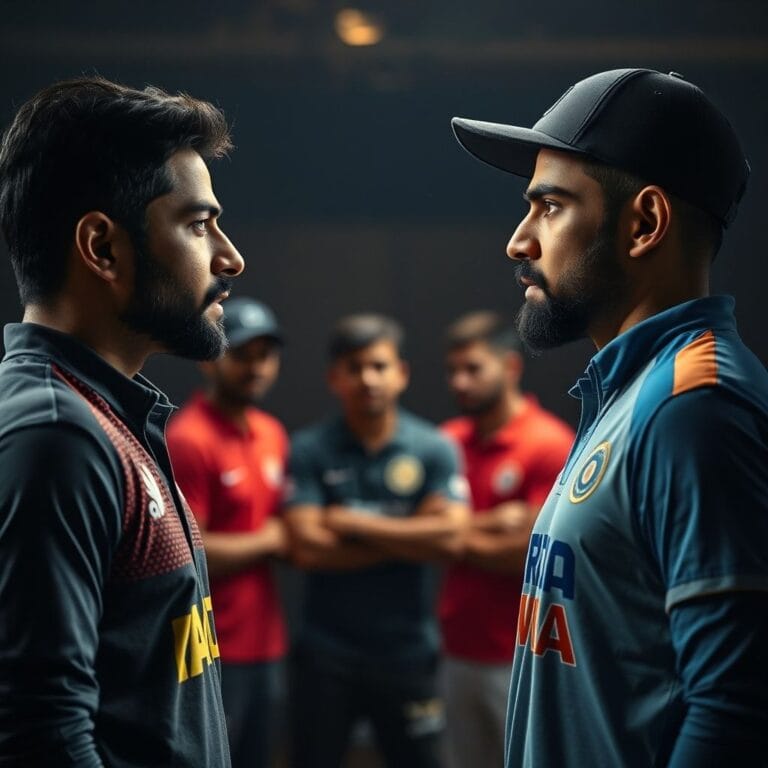
How Cricket Broadcasting Changes Are Reshaping Fan Engagement
Behind the Mic: How Broadcasting Changes Are Shaping Cricket’s Narrative
In the ever-evolving world of cricket media, recent behind-the-scenes shifts are quietly altering how fans experience the game. A high-profile change in broadcast personnel has sparked debate—not just over personalities, but over what it means for storytelling, fan connection, and long-term viewer loyalty.
The Stats Behind the Strategy
| Broadcast Channel | Avg. Viewership (Millions) | Social Media Mentions (Monthly) |
|---|---|---|
| Star Sports | 8.4 | 120K |
| Disney+ Hotstar | 6.9 | 95K |
| Sony Sports | 5.3 | 78K |
Numbers alone don’t tell the full story, but they do offer insight into where attention lies. With changing anchors comes a shift in tone, pacing, and presentation style—all elements that subtly shape how audiences perceive matches, especially during high-stakes tournaments like the IPL or international series.
Take Punjab Kings’ home games in Mohali, for instance. Historically, these matches have drawn commentary styles that lean into local flavor—mentioning past legends who once graced the pitch or referencing weather patterns unique to the region. When familiar voices guide viewers through such moments, the emotional resonance deepens. Now, with new faces taking control, even seasoned cricketers like Shikhar Dhawan or Liam Livingstone might feel slightly less connected to their on-air portrayal.
Venues carry memories, and when broadcasters understand those nuances, storytelling becomes richer. Think of Eden Gardens and the roar of Kolkata crowds—it takes someone who knows the ground’s rhythm to translate that energy across screens. Similarly, Chennai’s MA Chidambaram Stadium thrives under commentators who recognize spin-friendly conditions and slow pitches that reward patience.
This isn’t merely about optics—it’s about anchoring narratives in real context. Anchors serve as bridges between action and audience. Their word choices, timing, and familiarity with playing conditions directly affect how fans engage. If a broadcaster misreads the pace of a low-turnout Test match or fails to highlight key historical matchups, casual viewers may lose interest altogether.
Fan reactions on platforms like Twitter reveal a pattern. Posts spike whenever controversial decisions hit the headlines, but sustained engagement often correlates with trusted voices delivering consistent, insightful coverage. That trust isn’t built overnight—and losing it can mean slipping ratings, particularly among loyal followers of regional teams whose identities are tightly bound to broadcast traditions.
It’s easy to overlook off-field dynamics, yet they play a vital role in shaping modern cricket culture. As networks recalibrate their approach, the challenge remains: maintain freshness without sacrificing familiarity. Because ultimately, whether it’s a seamer-friendly track in Pune or a batting paradise in Bangalore, the right voice makes all the difference in bringing out what truly matters—the cricket itself.
Cricket Desk: Want more on cricket broadcasting? Check out our cricket broadcasting Latest News & Stats.