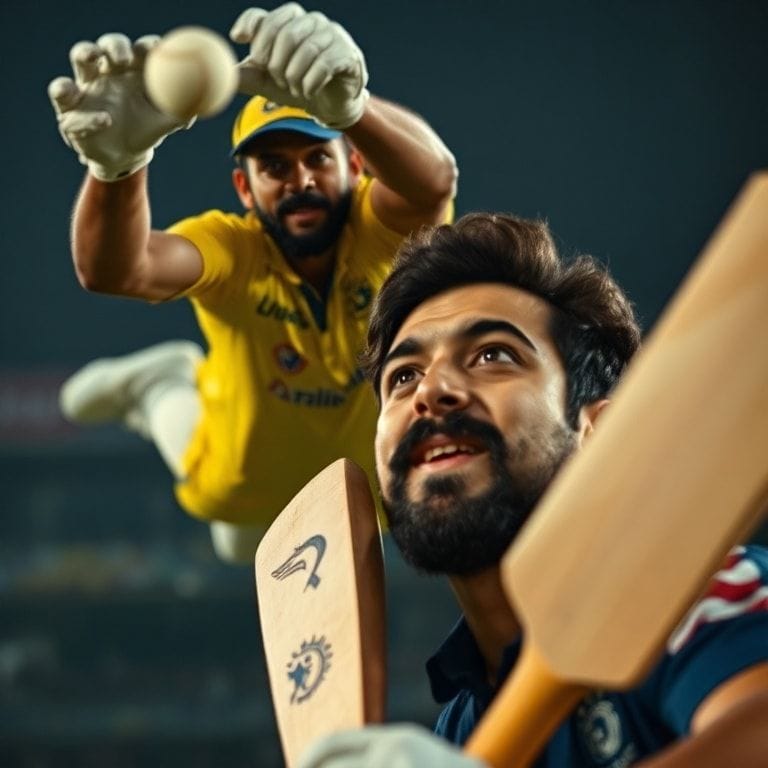
PM Modi Praises Auqib Nabi Ahead of IPL 2026 Delhi Capitals Debut
Auqib Nabi Earns Special Mention from PM Narendra Modi Ahead of IPL 2026 Debut for Delhi Capitals
Auqib Nabi’s name just surged into the national conversation after Prime Minister Narendra Modi praised the Kashmir pacer during his Mann Ki Baat. The blend of politics and sport adds a fresh pressure cooker for the youngster as he steps onto the Delhi Capitals’ roster for IPL 2026.
Delhi’s campaign this season rests on a clear-cut vision: a balanced attack that can swing the game in the middle overs and a death-over unit that squeezes runs. Nabi’s arrival is the missing piece that ties the plan together. The Capitals’ management sees a bowler who can extract bounce on a green-top wicket and still dominate on slower surfaces, making him a versatile weapon in a tournament that travels from Gujarat to Tamil Nadu.
From a tactical standpoint, the Capitals have always leaned on a ‘four-bowler’ philosophy, rotating pacers to keep the opposition guessing. With the addition of Nabi, head coach Ricky Ponting can now field a five-bowler setup without compromising on quality. The plan is simple: open with the swing-heavy Amit Mishra, let Nabi take over the second spell, and let the spinners tighten the middle overs. In the death overs, the duo of Avesh Khan and Rahul Tripathi will finish the job.
The decision to slot Nabi into the second spell isn’t random. Delhi’s home ground, Arun Jaitley Stadium, offers a hard, dry surface that rewards bowlers who can generate early movement. The wicket tends to flatten after the third over, but a sharp seamer can still menace batsmen with a short-run-up, especially under lights. Nabi’s height and wrist position enable him to hit the deck hard, making the ball jump in the early phase.
When you watch his Ranji spell, the numbers tell a story that goes beyond raw wicket tallies. He tossed 60 wickets in 17 innings at an economy of 2.65, a strike rate of 28. That rhythm translates well to T20, where a bowler who can swing the ball early and then settle into a tight line is priceless. His white-ball record – 14 wickets in the Vijay Hazare Trophy at 5.77 econ and 15 in the Syed Mushtaq Ali Trophy at 7.55 econ – proves he can adapt his line and length to the faster pace of limited-overs cricket.
The Stats Behind the Strategy
| Format | Matches | Wickets | Economy | Strike Rate |
|---|---|---|---|---|
| Ranji (Red) | 17 | 60 | 2.65 | 28 |
| Vijay Hazare (List A) | 7 | 14 | 5.77 | 30 |
| Syed Mushtaq Ali (T20) | 7 | 15 | 7.55 | 18 |
What the table shows is a bowler who can maintain a low economy while staying in the striking zone. In the IPL context, an economy under eight is often the difference between a win and a loss, and Nabi’s strike rate suggests he will keep the scoreboard ticking.
Beyond numbers, the mental makeup matters. Nabi’s big-game temperament shone in the Ranji knock-outs where he delivered back-to-back five-wicket hauls, including a 7/40 in the final. Those performances were on pressure-cooker pitches that demanded both skill and composure. Such experiences will help him handle IPL’s high-octane moments, especially when the Capitals need a breakthrough early.
Fans across the valley have already turned Nabi into a symbol of possibility. For many, his rise mirrors a broader narrative of Kashmir’s integration through sport. The Prime Minister’s nod has amplified that sentiment, turning a cricketing debut into a cultural event. On social media, hashtags celebrating Nabi’s contract have trended alongside discussions about the Capitals’ title chances.
From the Capitals’ perspective, the bid was a calculated gamble. Rajasthan Royals and Sunrisers Hyderabad both sensed his potential, sparking a bidding war that landed Delhi with an 8.40-crore contract. The fee is not just a financial statement; it signals the franchise’s belief that a seam-bowler of his calibre can tilt matches in a league dominated by big-hitters.
Looking ahead, the IPL schedule commences in April at the coastal stadium of Rajiv Gandhi International Cricket Stadium, Hyderabad. The opening matches will be on a slower surface, favouring spinners and low-pace swing. Nabi will likely have to adapt quickly, using his ability to vary pace and cut the ball off the seam. As the tournament moves north to Guwahati and Kolkata, the pitches become greener, giving him the perfect platform to unleash his full seam repertoire.
The Capitals’ route to the playoffs hinges on the synergy between Nabi and the existing attack. If they manage to extract early wickets, the middle order will have room to accelerate without fear. If they can keep runs down in the death overs, the side’s chase will be less frantic, allowing creativity at the top.
For the Kashmiri supporters watching from Srinagar’s Maulana Azad Stadium, this feel-good story is a contract. It’s about a boy from a valley where cricket fields are a rarity, now wearing the colours of a league-giant. The pride is palpable, and the expectations are high.
All eyes will be on the opening match when the Capitals unleash Nabi on a humid Delhi evening. Will he bow a disciplined spell and set the tone, or will the lights and the weight of a PM’s commendation overwhelm him? The answer will shape not just his first few games but also the narrative of a region finding its voice through a fast bowler’s run-up.
Cricket Desk: Want more on Auqib Nabi? Check out our Auqib Nabi Latest News & Stats.