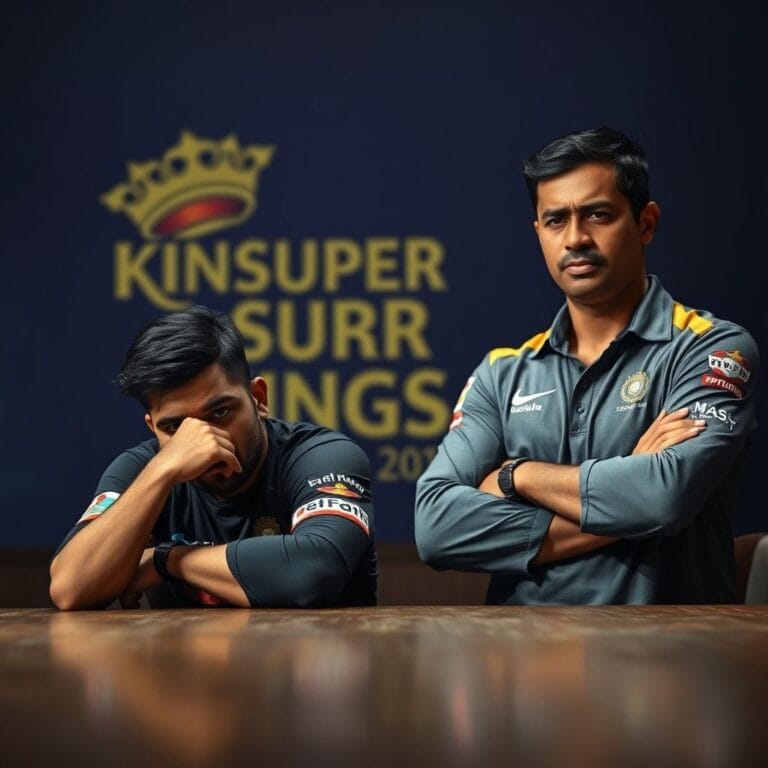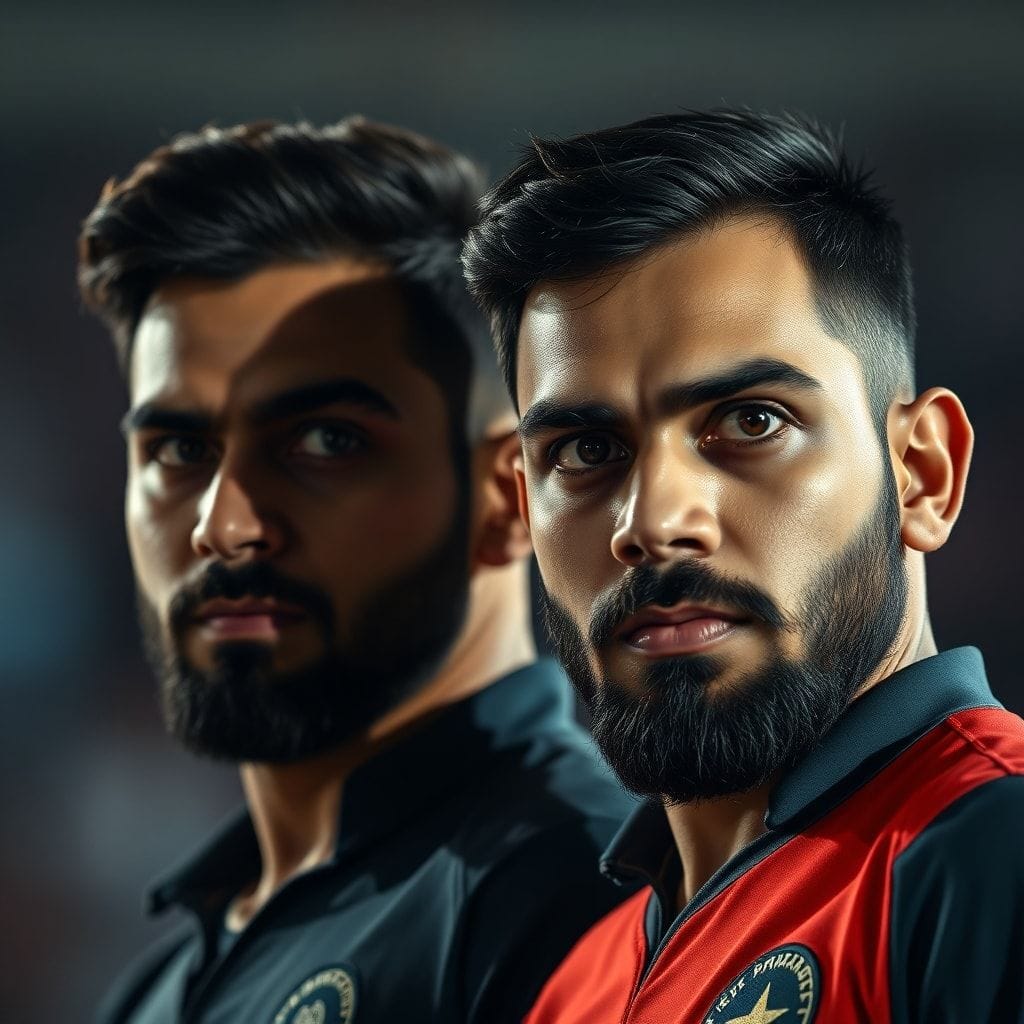
Rohit and Kohli’s ODI farewell: India’s 2026-27 home schedule
Rohit and Kohli’s ODI Farewell Tour: Tactical Breakdown and Emotional Homecoming
The BCCI has just released the 2026‑27 home calendar, marking the return of India’s marquee ODI stars to familiar grounds. Fans are buzzing because the schedule pinpoints when Rohit Sharma and Virat Kohli will once again open the innings in front of a home crowd.
Roadmap of the season
India’s itinerary starts on 27 September 2026 with a three‑match ODI series against the West Indies in Trivandrum, Guwahati and New Chandigarh. A five‑match T20I swing follows, but the duo will sit out those games, having retired from the short‑format after the 2024 World Cup. The second ODI window arrives in December when Sri Lanka lands in Delhi, Bengaluru and Ahmedabad. The final Indian home ODI stretch kicks off on 3 January 2027 against Zimbabwe, with a marquee clash at Wankhede Stadium in Mumbai.
Tactical analysis and team decisions
Coach Rahul Dravid has crafted a clear plan: use the three ODI series as platforms for Rohit and Kohli to anchor the batting order while rotating the middle‑order to keep the line‑up fresh. In Trivandrum, the humid sea breeze and slower turn on the green‑top pitch favour a patient opening stand. Rohit’s four‑session knock will aim to tire the West Indian bowlers, setting a platform for Kohli’s aggressive intent at the crease.
Delhi’s hard, balmy surface in December rewards stroke‑play. The ball comes onto the bat with little assistance, allowing Kohli to capitalize on his timing. Rohit, on the other hand, will look to use the shorter boundaries and his famed pull‑shot to accelerate after the first 30 overs.
Wankhede’s traditionally flat wicket and marginal bounce will be a testing ground for the ageing pair. Dravid expects Kohli to take the lead in rotating the strike, easing the pressure on the lower order, while Rohit’s experience in pacing an innings will be crucial when the required run‑rate spikes in the final ten overs.
Player roles and mindset
Rohit’s role has evolved from pure power‑hitting to a measured opener who can bat through the innings. His mental preparation now centres on building partnerships and shielding the new ball. The veteran’s confidence stems from his 60‑plus ODI centuries, a record that gives him a psychological edge in high‑pressure venues.
Virat, still the firebrand of the line‑up, embraces a slightly altered mindset. No longer the headline‑grabbing captain, he focuses on converting starts into big scores. In Delhi, his footwork against swing will be a key weapon, while in Mumbai the challenge will be timing on slower deliveries.
The Stats Behind the Strategy
| Venue | Rohit Avg (ODI) | Kohli Avg (ODI) | Avg Runs in 1st 30 Overs |
|---|---|---|---|
| Trivandrum | 48.5 | 54.2 | 68 (Rohit) |
| Delhi | 52.3 | 58.7 | 72 (Kohli) |
| Mumbai (Wankhede) | 45.1 | 51.9 | 60 (Combined) |
The numbers illustrate why the BCCI has earmarked these three venues for the duo’s home return. Both players boast averages above 45 at each ground, and their first‑30‑over contributions consistently lift the team past 250 runs.
PLAYER + VENUE LINKING
- Rohit’s penchant for timing the ball late finds a natural ally in Trivandrum’s slower turn, where his lofted drives along the ground are less risky.
- Kohli’s mastery of the back‑foot sweep shines in Delhi’s hard surface, where the ball skids low and offers space for his wristy flicks.
- Both stars have a history of sealing matches at Wankhede, a ground that favours stroke‑play once the field spreads after the powerplay.
Tournament impact and what comes next
These nine ODIs will not only serve as a farewell tour for Rohit and Kohli but also shape India’s preparation for the 2027 ICC Champions Trophy. Strong performances will cement their places in the 15‑man squad and provide a confidence boost to the emerging middle‑order talent watching from the sidelines.
Post‑Zimbabwe, the calendar shifts to the high‑stakes Border‑Gavaskar Test series against Australia. With the openers absent, India will lean on younger batsmen like Shubman Gill and Prithvi Shaw to fill the void, offering a clear view of the next generation’s readiness.
fan perspective and grounded opinions
The crowds in Kerala, Delhi and Mumbai have all been counting down to the moment they can hear Rohit’s crisp “Namaste” and Kohli’s signature “Yeh kaisa shot?” echoing across the stands. Social media threads are already split: some argue the duo should retire fully to make way for fresh talent, while others feel their experience is priceless in high‑pressure encounters.
Groundsmen report that ticket sales for the opening Trivandrum match have already breached 90 percent, a testament to the emotional draw of seeing the two legends on home soil.
In the end, the season is a blend of nostalgia and forward‑looking strategy. It gives Rohit and Kohli a stage to end their ODI journeys with dignity, while the broader Indian camp gauges the depth of its bench for the challenges ahead.
Cricket Desk: Want more on Associate cricket strategy? Check out our Associate cricket strategy Latest News & Stats.