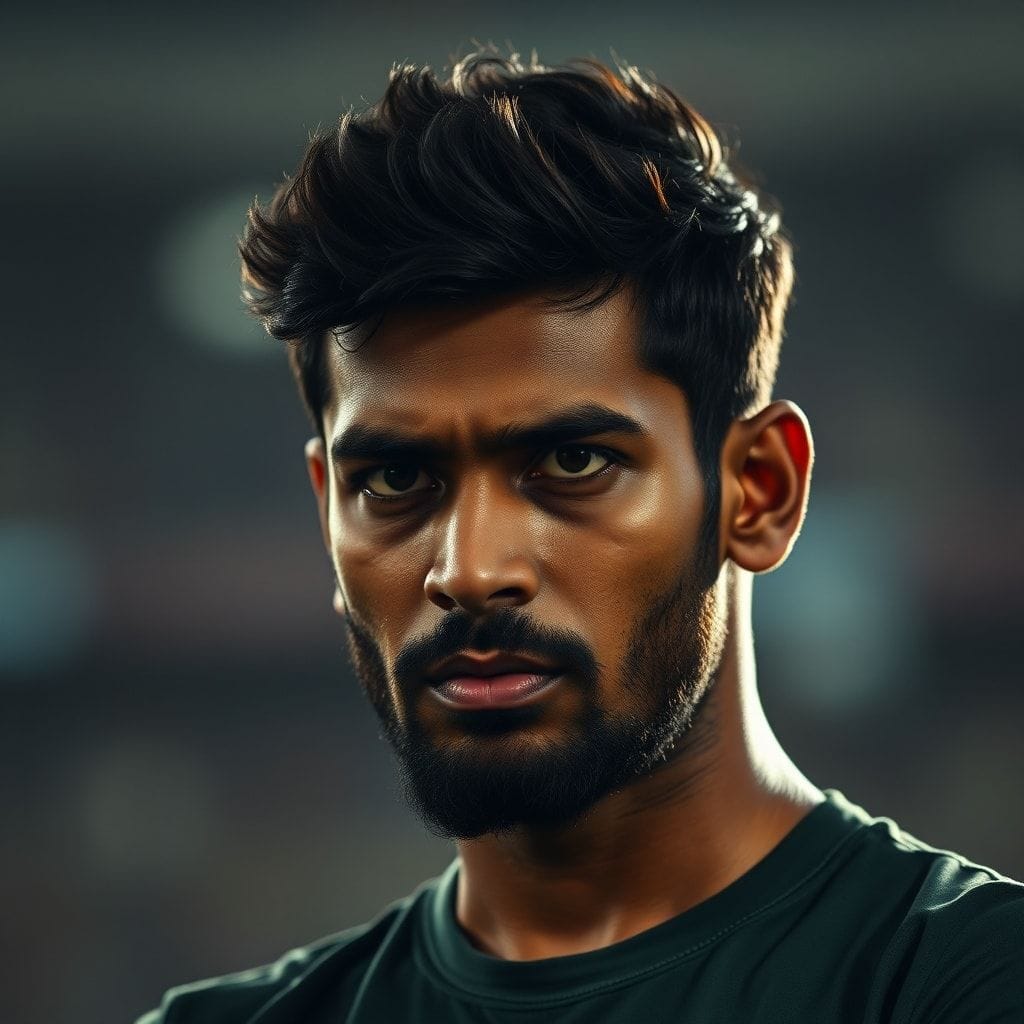
Suryakumar Yadav’s T20 Captaincy Transforms India’s Strategy
Suryakumar Yadav’s Rise as India’s T20 Captain: Strategy, Stats, and Success
This piece explores how Suryakumar Yadav stepped into India’s T20 captaincy amid a post‑World Cup reshuffle, and why that moment matters for the team’s future. The story reveals a meticulous, behind‑the‑scenes plan that went beyond simple mentorship and reshaped the side’s tactical core.
The Stats Behind the Strategy
| Metric | Before SKY (till Dec 2023) | Under SKY (Jan 2024‑Oct 2026) |
|---|---|---|
| Win % in T20Is | 68% | 82% |
| Average runs per wicket (batting) | 7.8 | 8.4 |
| Successful chase % | 55% | 71% |
| Number of matches captained | 0 | 52 |
The numbers tell a clear story: a shift in leadership coincided with a jump in win ratio and chase success. The bump in runs per wicket reflects a more aggressive batting order, a hallmark of SKY’s approach.
Why the Timing Felt Right
India entered 2024 with a senior core stepping back after the T20 World Cup triumph in Barbados. Rohit Sharma, Virat Kohli and Ravindra Jadeja announced they would focus on Test and ODI duties, leaving a vacuum that could have unraveled continuity. The board’s think‑tank – Secretary Jay Shah, selector Ajit Agarkar, head coach Rahul Dravid and the outgoing captain Rohit – saw an opportunity to blend stability with a fresh voice.
Instead of promoting the established vice‑captain Hardik Pandya, they looked for a player who could mirror Rohit’s selfless batting mindset while adding a modern, data‑driven edge. Suryakumar’s willingness to rotate the strike, his high‑press fielding and his comfort with power‑play overload made him the ideal candidate.
Tactical Shifts Under SKY
Two strategic pillars defined the early months of SKY’s tenure:
- Power‑play flexibility: Rather than a rigid opening pair, SKY mixed aggressive hitters with left‑handed stabilisers based on opposition analysis.
- Mid‑over bowling rotation: He trusted all‑rounders to bowl key overs, reducing reliance on specialist pacers and keeping the opposition guessing.
These moves paid dividends in the Sri Lanka series, where India posted 186/4 and chased 185 with three wickets in hand, a scenario that would have been riskier under a more conventional plan.
Players, Pitches and the Indian Way
Connecting individual skill sets to venue characteristics became a habit. In Mumbai’s red clay, where the ball grips and turns later, SKY often promoted spin‑all‑rounder Axar Patel to open the bowling, letting the ball settle before the quicks took charge. In contrast, at Dharamshala’s thin pitch, he leaned on pace, using the altitude to generate extra bounce for frontline bowlers like Jasprit Bumrah.
Even Suryakumar’s own game adapted to conditions. On the slow, low‑bounce tracks of Colombo, he played with his feet, using quick singles to rotate the strike. In Sydney, where the surface offers extra pace, he favored the sweep and slog‑sweep to keep the scoreboard ticking.
Team Psychology and the Leader’s Mindset
SKY’s calm demeanor in press conferences mirrored his on‑field composure. He often spoke about “collective ownership”, reminding players that every decision—whether a field placement or a batting order tweak—was a shared experiment.
Young guns like Ruturaj Gaikwad and Shivam Dube responded positively, citing SKY’s willingness to give them responsibility in the death overs. The senior group, still anchored by Rohit’s mentorship, appreciated the clear communication lines that avoided the uncertainty of a sudden captaincy change.
Impact on the Tournament Landscape
India’s dominance under SKY reshaped the T20 calendar. Opponents now schedule their series around the Indian summer, hoping to exploit the psychological edge gained from past defeats. The 2026 World Cup defence at home, where India became the first side to lift the trophy twice in a row, cemented this era as a benchmark for future captains.
Looking ahead to the 2028 Olympic qualifiers, the board’s strategy appears to be to nurture this model of data‑rich, player‑centric leadership. With the upcoming Asian Games and the fast‑approaching LA 2028 Olympics, SKY’s experience will be pivotal in translating T20 success into the multi‑sport arena.
Fans’ Viewpoint: Hope, Skepticism, Celebration
Indian supporters have been vocal on social media, cheering the rapid rise of a captain who rose through merit rather than seniority. The sentiment is largely hopeful, with many fans pointing to the win‑percentage surge as proof that the gamble paid off.
Critics, caution against over‑reliance on a single player‑captain hybrid. They argue that an injury to SKY could expose a lack of depth in leadership. The BCCI’s recent move to appoint a deputy (hard‑hitting all‑rounder Hardik Pandya) aims to address that concern, ensuring a seamless backup plan.
the narrative remains one of excitement. The blend of strategic foresight, venue‑specific tactics, and a captain who balances aggression with calm has turned Indian T20 cricket into a spectacle that keeps fans on the edge of their seats.
Cricket Desk: Want more on Associate cricket strategy? Check out our Associate cricket strategy Latest News & Stats.