Shivam Dube’s T20 World Cup heroics and emotional medal moment
Shivam Dube’s Emotional Medal Moment and India’s T20 World Cup Triumph
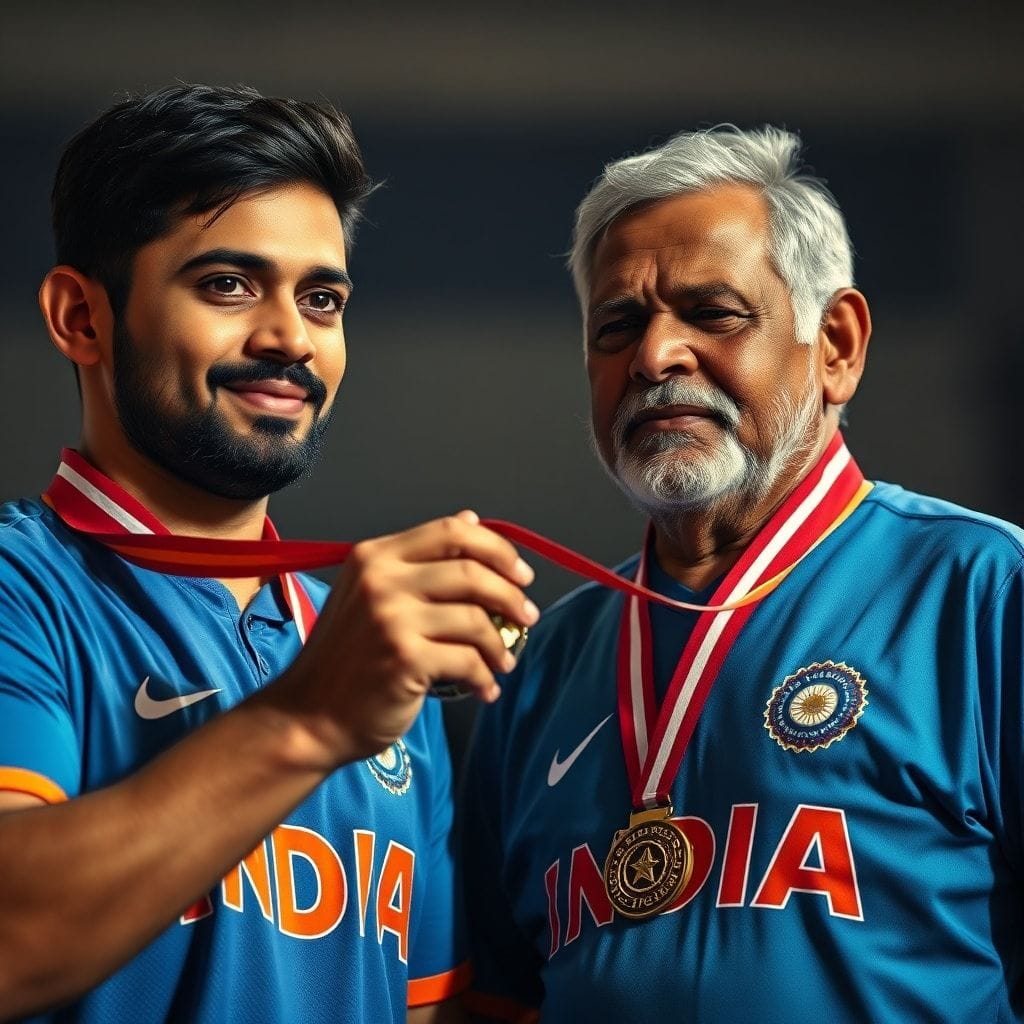
Shivam Dube’s emotional medal presentation to his father after India’s 2026 T20 World Cup win has become a touchstone for fans across the nation. The gesture underlines the human side of a tournament that otherwise churns out numbers, strikes, and contract talks, reminding everyone why cricket holds a special place in Indian hearts.
India entered the 2026 edition with a blend of seasoned campaigners and a few hungry newcomers. The squad’s balance leaned heavily on flexibility – the ability to switch between aggression and restraint at a moment’s notice. Captain Suryakumar Yadav’s decision to slot Dube at number five gave the team a reliable bridge between the top order and the power‑play finishers. The move also meant Dube could be called upon as a bowler in the death overs, a role he embraced with gusto.
From a tactical angle, India’s front‑foot plan centered on exploiting the varied pitches across the host nations. In the opening match on the fast, bounce‑friendly tracks of South Africa, the side leaned on seam movement, while the middle‑order adopted a spin‑friendly approach in the slower Caribbean soils. Dube’s all‑round skill set made him the perfect utility player – he could accelerate the run‑rate against a spinner on the Caribbean turnover or hold the line on a slick South African strip.
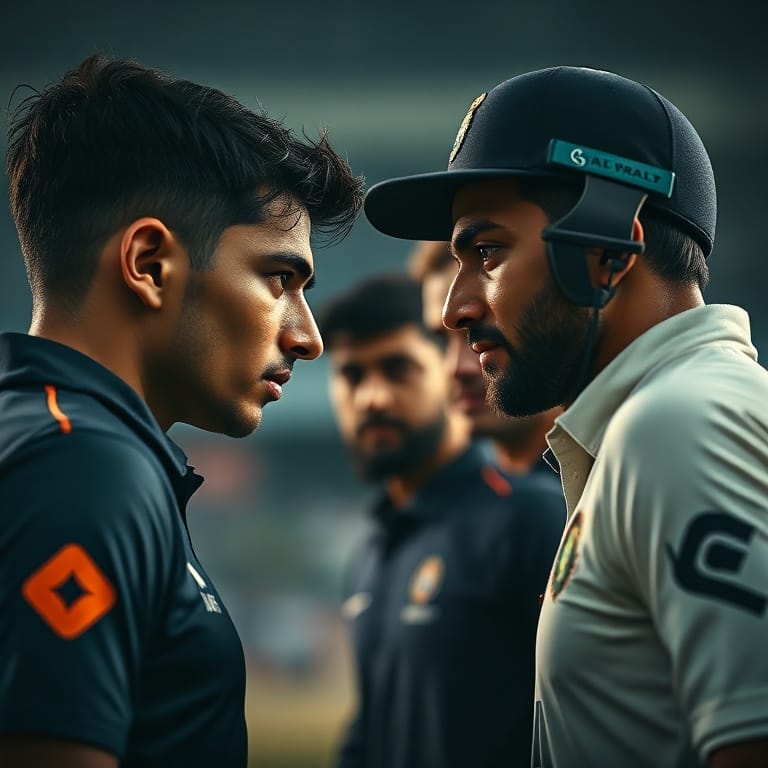
When the semi‑final against England arrived, the pressure cooker was switched on. The match unfolded on a damp New Delhi surface that offered seam and swing in equal measure. Dube, entrusted with the final over, delivered a disciplined six‑ball spell that saw him defend two runs, concede a single, and claim a crucial wicket on the fifth delivery. His composure was a textbook example of a bowler who knows his run‑up, reads the batsman’s intent, and trusts his variations.
The Stats Behind the Strategy
| Metric | Value |
|---|---|
| Runs scored (tournament) | 235 |
| Batting average | 39.16 |
| Strike rate | 169.06 |
| Wickets taken | 5 |
| Economy in death overs | 6.8 |
| Boundary conversion rate (vs spin) | 45% |
The numbers paint a clear picture: Dube was a genuine run‑machine in the middle overs, especially against quality spin on the slower tracks of Colombo and Kingston. His 45% boundary conversion against spinners is a testament to his ability to read length and pace on surfaces that usually trap middle‑order batsmen.
Connecting player to venue, Dube’s comfort on the red‑clay of Johannesburg is evident from his 30‑run cameo where he smashed four fours and three sixes off 12 balls, a performance that turned a modest total into a defendable score. In the Caribbean, the low‑bounce, high‑grip decks of Kingston demanded a different approach. Dube’s soft‑hands technique against the Pacifica turners allowed him to rotate the strike, keeping the run‑rate steady while preserving wickets for the finish.
The father‑son moment was captured on Instagram, but its ripple effect goes beyond social media likes. It sparked a wave of discussions about the support structures that fuel Indian cricketers. Long‑distance bus rides, modest homes, and parents who juggle multiple jobs form the unseen backbone of the sport. Dube’s public gratitude gave a face to those stories, creating a narrative that fans can latch onto during the off‑season.
Looking ahead, the World Cup win resets expectations for the upcoming IPL. Dube is set to don the Chennai Super Kings colors, and fans are already speculating whether his tournament form will translate into consistent franchise success. The pressure will be different – a longer grind, more matches, and the necessity to adapt to diverse pitch conditions in India, from the turning turners of Chennai to the seaming tracks of Bangalore.
For the Indian camp, the next challenge is the bilateral series against Australia, where the team will have to adjust to the fast, bounce‑laden pitches of Melbourne. The management’s likely move will be to keep Dube at number five, using his middle‑order stability while rotating him into the death‑over bowlers’ slot. If he carries the same blend of aggression and temperance, India could very well extend its dominance into the next calendar year.
From a fan perspective, the medal ceremony has become the visual cue for a season of celebration. It is the image that will be printed on calendars, shared in memes, and replayed in highlight reels for years to come. The blend of personal triumph and collective glory is what makes cricket more than a sport – it is a shared cultural moment.
Cricket Desk: Want more on Associate cricket strategy? Check out our Associate cricket strategy Latest News & Stats.