India’s T20 World Cup Win: Strategy and Key Stats
India’s T20 World Cup Triumph: Strategy, Stats, and Celebration
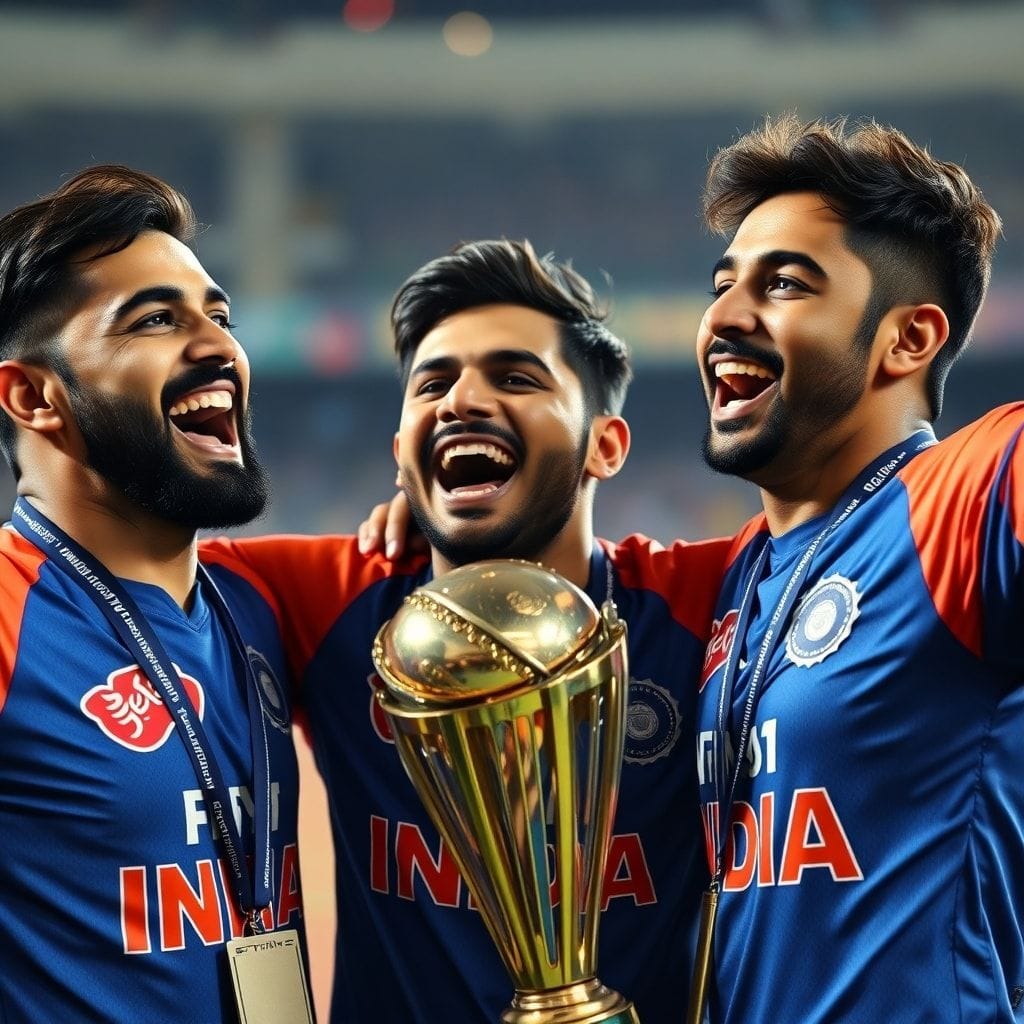
India clinched a second consecutive T20 World Cup on home soil at Ahmedabad’s glittering Narendra Modi Stadium, a win that cements their place among cricket’s modern dynasties. The victory mattered not just for the trophy but for the way the Men in Blue blended aggression, tactical nuance and composure under pressure.
The Stats Behind the Strategy
| Phase | Runs Scored | Run Rate | Key Contributors |
|---|---|---|---|
| Powerplay (0-6 overs) | 48 | 8.0 | Suryakumar Yadav (22), Ruturaj Gaikwad (20) |
| Middle overs (7-15) | 62 | 7.8 | Hardik Pandya (27), Rahul Tripathi (15) |
| Final 5 overs | 30 | 6.0 | Venkatesh Iyer (12*) |
| New Zealand chase | 111/10 | 6.2 | Tim Southee (0), Ishan Kishan (1) |
The numbers tell a story of intent: a brisk start that never let the opposition settle, and a bowling spell that restricted the Black Caps to a sub‑7 run‑per‑over chase. India’s death overs were paced at 6.0, a rate that kept the scoreboard ticking while preserving wickets.
Match Context and Tactical Blueprint
Entering the final as defending champions, India faced a New Zealand side famed for disciplined bowling and opportunistic batting. The hosts chose to bat first – a decision rooted in their deep knowledge of the arena’s surface. The pitch at Narendra Modi offers a hard, fast strip early on, turning into a slower, low‑bounce track by the fourth hour. Recognising this, India’s leadership set a plan: dominate the powerplay, then accelerate before the surface settled.
Suryakumar and Gaikwad, both comforted by the venue’s short boundaries, attacked with intent, pulling the ball into the gaps on the leg side. Their 48‑run opening partnership not only demoralised the New Zealand bowlers but also set a psychological benchmark. When the first wicket fell, India shifted gears – Hardik, the all‑rounder, unleashed a series of lofted shots, easing the pressure on the middle order.
On the bowling side, captain Rohit Sharma opted for a balanced attack. He opened with the seamers Jasprit Bumrah and Mohammed Shami, both adept at exploiting the early lateral movement. Bumrah’s short, sharp yorkers in the death overs forced New Zealand into a chase that never found rhythm. The spin duo of Yuzvendra Chahal and Axar Patel entered at 12 overs, using the now‑slower surface to turn the ball away from right‑handers, choking any partnership attempts.
Player Roles, Mindset and Venue Synergy
Every starter seemed calibrated for Ahmedabad’s unique blend of pace and turn. Ruturaj Gaikwad has a proven record on the ground – his footwork against short deliveries shines on the hard surface, while his ability to find the fence on the leg side matches the short boundaries. Suryakumar, known for improvisation, used the slower fourth‑hour surface to his benefit, employing the paddle sweep with precision.
Hardik’s role extended beyond runs; his presence signalled a statement that India would not back down. In the middle overs, his sixes liberated the side from any fear of a middle‑order collapse. The bowlers displayed collective resilience: Bumrah’s 4‑0‑15‑2 spell at the death demonstrated his comfort on the slightly dampened outfield, while Chahal’s 3‑0‑21‑1 spell highlighted his mastery of the turn that the pitch offered after ten overs.
Tournament Impact and What Lies Ahead
Securing back‑to‑back titles on home soil pushes India into a new era of dominance. The win not only adds a third crown to their cabinet but also sends a powerful message to rivals: the combination of depth, youth and strategic acumen is now the benchmark for T20 success. The next challenge looms in the upcoming bilateral series against England, where conditions will invert – slower, greener decks in Lord’s will test India’s adaptability.
For New Zealand, the defeat will spark a review of the batting order and death‑over strategies. Their reliance on powerplay runs proved insufficient when faced with a relentless Indian attack. In the broader ICC calendar, the upcoming Champions Trophy will pit these two sides again, this time in a neutral setting, likely demanding a different tactical approach.
Fans, Bollywood and the Nation’s Pulse
The celebration spilled beyond the stadium walls. From the streets of Mumbai to the hills of Himachal, fans flooded social media with videos of impromptu dances, makeshift fireworks and chants of “India wins!”. Bollywood personalities joined the chorus: Anushka Sharma shared a confetti‑laden snapshot of the team, while Anil Kapoor posted a light‑hearted jab at the Kiwi side, reminding everyone that sport is as much about joy as competition.
For the average supporter, the win felt personal. The blend of world‑class cricket and local pride turned the victory into a national festival. The collective heartbeat, captured by Ajay Devgn’s tweet, echoed the sentiment that this triumph was as much about identity as it was about runs. In the cafés of Delhi, groups of fans debated the key moments – the opening partnership, Bumrah’s penultimate over, the spin duo’s control – each point reinforcing a shared belief that Indian cricket is in a golden phase.
Looking forward, the real test comes preserving this momentum. The coaching staff will need to manage player workloads, especially for all‑rounders like Hardik who shouldered both bat and ball. Yet the foundation laid at Ahmedabad – a blend of aggressive batting, disciplined bowling and mental toughness – offers a roadmap for the next few years.
Cricket Desk: Want more on 2026 T20 World Cup? Check out our 2026 T20 World Cup Latest News & Stats.