India vs New Zealand T20 World Cup 2026 Final Highlights
T20 World Cup Final 2026: A Fusion of Cricket and Culture in Ahmedabad
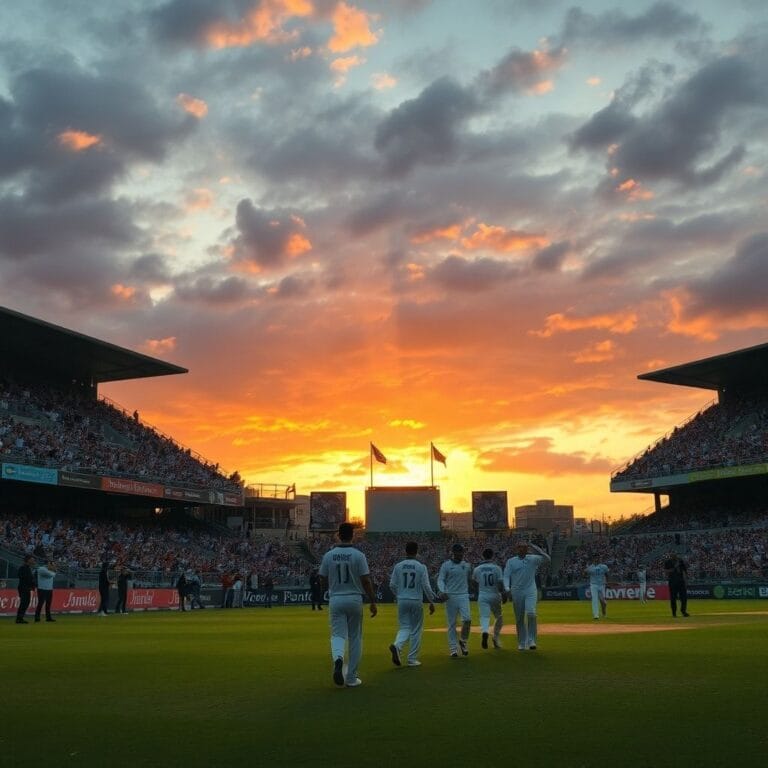
The T20 World Cup 2026 final at Ahmedabad’s Narendra Modi Stadium pitted India against New Zealand in a clash that felt like a cultural festival as much as a cricketing showdown. Between the thumping beats of Ricky Martin, Sukhbir and Falguni Pathak and the roar of a 120,000‑strong crowd, the match offered a vivid snapshot of how sport and spectacle can fuse into a single, unforgettable night.
Tactical Blueprint
India chose to stick with the XI that breezed through the semi‑finals, banking on familiarity and a top order that thrives on the hard, red‑soil of the Modi pitch. Surya Yadav’s decision at the toss – to bat first – reflected a belief that the surface would stay true for the first 10‑12 overs, allowing the openers to set a solid platform before the lights and evening moisture could aid seam movement.
New Zealand, aware of the same conditions, opted to start with Mitchell Santner’s spin and a seam attack featuring Lockie Ferguson and Matt Henry. The inclusion of Jacob Duffy for Cole McConchie hinted at a desire for an extra pace option with a knack for extracting bounce on a surface that, while flat, can offer a fraction of seam when the grass‑covered areas are hit by the evening dew.
- India’s plan: Powerplay dominance via Sanju Samson, Abhishek Sharma and Ishan Kishan, followed by a middle‑order anchor in Tilak Varma and a finish from Hardik Pandya.
- New Zealand’s plan: Early wickets through Ferguson’s raw pace, Henry’s swing, and Duffy’s line‑and‑length, then unleash the batting depth of Finn Allen and Rachin Ravindra in the middle overs.
The Stats Behind the Strategy
| Player | Runs in WC 2026 (Pre‑Final) | Average | Strike Rate | Venue Performance (Ahmedabad) |
|---|---|---|---|---|
| Sanju Samson | 312 | 44.57 | 149.0 | 84 runs at 132 SR |
| Abhishek Sharma | 278 | 39.71 | 138.5 | 71 runs at 145 SR |
| Ishan Kishan | 254 | 36.28 | 152.3 | 68 runs at 150 SR |
| Lockie Ferguson | 5/87 | 17.40 | — | 2/22 in 4 overs (1.5 ER) |
| Matt Henry | 4/71 | 17.75 | — | 1/24 in 3 overs (8 ER) |
The numbers show a clear advantage for India’s top three on this surface – all have crossed the 70‑run mark in Ahmedabad earlier in the tournament, with strike rates well above 140. New Zealand’s pacers, while economical, have struggled to pick up wickets on flat tracks, a factor that likely influenced the decision to bring Duffy, who has a higher wicket‑taking ratio on low‑bounce pitches.
Players and the Pitch
Ahmedabad’s soil is a blend of hard red clay and a thin grass layer that dries quickly under the lights. Fast bowlers who can swing the ball early and then rely on cutters in the death overs tend to succeed. This suits Hardik Pandya’s ability to bowl slower‑ball variations and Shivam Dube’s knack for delivering yorkers when the surface gets a little sticky.
On the spin side, Axar Patel’s left‑arm orthodox turn has always been a nightmare for teams chasing a target on sub‑continental pitches. His flight and dip work wonders when the ball starts to grip in the later overs. For New Zealand, Santner’s left‑arm spin is a textbook example of containment, but the lack of turn on the Ahmedabad track may limit his impact.
Tournament Ripple Effect
A win for India would cement their status as the first back‑to‑back T20 champions, a feat no other nation has achieved since the format’s inception. It would also give the Indian board a massive boost ahead of the home summer, with sponsorships and grassroots programmes likely to see a surge.
New Zealand, on the other hand, would prove that a small cricketing nation can consistently punch above its weight. A title would accelerate the ICC’s plans to grant them more bilateral series against top‑tier teams, influencing future ICC tournament seedings.
From the Stands
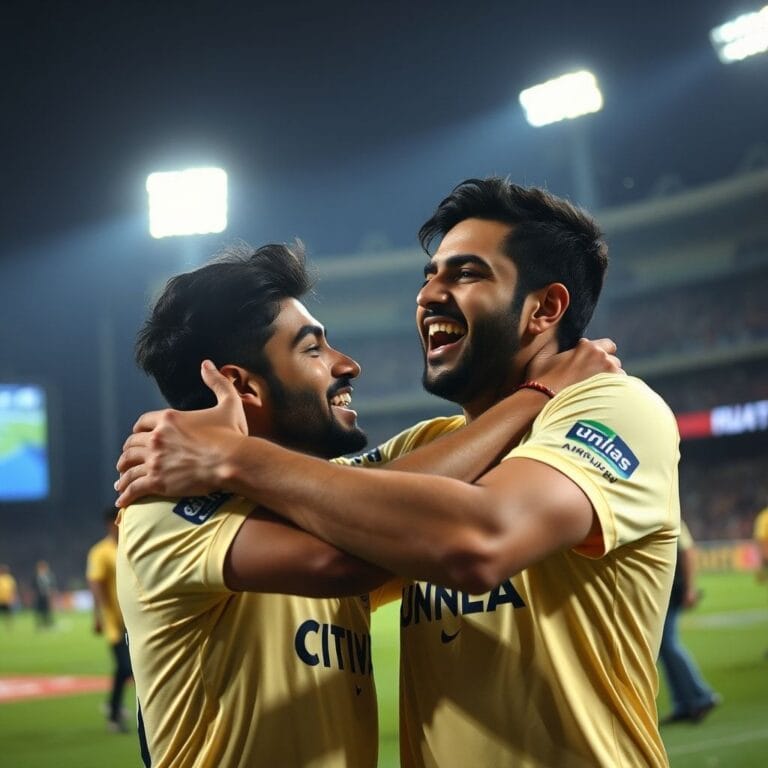
Fans in the stadium were a living, breathing sea of blue and black, chanting, clapping, and even attempting to copy the bhangra steps from the pre‑match show. The emotional roller‑coaster of the closing ceremony – from Sukhbir’s high‑octane beats to Falguni Pathak’s folk‑pop resonance, capped by Ricky Martin’s global pop anthem – set a tone that felt larger than the game itself.
Street-side cafés in Ahmedabad and Mumbai replayed the opening over and over, dissecting every decision. On social media, the consensus tilted towards admiration for India’s consistency, but there were also heartfelt chants for the Kiwi side, especially after they pulled off a couple of boundary‑smashing overs that sparked hope among the neutral spectators.
In the end, the final was more than a match; it was a cultural exchange wrapped in a cricketing contest. Whether the trophy lifts on Indian soil or sails across the Tasman Sea, the night will be remembered for the way sport, music and fan passion intertwined to produce a sheer spectacle.
Cricket Desk: Want more on India vs New Zealand? Check out our India vs New Zealand Latest News & Stats.