India vs New Zealand T20 World Cup 2026 final preview
T20 World Cup Final Showdown: India vs New Zealand
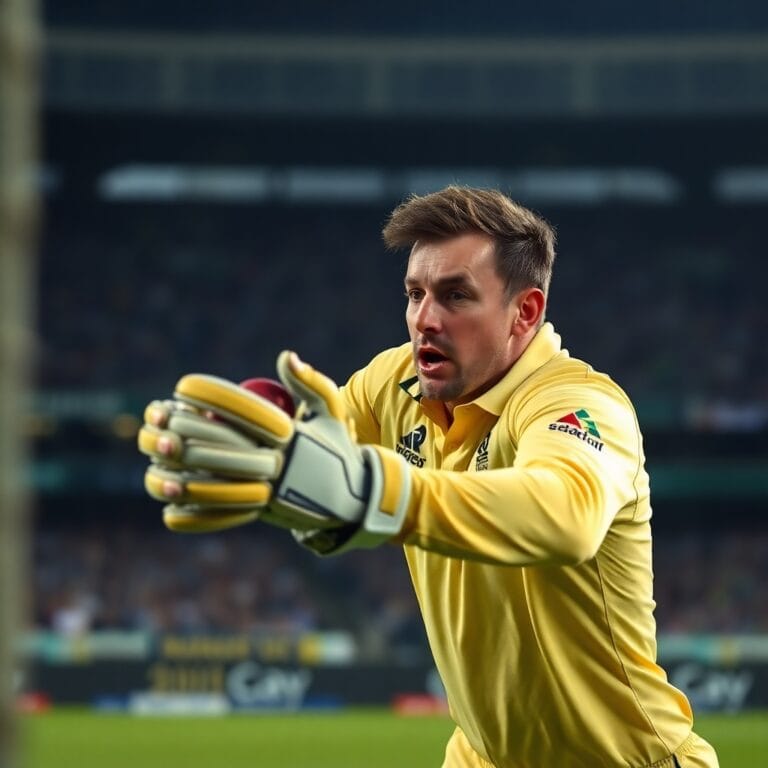
The T20 World Cup 2026 final pits defending champions India against a hungry New Zealand side at Ahmedabad’s Narendra Modi Stadium. With the trophy, a historic defence, and host nation pride on the line, the showdown is already a talking point for fans worldwide.
India walk into the arena under Suryakumar Yadav’s captaincy, looking to etch their names as the first side to win three titles and the first host nation to lift the cup. New Zealand, led by Mitch Santner, are chasing their maiden crown after a runner‑up finish in 2021. Both teams have fine‑tuned their line‑ups for the specific demands of a pitch that blends red and black soil, promising a contest where strategy will dictate the outcome as much as talent.
The Stats Behind the Strategy
| Metric | Value |
|---|---|
| Total T20Is at Narendra Modi | 17 |
| Average first‑innings score | 174 runs |
| Average second‑innings score | 150 runs |
| Matches won batting first | 11 |
| Highest total recorded | 234/4 (India vs New Zealand) |
These numbers reveal a ground that traditionally favours the side batting first. The average 174‑run first innings sets a benchmark that any side chasing would find uncomfortable. The 70 % red‑soil component typically offers bounce and pace, while the 30 % black soil adds a little turn and slower sections. Fast bowlers can extract early seam, yet the surface dries quickly, allowing batters to accelerate in the powerplay.
Team selections shaped by the surface
India’s bowlers head into the final with a clear game plan: utilise the early bounce to create opportunities in the first six overs. Jasprit Bumrah, with his signature yorkers and ability to swing the ball at pace, is the natural opener. He’ll be paired with Mohammed Siraj, whose height and high‑release point make him lethal on a surface that can rise sharply. Together they aim to sniff out any early wickets.
In the middle overs, India’s spin department—Ravindra Jadeja and Yuzvendra Chahal—will be used sparingly. The blend of soil means turn will be limited; a few well‑timed flighted deliveries could tempt the New Zealand middle order into a mistake. Their inclusion is more about variation than pure spin dominance.
New Zealand’s attack mirrors the same logic. Tim Southee, a tall seamer who thrives on bounce, will open alongside Lockie Ferguson, whose sheer pace can trouble any batsman on a lively surface. Their success will hinge on how quickly they can extract movement before the pitch settles.
All‑rounder Ish Sodhi adds a left‑arm angle that can exploit any rough patches created by the fast bowlers. His ability to bowl slower balls at the death fits the plan of restricting India’s late‑over surge.
Batting approaches tuned to the pitch
India’s top order has the advantage of familiarity with Ahmedabad’s conditions. Rohit Sharma, a seasoned campaigner at this venue, is expected to anchor the innings, rotating strike while letting power‑hitters like Hardik Pandya and Ruturaj Gaikwad unleash in the latter half. The large boundary dimensions favour big‑hitting, but the initial bounce means that the first four overs must be played with a mix of caution and aggression.
For New Zealand, the openers—Martin Guptill and Devon Conway—are used to playing on variable surfaces. Their game plan will involve a steady start to assess the bounce, followed by a calculated assault in the 7‑12 over window when the bowlers may be tiring. The middle order, anchored by Kane Williamson, will need to manage the chase if India posts a lofty total, using his calm temperament to rotate and accelerate as required.
What the outcome means for the tournament
If India clinches the trophy, the narrative surrounding the T20 World Cup will shift dramatically. A successful defence would cement their status as the pre‑eminent T20 nation and could spark debates about the fairness of hosting the final on a home ground. The win would also reinforce the effectiveness of Indian domestic T20 structures in producing match‑winners.
A New Zealand victory would rewrite the record books, delivering their first world title and highlighting the rise of associate‑level professionalism. It would also suggest that strategic planning on variable pitches can outweigh home advantage, offering a blueprint for other emerging sides.
Fans, nerves and the atmosphere
For the 130,000 fans expected inside the stadium, the experience will be a blend of national pride and cricketing drama. Indian supporters will be keen to see their heroes deliver under pressure, while New Zealand fans, though fewer in number, will bring a palpable intensity, chanting in measured bursts. The stadium’s acoustics amplify every edge‑of‑the‑seat moment, turning the final into a living, breathing entity.
Social media will be abuzz with predictions, memes, and live reaction videos. The cricketing community knows that a final of this magnitude influences player valuations in franchise leagues, national selection debates, and even sponsorship discussions for the next cycle.
Regardless of who lifts the cup, the final at Narendra Modi Stadium will be remembered as a tactical showcase, a test of nerves, and a celebration of T20’s global appeal.
Cricket Desk: Want more on 2026 T20 World Cup? Check out our 2026 T20 World Cup Latest News & Stats.