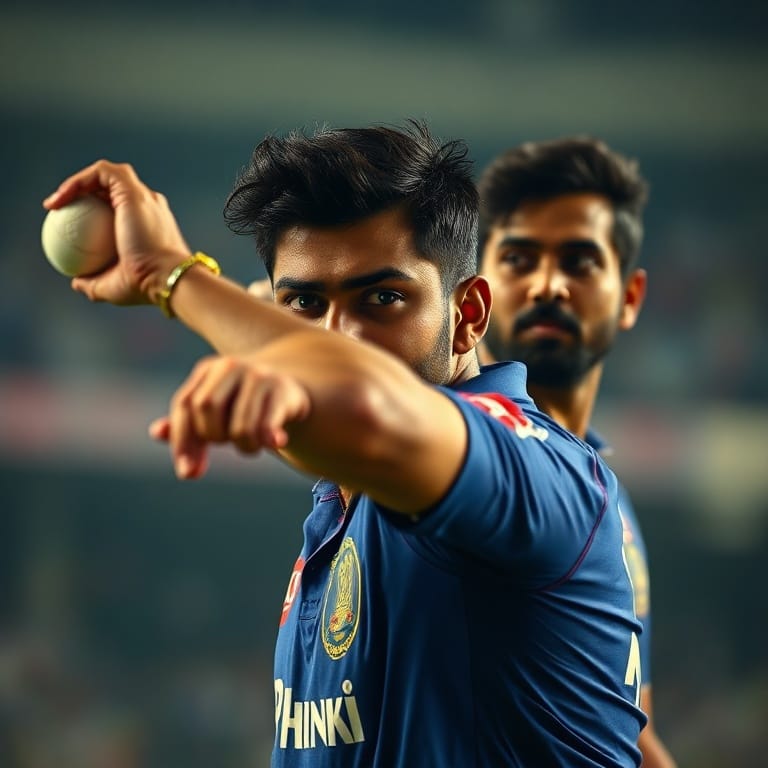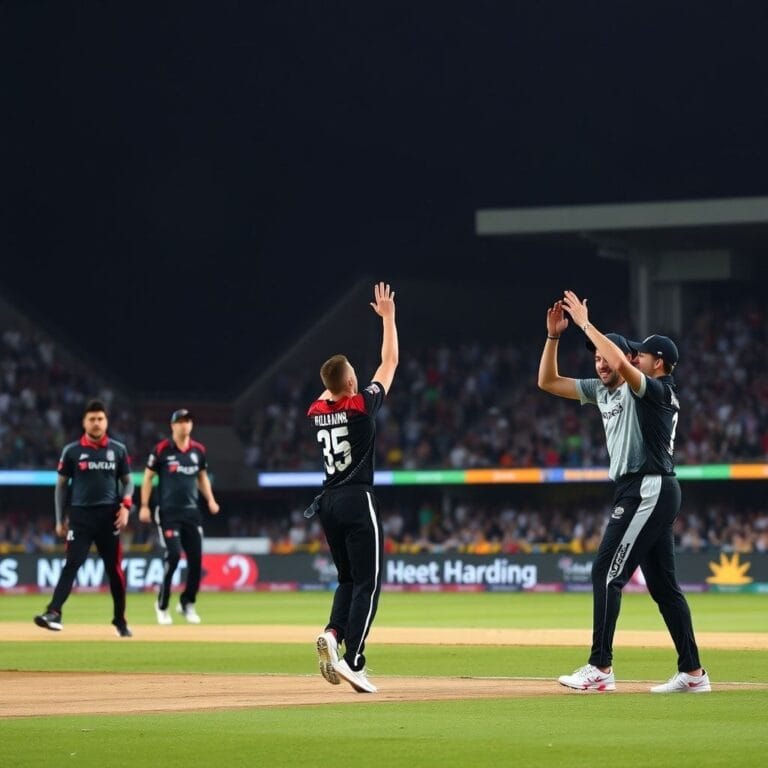
Shivam Dube’s role in India vs New Zealand T20 World Cup final
Shivam Dube: The X-Factor in India’s T20 World Cup Final Clash Against New Zealand
The showdown in Ahmedabad between India and New Zealand will decide who lifts the T20 World Cup this year. Former spinner Ravichandran Ashwin has put the spotlight on Shivam Dube, a name that rarely headlines pre-final chatter but could turn the match on its head.
Match Context and Road to the Finale
India entered the tournament with a blend of power hitting and disciplined death overs. Captain Suryakumar Yadav has kept the momentum alive, rotating the strike and unleashing aggression in the final overs. New Zealand, meanwhile, have relied on calm execution and a well-drilled bowling unit. Both sides have won three games to reach the final, but the paths differed: India survived a rain-shortened chase against Pakistan, while New Zealand edged past Sri Lanka in a low-scoring thriller.
Tactical Analysis and Team Decisions
At Narendra Modi Stadium the surface is known for a hard, even bounce that eases through the covers but offers turn once the dew settles. India’s strategy appears to hinge on using the middle overs to blunt New Zealand’s spin threat, then unleashing power hitters in the death. The decision to keep Dube in the middle order, rather than promote him to an opening slot, mirrors the team’s intent to have a flexible conduit between the top order and the finishers.
New Zealand’s bowling line-up features seasoned spinners like Ish Sodhi and emerging left-arm bowler Matt Henry. Both rely on variation and a tight line to force mistakes. If Dube lands a big shot against Sodhi, the pressure will shift back onto New Zealand’s seamers, who may have to bowl extra overs at the death.
Player Roles and Mindset
Shivam Dube has carved a niche as a hard-hitting middle-order finisher. His mindset is simple: attack the bowlers early, especially when they are settling into their rhythm. In the semi-final against England he smashed 43 off 25 balls, timing sixes over the long-on boundary and keeping the strike rotating. That knock proved he can thrive when the scoreboard demands quick runs.
For New Zealand, the plan will likely involve pinning Dube down with a tight line and length, especially from their spinners. If they miss their lengths, Dube’s aggressive swing will take advantage, sending the ball sailing over the ropes. The mental battle will be Dube’s patience versus New Zealand’s discipline – a classic cat-and-mouse scenario in the middle overs.
The Stats Behind the Strategy
| Player | Matches | Runs | Average | Strike Rate |
|---|---|---|---|---|
| Shivam Dube | 7 | 209 | 34.83 | 159.54 |
| Suryakumar Yadav | 7 | 274 | 38.00 | 145.20 |
| Ish Sodhi | 7 | 9 wickets | 18.33 (runs per wicket) | 12.5 (economy) |
| Matt Henry | 7 | 11 wickets | 22.18 | 11.8 |
These numbers show Dube’s striking ability and his capacity to keep the run rate high when the team needs acceleration. The New Zealand bowlers have kept their economy low, but a single over from Dube could swing the expected runs per over by a full digit.
Venue-Specific Insights
Ahmedabad’s pitch typically offers a fast outfield, meaning any mis-timed shot turns into a boundary. The surface also flattens out after the first ten overs, reducing seam movement. That environment benefits a power hitter who can clear the rope with minimal effort. Dube’s ability to dominate the middle overs, especially against spinners who rely on turn, could exploit the flattening of the pitch.
New Zealand’s bowlers have played well on slower tracks in past tournaments, but the pace and low-bounce of this venue demand accurate line and a subtle change of pace. If they can lock down the fence and keep Dube from hitting over the long-on boundary, the two-run boundaries become tougher to come by.
Impact on the Tournament and What’s Next
If Dube delivers a quick-fire cameo, India can chase a target of 170–180 with a comfortable cushion, allowing the lower order to finish strongly. A failure to contain him could see New Zealand’s chase turned into a pressurized sprint; the pressure may force a rash delivery from the seamers, opening a window for a late-innings finish.
The outcome of this final will shape the narrative for the next T20 World Cup cycle. A win for India will cement their status as the era’s dominant side, while a New Zealand victory could spark a resurgence for the Black Caps, who have long sought a major ICC trophy.
Fan Perspective and Grounded Opinions
Supporters on the streets of Ahmedabad are divided. Some chant for the explosive Suryakumar, while others wave banners for Dube, hoping his unheralded heroics will earn him a place in the trophy parade. Social media threads argue that a single player cannot win a final, yet the consensus leans toward Dube being the X-factor.
From a neutral observer’s angle, the final will likely be decided by who manages the middle overs better. If India lets the middle overs slip, New Zealand’s disciplined bowling could squeeze the run rate. If Dube can hammer those overs, the final will tilt heavily in India’s favor.
In the end, the game will be a test of nerves, timing, and execution. Fans will remember the night for either a six-filled flourish from Dube or a disciplined comeback from New Zealand’s bowlers.
Cricket Desk: Want more on Associate cricket strategy? Check out our Associate cricket strategy Latest News & Stats.