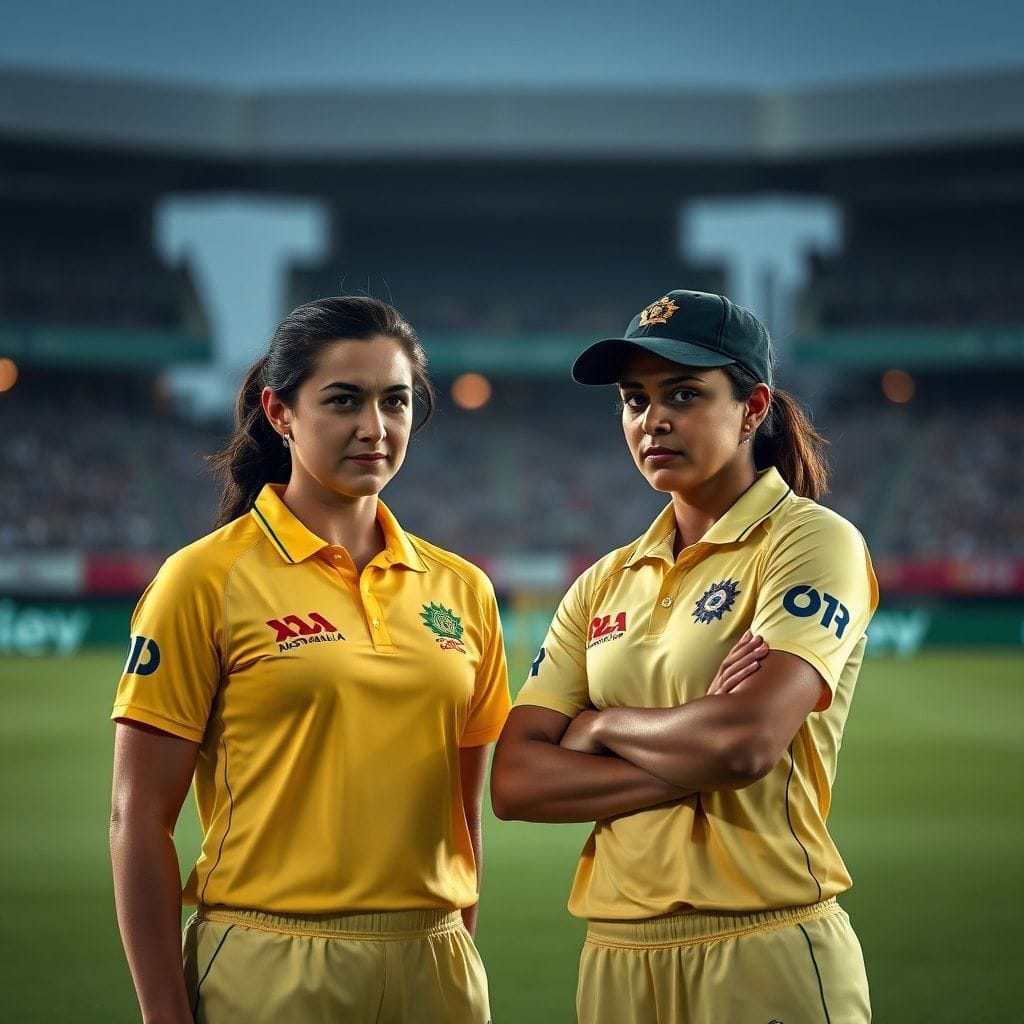
Australia vs India Women’s Test: Healy’s Final WACA Showdown
Healy’s Farewell Showdown: Australia vs India Women’s Test at WACA
The one‑off women’s Test at Perth’s WACA Ground isn’t just a curtain‑call for a season; it’s the last chance for India to claw back level in a series already tipped in Australia’s favour. With the pink‑ball under lights and the iconic ‘Fremantle Doctor’ breezing across the outfield, the match carries weight for the teams, the players marking career milestones, and the growing audience for women’s Test cricket.
The Stats Behind the Strategy
| Metric | WACA (Women’s Tests) | Implication |
|---|---|---|
| Total matches played | 48 | Rich history, but limited recent exposure for women |
| Average 1st‑innings score | 319 | Teams that post 320+ tend to control the game |
| Average 2nd‑innings score | 325 | Second innings often mirrors first, indicating flatness after initial bounce |
| Average 3rd‑innings score | 286 | Side that survives the initial burst can press for a win |
| Average 4th‑innings chase | 198 | Chasing under 200 rarely succeeds; defense is key |
| Highest total recorded | 735/6 (AU vs ZIM) | Shows the surface can ease once the ball settles |
| Lowest total recorded | 62/10 (PAK vs AU) | Early‑session swing can crush inexperienced line‑ups |
These numbers tell a simple story: a good start on a lively surface forces the opposition onto the back foot, while the middle overs reward batters who can time the bounce. The fourth innings sees the pitch losing pace, making run‑chases a tall order.
Why Perth matters for the two sides
For Australia, the WACA is a familiar backyard. Alyssa Healy grew up practising on the same strip, learning to read the extra bounce that makes the ball jump like a rubber ball. Ellyse Perry, when fit, has used the same terrain to generate pace off the ground, turning friendly drives into boundary‑clearing hits. Their comfort translates into a mindset that the team can afford a small slip and still dominate.
India, on the other hand, treats Perth as a litmus test for adaptability. Smriti Mandhana’s elegant footwork against pace on the hard‑packed Melbourne laneway has served her well, but the extra lip on the WACA demands a slightly shorter back‑foot stance. Harmanpreet Kaur’s aggressive captaincy often includes a willingness to send in a night‑watchman, a move that can exploit the slower fourth‑innings conditions if the top order gets pulled back early.
Decision‑time: Toss, line‑up and bowling plans
The toss is likely to be the first tactical fork. Winning the toss and electing to bat first plays to Australia’s strength – a solid opening pair that can harness the early swing and set a massive platform. The pink ball, when new, offers extra lift; Healy’s poise behind the stumps and her ability to accelerate makes her a perfect anchor‑turn‑of‑event player. If India wins, they may opt to field first, hoping the ‘Fremantle Doctor’ will dip the ball into the seam and produce late swing under lights, a condition Kashvee Gautam thrives in.
Bowling rotations will mirror the surface’s rhythm. Australia’s pace attack—most likely a quartet featuring Jess Jonassen with the ball, along with pacers like Megan Schutt—will open with short bursts, exploiting the fresh seam. Their plan: two overs of short, steep bounce, then settle into a tight line outside off, forcing edges onto the swinging balls.
India’s attack pivots on the swing factor. Gautam’s ability to swing the pink ball both ways, combined with seasoned left‑arm spinner Pooja Vastrakar who can bowl a probing line into the rough outside the right‑handers’ off‑stump, creates a complementary combo. The plan is to keep the ball low early, then let the sea breeze do the work after the 30‑over mark, when the pink ball starts to lose its shine.
Player mindsets heading into the duel
Alyssa Healy steps onto the field for her 299th and final international appearance. The weight of retirement looms, yet her recent 158‑run blitz in the ODI shows a batswoman brimming with confidence. Her personal goal is simple: finish on a high, perhaps seal a half‑century in the Test and cement her legacy as a finisher who could roar under pressure.
Ellyse Perry’s rehab from a quad strain adds another layer. While she may not be at 100%, her presence in the dressing room offers a psychological lift. She’s likely to bowl short spells, relying on accuracy rather than raw speed, and to mentor the younger bowlers on handling the pink ball’s swing.
For India, Smriti Mandhana bears the responsibility of setting a solid platform. Her ability to play late and use the bounce to her advantage can neutralise the early scare factor. Kaur’s aggressive captaincy will be evident in field placements—she may employ a deep slip cordon early to catch any edged deliveries that the sea breeze whips into the air.
Series stakes and what follows
Australia already clinched the multi‑format series, but a win in Perth adds a psychological edge heading into upcoming bilateral engagements and the next World Cup cycle. For India, a win would not only level the points but also signal that their squad can adjust to extreme conditions—a confidence boost for the upcoming ODI and T20 World Cups.
Beyond points, the Test acts as a benchmark for women’s cricket’s growth. A close contest, especially with tight fourth‑innings numbers, could drive broadcasters to schedule more women’s Tests, proving the format still has a place alongside limited‑overs cricket.
Fans’ voice: what the crowd expects
Australian supporters, accustomed to the WACA’s roar, expect a dominant display. Social media chatter has already painted Healy’s last game as a “fairy‑tale ending”, urging teammates to give her a standing ovation with a quick partnership. Indian fans, meanwhile, have rallied around the underdog narrative, flooding Twitter with hashtags like #PinkPowerIndia, urging their batters to tame the bounce and swing.
Ground‑level fans anticipate the ‘Doctor’ wind to be a game‑changer. Many have set up portable fans to mimic the sea breeze, joking that they’ll “help the swing”. The consensus: if the pitch lives up to its reputation, the match will be a thrilling seesaw, with every edge and every boundary replayed on highlight reels.
Final thoughts
Whether the WACA delivers a bounce‑laden spectacle or a swing‑laden tussle, the one‑off Test carries more than just points. It’s a stage for a legend’s farewell, a chance for a resurgent side to rewrite the script, and a reminder that women’s Test cricket still has the power to captivate. The pink ball will shine under the Perth lights, and the story that unfolds will echo far beyond the boundary ropes.
Cricket Desk: Want more on Alyssa Healy Farewell Series? Check out our Alyssa Healy Farewell Series Latest News & Stats.