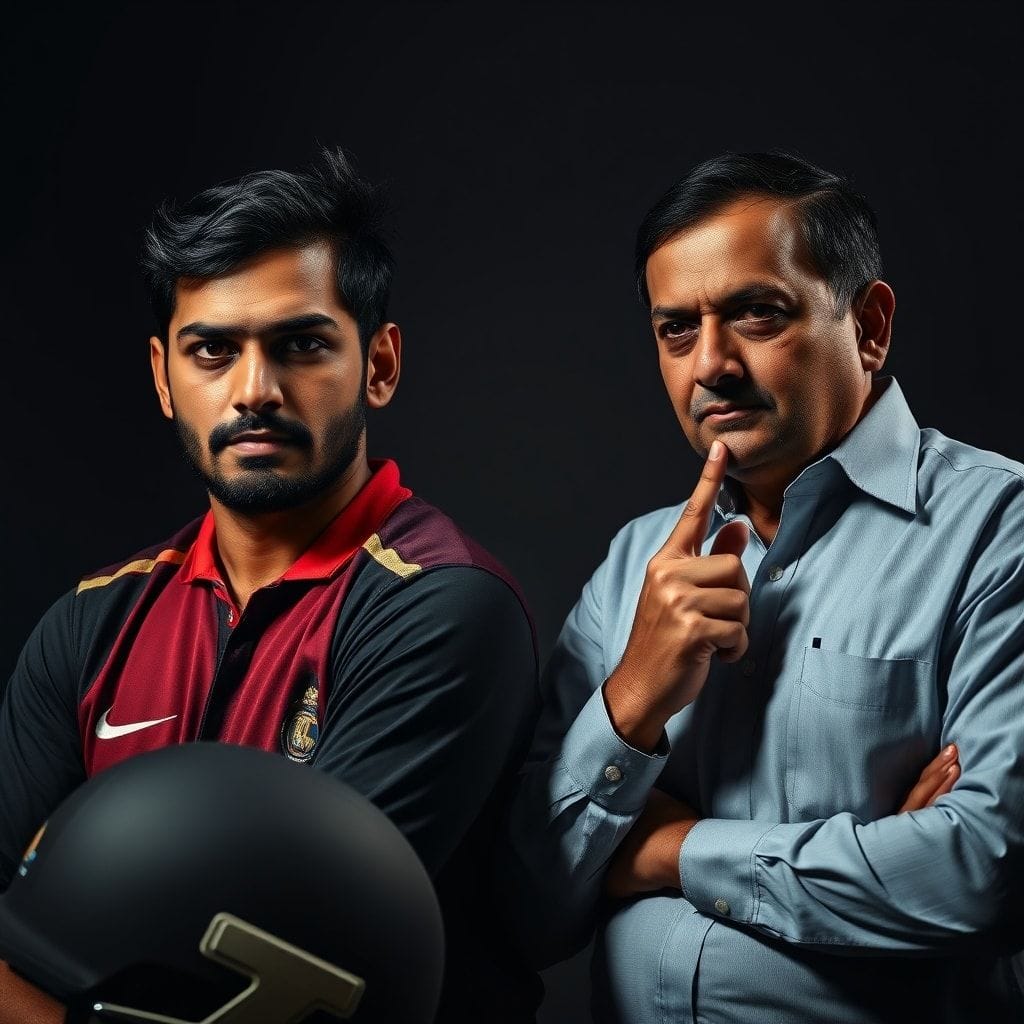
Auqib Nabi: Ranji Trophy Winner’s Journey to National Spotlight
Auqib Nabi’s Rise: From Baramulla to Ranji Glory
The story here is about Auqib Nabi’s meteoric rise in the Ranji Trophy and the BCCI’s measured response through secretary Devajit Saikia. It matters because a fast bowler from Baramulla is now on the national radar, and his journey could shift how talent from the north‑east is viewed.
From the Snowy Valleys to Hubballi: Context and Narrative
When Jammu & Kashmir stepped onto the D. R. Bendre Cricket Stadium in Hubballi for the 2025‑26 Ranji final, few expected a showdown against Karnataka’s seasoned lineup. Yet the J&K side, bolstered by Auqib Nabi’s relentless pace, turned the match into a story of underdogs and sheer will. The win broke a 67‑year wait for their first title and sparked conversations across the cricketing fraternity.
Tactical Analysis and Team Decisions
Nabi’s role was clear from the start: exploit Hubballi’s medium‑fast, slightly bouncy wickets. The pitch, known for offering a subtle seam movement early on and retaining pace under lights, fit his skill set perfectly. J&K’s captain, Paras Dogra, fielded an attacking first‑innings plan – opening with Nabi and a swing‑bowler duo to press Karnataka’s top order. The strategy paid off when Nabi ripped through the 1‑3 overs, extracting seam and bounce that left openers looping.
In the knockout stages, the team’s approach evolved. In the quarter‑final, they set an aggressive field at slip and short leg, trusting Nabi’s ability to swing the new ball. His five‑wicket haul there stemmed from disciplined line‑and‑length rather than raw speed. The semi‑final saw J&K shift to a slightly defensive stance after a quick wicket, using a middle‑order partnership to tire the opposition before Nabi returned with a lethal spell on the fourth day, again taking five.
What stands out is the consistency of the game plans: each time J&K faced a strong batting side, they placed Nabi at the start of the attack, let him set the tone, and then used the spinners to clean up. The selection of a second‑seamer who could bowl at 135 km/h gave the captains confidence to swing the momentum early, a tactic rarely seen from a team that traditionally relied on spin.
Player Roles and Mindset
For Nabi, the mental shift was as critical as the physical. Coming from Baramulla, where pitches are often damp and low‑scoring, he learned to adapt his length to suit greener wickets. In Hubballi, he embraced a shorter delivery, aiming the ball at the right‑handers’ ribs, a plan that forced Karnataka’s middle order into a defensive shell.
The bowler’s mindset was evident in his body language – a calm stare before each run‑up, a quick check of the bails, and a disciplined follow‑through. He never rushed the wicket; instead, he built pressure, trusting that the batsmen would make a mistake. That patience translated into seven five‑wicket hauls in a single season, a record that echoes the likes of Narendra Hirwani’s debut season.
The Stats Behind the Strategy
| Player | Matches | Wickets | Avg Wkts/Match | Five‑Wkts |
|---|---|---|---|---|
| Auqib Nabi | 18 | 104 | 5.78 | 7 (Ranji 2025‑26) |
| Shams Mulani (2024‑25) | 12 | 45 | 3.75 | 2 |
| Mohammed Siraj (2024‑25) | 15 | 62 | 4.13 | 3 |
The table highlights Nabi’s dominance: nearly six wickets per match, a margin that eclipses other leading pacers by more than one wicket per game. His five‑wicket hauls came mostly on pitches that offered seam, confirming his knack for exploiting conditions.
Venue‑Based Insights
- Hubballi (D. R. Bendre): Medium‑fast bounce favored Nabi’s seam swing, allowing him to bowl consistent yorkers in the death overs of the final.
- Baramulla (North‑East Ground): Damp, low‑cutter tracks taught Nabi to vary his pace, a skill that later helped him outsmart Karnataka’s aggressive top order.
- Mohali: Known for lateral movement, where Nabi’s early-season spell produced a crucial 4‑for‑45, reinforcing his reputation as a swing bowler.
Impact on the Upcoming Season and What Lies Ahead
The BCCI’s acknowledgment through Devajit Saikia signals that Nabi is on the radar but not yet guaranteed a spot. The board’s current policy stresses performance‑based selection, meaning Nabi’s upcoming domestic season will be crucial. If he maintains his wicket‑taking rate, the selectors are likely to consider him for India’s limited‑overs tours, especially in England where swing is prized.
For the national team, the addition of a pacer comfortable on green wickets adds depth to an already competitive pace pool. It also provides a fresh option for sub‑continental conditions where the ball tends to stay low; Nabi’s ability to generate seam could be a game‑changer in day‑night Tests.
Fan Perspective and Grounded Opinions
Supporters in Srinagar and Baramulla have taken to social media, flooding the BCCI’s handles with messages like “Nabi for India!” The sentiment is genuine, rooted in pride for a region that rarely sees its players in Indian colours. Yet a segment of seasoned fans caution against rushing the process, pointing out past instances where domestic dominance didn’t translate to international consistency.
What most agree on is that Nabi’s story is a reminder that talent can emerge from any corner of the country. His rise has sparked discussions about better infrastructure in the north‑east, more scouting trips, and a need for the BCCI to keep an eye on these emerging hubs.
Whether he earns the white‑ball cap this year or next, Auqib Nabi’s journey from Baramulla’s modest grounds to a Ranji Trophy final in Hubballi has already reshaped the narrative of Indian fast‑bowling prospects.
Cricket Desk: Want more on Auqib Nabi? Check out our Auqib Nabi Latest News & Stats.