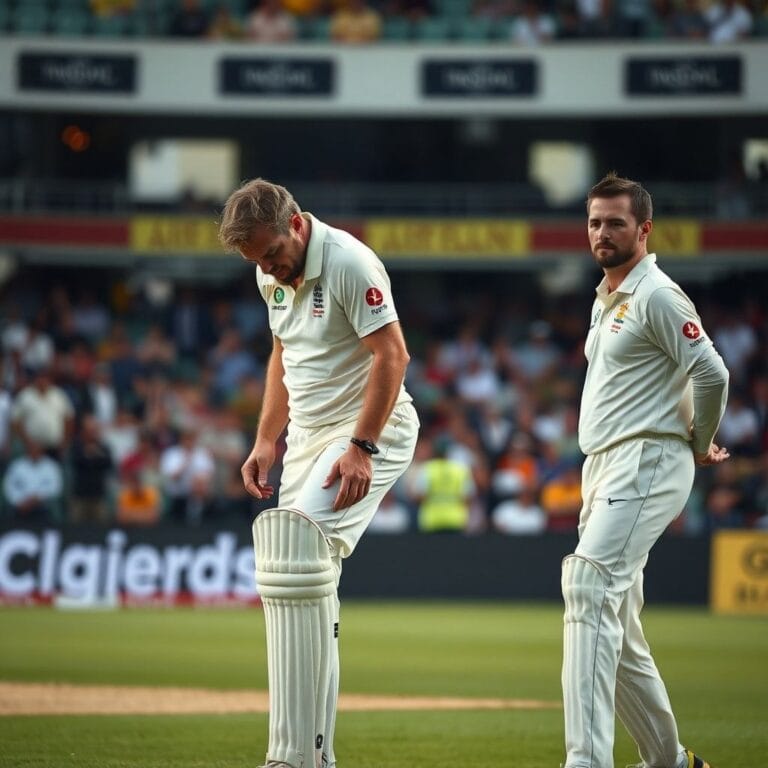
Dewald Brevis stars as South Africa beat Zimbabwe in T20 World Cup 2026
South Africa vs Zimbabwe: T20 World Cup 2026 Match Analysis
The T20 World Cup clash at Delhi’s Arun Jaitley Stadium saw South Africa cruise past Zimbabwe with five wickets in hand, a win that not only cemented their place in the Super Eights but also highlighted a fresh batting force in Dewald Brevis. The result reshapes the group dynamics and sets up a decisive encounter against New Zealand.
The Stats Behind the Strategy
| Metric | South Africa | Zimbabwe |
|---|---|---|
| Run Rate (Chase) | 8.77 runs/over (154/17.5) | 7.65 runs/over (153/20) |
| Top Partnership | 53 runs (Stubbs & Linde) | 39 runs (Raza & Madande) |
| Boundaries (19 overs) | 30 fours, 12 sixes | 22 fours, 8 sixes |
| Wickets Lost (Powerplay) | 2 (0‑6 overs) | 3 (0‑6 overs) |
| Economy (Key Bowlers) | Raza 3/29 (10 overs), Nortje 1/22 (4 overs) | Maphaka 2/31 (4 overs), Bosch 2/34 (4 overs) |
Delhi’s pitch offered a hard, true surface that rewarded back‑foot driving early on and became a little slower as the dew set in. South Africa’s decision to open with de Kock and Markram backfired, but the early wickets forced a recalibration that played to Brevis’ natural aggression.
Match Context and Tactical Shifts
Zimbabwe chose to bat first, banking on the afternoon light and a still‑fresh outfield. Their plan was to set a defendable total around 160, a figure that would pressure any chase on a pitch that eases a little under lights. The Proteas’ pace quartet—Maphaka, Bosch, Nortje, and Ngidi—applied disciplined lines in the first six overs, clipping the run‑rate and breaking the top order.
Raza’s measured 73 off 43 balls anchored the Zimbabwe innings. He rotated the strike, kept the scoreboard ticking, and unleashed a flurry of boundaries in the death overs. Madande’s quickfire 26 off 20 added the finishing polish, pushing the total to 153.
South Africa’s chase began with textbook aggression: de Kock’s early dismissal was a shock, yet it opened the floodgates for a middle‑order reset. Markram’s dismissal at 4 further underlined the need for a catalyst. Ryan Rickelton’s 31 provided stability, but the real spark came when Brevis stepped in. His 42 off just 18 balls—four fours and five sixes—shifted the momentum from a precarious 14/2 to a dominant chase.
Player Roles, Mindset, and Venue Linkage
Brevis, who grew up playing on the hard, compact surfaces of Johannesburg, found Delhi’s bounce familiar. His footwork against the short ball allowed him to pull and hook with confidence, while his willingness to target both pace and spin mirrored his performances in the 2023-24 series in the UAE, where the pitches had a similar low‑to‑medium bounce.
Raza, accustomed to the slower, turning tracks of Harare, adapted his game to Delhi’s pace by using his wrist to find the gap. His ability to strike through the line against the seamers showcased a mindset honed on the leeward side of the New Zealand grounds where he once played club cricket.
For the Proteas, Linde’s 30* at the death was a textbook example of a player who has learned to read the dew factor in sub‑continental nights. His soft‑hands and quick singles capped the chase, ensuring the target was reached with 13 balls to spare.
Strategic Decisions That Paid Off
- South Africa’s early use of three frontline pacers (Maphaka, Bosch, Nortje) to keep the powerplay tight.
- Zimbabwe’s choice to bat first, hoping to exploit early moisture on the pitch—a gamble that backfired as the seamers seized the advantage.
- Deploying Brevis at number three, a slot that gave him enough time to settle before the required run‑rate spiked.
- Keeping Linde in for the final overs to utilise his experience on low‑bounce, high‑dewy surfaces.
Impact on the Super Eight Stage and What Lies Ahead
With this win, South Africa moves into the next round with four points, comfortably ahead of Zimbabwe, who now sit at the bottom with a single point. The Proteas’ net run‑rate receives a massive boost, a crucial factor when the top two teams battle for the semi‑final berth.
Next up, South Africa faces New Zealand, a side that has blended disciplined death bowling with explosive batting. The Proteas will need to manage their bowlers’ workloads—especially Nortje, who is carrying a slight niggle—and continue to provide a platform for youngsters like Brevis and Stubbs.
Zimbabwe, on the other hand, must regroup quickly. Their batting core—Raza and Madande—showed resilience, but the early loss of wickets highlighted a need for better opening partnerships. A win against the West Indies could revive their campaign.
Fans’ Take and Grounded Opinions
In the stands, the South African fans were visibly delighted by Brevis’ fireworks, chanting his name and waving flags. Social media buzzed with memes of the young power‑hitter, many comparing his rise to that of a certain 2024 T20 star. Zimbabwean supporters, while disappointed, praised Raza’s 73 and expressed hope that his leadership will steer the side back on track.
From a neutral observer’s angle, the match underscored the importance of adaptability in T20 tournaments. Teams that can switch gears after early setbacks—like South Africa did—will find themselves in the driver’s seat. The Delhi conditions, with their early‑day bounce and later‑night dew, proved a great equalizer, rewarding players who could read the surface and adjust their shot selection accordingly.
the Proteas displayed why they are once again a force in world cricket. With a blend of seasoned pace, emerging power, and tactical acumen, they have positioned themselves as serious contenders for the 2026 title.
Cricket Desk: Want more on 2026 T20 World Cup? Check out our 2026 T20 World Cup Latest News & Stats.