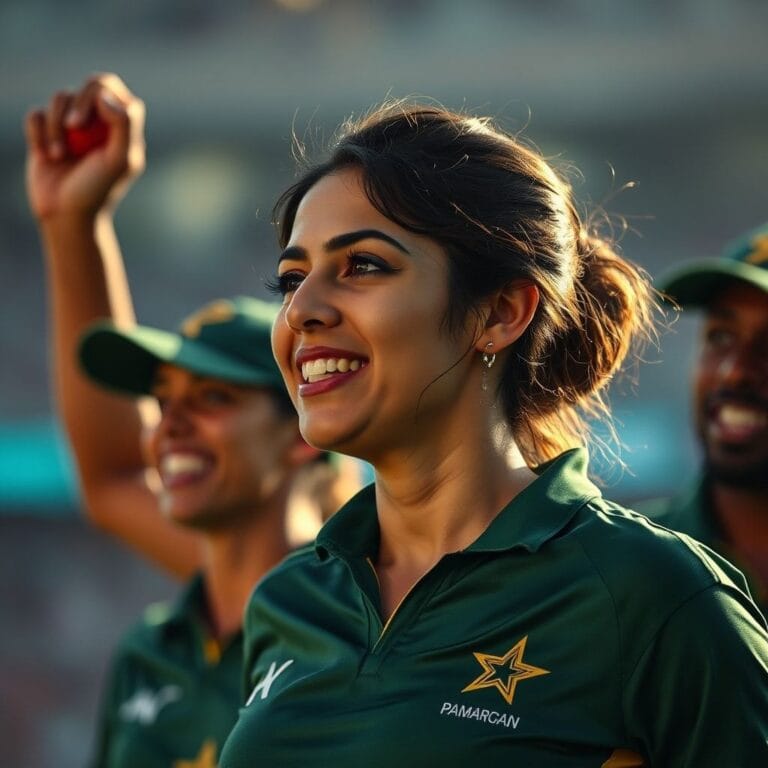
Pakistan’s T20 World Cup exit due to net run rate shortfall
Pakistan’s T20 World Cup Exit: A Statistical Breakdown of the Pallekele Clash
The Super‑Eight clash between Pakistan and Sri Lanka at Pallekele ended in a bittersweet victory for the Men in Green. A towering 212‑8 gave them the win, yet the net‑run‑rate shortfall kept them out of the semis, sparking a wave of criticism from former players back home.
Pakistan entered the match third in Group 2, needing not just a win but a sizable margin to overtake New Zealand. The decision to bat first was a tactical gamble, banking on a blistering start to pile on runs on the relatively dry, hard surfaces of Pallekele that tend to favour power hitters.
The Stats Behind the Strategy
| Metric | Pakistan | Sri Lanka | Group 2 NRR Goal |
|---|---|---|---|
| Total runs (20 overs) | 212/8 | 150/9 | +0.315 |
| Strike rate of top two openers | 159.0 | — | — |
| Net Run Rate after match | +0.274 | — | Needed +0.315 |
The numbers tell the story: a 65‑run cushion was needed, but Sri Lanka chased down 148 before the 20th over, dragging Pakistan’s NRR just short of the target.
Opening the innings, the management placed the unbeaten pair of Sahibzada Farhan and Fakhar Zaman at the crease. Both had shown comfort on the green‑turf pitches of the sub‑continent, where the ball comes onto the bat with a little extra bounce. Farhan, a relatively new name, seized the moment with a crisp hundred, displaying a blend of timing and brute force that suited the firm Pallekele outfield. Zaman, a veteran power‑hitter, accelerated the tempo with an 84 off 42 balls, ensuring the scoreboard kept climbing.
The middle order, traditionally a point of contention for Pakistan, was shuffled again. After a series of early‑innings collapses in earlier stages, the team opted for a conservative slot for Abrar Ahmed at number 5, hoping his slower strike rate would stabilize the innings. The plan backfired when he fell for a duck, exposing the fragility of the ordering.
Bowling at Pallekele is often about exploiting the evening dew that settles on the grass, making the ball skid. Pakistan’s captain chose a three‑bowler rotation, opening with left‑arm spinner Umran Malik, who delivered three economical overs, conceding only 20 runs. The seam attack leaned on the height of the bounce, with Waqar Saeed extracting extra seam movement. Nevertheless, Sri Lanka’s chase was bolstered by Dasun Shanaka’s tactical use of the powerplay, targeting the lower‑order bowlers when the dew made grip difficult.
From a tactical lens, the decision to leave Saim Ayub out of the XI was a point of contention. Ayub, a seam bowler with a handy slower ball, could have offered the variation needed in the final overs when Sri Lanka needed to keep the run‑rate low. Former speedster Shoaib Akhtar highlighted this omission on a post‑match show, arguing that the selection leaned too heavily on established names instead of role‑specific talent.
The match also illuminated the mental pressure on Pakistan’s batting core. After the loss of Zaman’s wicket in the 16th over, the on‑field captain, Babar Azam, urged the remaining batsmen to maintain composure. Farhan’s century, seemed less a product of anxiety and more an assertion of dominance on a venue where his footwork aligns with the pitch’s short grass and slight hardness.
Fan reaction in Pakistan has been a blend of pride in the batting display and fury at the managerial decisions. Social media threads filled with screenshots of former greats—Ahmed Shehzad questioning the constant reshuffle of the order, Mohammad Yousuf likening the campaign to a sinking ship—illustrate a nation unwilling to accept a half‑won battle.
Looking ahead, the tournament now pivots to the semi‑finals where New Zealand, Ireland and India await. For Pakistan, the exit will likely trigger a review of selection policy, especially the handling of the middle order and the balance between spin and seam in sub‑continental conditions.
From the perspective of a regular viewer, the match reminded everyone why T20 cricket is a razor‑edge sport. A single over can tilt the whole tournament, and even a spectacular century cannot guarantee progression when the mathematics of NRR loom large.
What’s next for the Men in Green? The team will need to regroup quickly, perhaps integrating younger all‑rounders who can adapt to varied pitches—from the slow, turning surfaces of Colombo to the rapid, low‑bounce tracks of Dhaka. The administration must also address the criticism voiced by veterans, ensuring that selection is driven by current form rather than external chatter.
In the end, the Pallekele showdown will be remembered as a case study in how a dominant batting performance can still fall short when the broader tournament calculus isn’t met. It serves as a cautionary tale for any side that believes a single match can override the cumulative pressure of a world championship.
Cricket Desk: Want more on 2026 T20 World Cup? Check out our 2026 T20 World Cup Latest News & Stats.