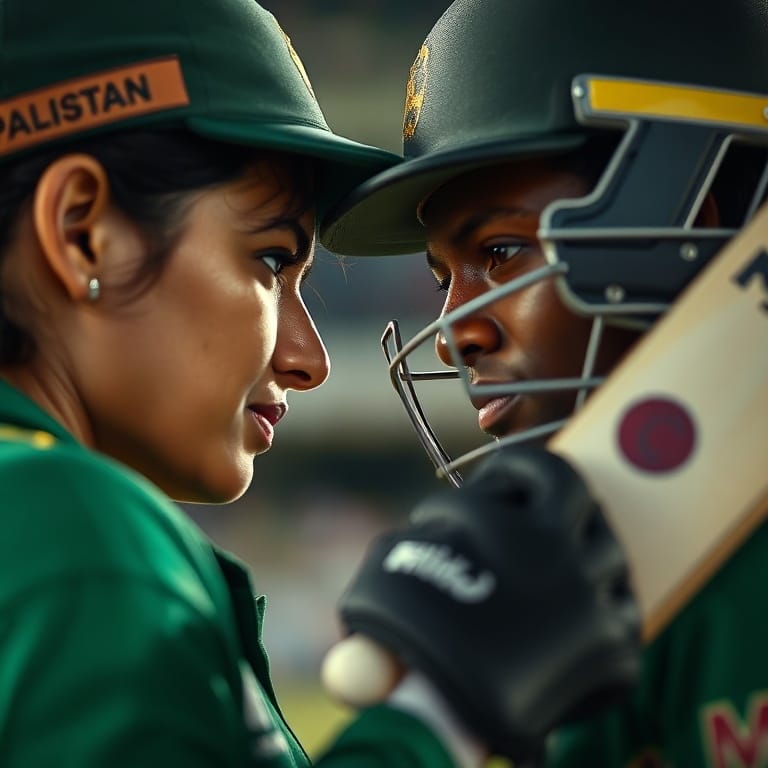
WI Women vs SL Women 3rd ODI: Tactical Battle in Grenada
WI Women vs SL Women 3rd ODI: Tactical Showdown in Grenada
The third ODI between West Indies Women and Sri Lanka Women at Grenada’s National Cricket Stadium is more than a decider; it is a chance for the hosts to restore pride after dropping the series. With the pitches behaving predictably and both sides having clear strengths, the match promises a tactical chessboard for captains and coaches.
The Stats Behind the Strategy
| Team | Average First‑Innings Score (Grenada) | Wickets by Spinners (First 2 ODIs) | Powerplay Runs (Last Match) |
|---|---|---|---|
| West Indies Women | 225 | 5 of 10 | 58 (50‑overs) |
| Sri Lanka Women | 227 | 6 of 12 | 45 (50‑overs) |
These numbers show that a total around the low‑230 mark usually puts pressure on the chase. Spinners have taken half the wickets, meaning any side that bowls spin early gains a foothold. The powerplay trends suggest the first ten overs are key for building a platform.
West Indies enter the game with a batting line‑up that has struggled to finish. Stafanie Taylor, the senior stalwart, has been forced into a rescue role, while Jannillea Glasgow’s maiden fifty in the second match hinted at a resurgence. The team’s middle order, featuring Deandra Dottin and Afy Fletcher, has displayed aggression but also a tendency to lose wickets in the 30‑40 run range.
Sri Lanka, on the other hand, have benefited from collective contributions. Captain Chamari Athapaththu’s leadership now allows Vishmi Gunaratne and Harshitha Samarawickrama to play the anchor roles. Their ability to rotate strike on a slower surface has been evident, especially when the Caribbean sun begins to soften the pitch after the 15th over.
At the toss, the captain’s decision will likely break the pattern set by the first two games. Both teams have won by batting first; putting runs on the board forces the opposition to chase on a waning surface. Hayley Matthews, West Indies captain, will weigh her own form against the need to set a target, while Chamari Athapaththu might opt for bowl first if she senses the pitch will deteriorate.
Bowling strategies will revolve around the seam‑friendly start and the later spin dominance. Chinelle Henry, with her ability to extract bounce, is the ideal spearhead for the West Indies if they elect to bowl. Pairing her with Karishma Ramharack’s left‑arm spin gives a complementary angle that can trouble Sri Lankan batters used to facing right‑arm off‑spinners.
For Sri Lanka, the spin trio of Nilakshi De Silva, Inoka Ranaweera, and Sugandika Kumari has already proved successful in the series. De Silva’s flight and subtle turn suit the slower surface, while Ranaweera’s variations will be essential if the West Indies aim to accelerate in the death overs.
From a fan’s perspective, the match feels like a curtain call for a series that has delivered surprises. West Indian supporters have witnessed a historic win for Sri Lanka on their soil and now hope to see their side bounce back with a spirited performance. The crowd’s energy at the National Cricket Stadium, known for its lively atmosphere and fast outfield, adds a palpable excitement.
Looking ahead, a win for West Indies would keep the series alive, setting up a potential 2‑1 comeback in the final ODI. Sri Lanka, already holding the series advantage, would aim to seal a 3‑0 sweep and cement a landmark achievement in Caribbean cricket history. Either outcome will shape the confidence of both squads heading into future ICC events and regional qualifiers.
In the end, the game hinges on executing plans under pressure. West Indies need to convert starts into solid partnerships, while Sri Lanka must maintain composure as the surface slows. The player‑to‑pitch connections—Taylor’s experience on Grenada’s bounce, Athapaththu’s calm on slower wickets, Henry’s seam swing, and De Silva’s spin—will define the narrative as the ball meets bat under the Caribbean sun.
Cricket Desk: Want more on Asian women's cricket? Check out our Asian women's cricket Latest News & Stats.