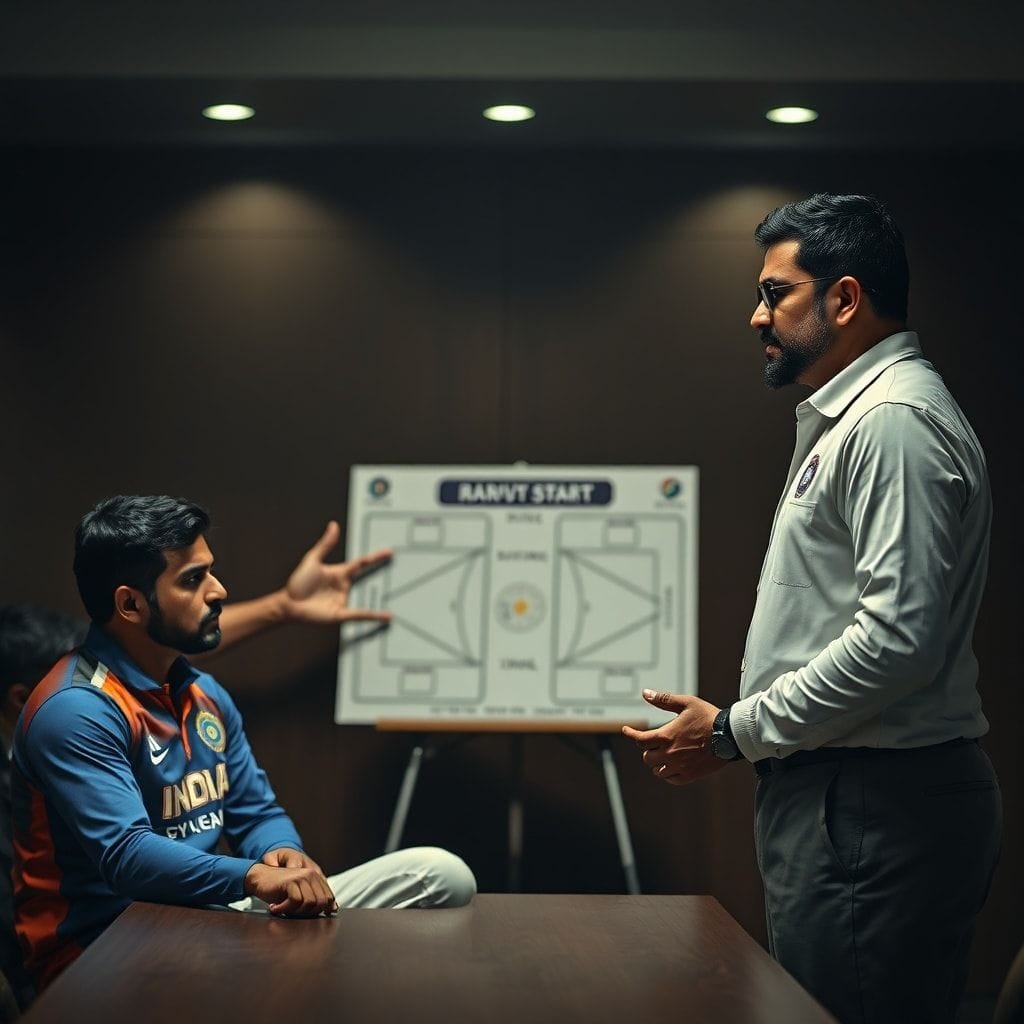
Shastri Urges India to Reshuffle Bowling for T20 World Cup Survival
India’s T20 World Cup 2026 Lifeline: Shastri Urges Bowling Reshuffle Ahead of Zimbabwe Clash
India’s T20 World Cup 2026 campaign teeters on the edge as they gear up for a crucial Super 8 encounter against Zimbabwe. Former head coach Ravi Shastri has publicly advocated for a tactical shift — replacing a specialist batter with an additional bowler — in response to a fragile bowling performance exposed during a heavy loss to South Africa.
The urgency is undeniable. Sitting at the bottom of the group with zero points and a negative net-run rate, anything less than a convincing win spells early elimination. Shastri’s suggestion has ignited widespread debate among pundits and fans alike: should India sacrifice batting depth for bowling potency?
The Stats Behind the Strategy
| Bowler | Overs | Runs Conceded | Economy | Wickets |
|---|---|---|---|---|
| Varun Chakaravarthy | 4 | 38 | 9.5 | 0 |
| Yashasvi Jaiswal (part-time) | 2 | 22 | 11.0 | 0 |
| Axar Patel | 4 | 28 | 7.0 | 1 |
| Washington Sundar | 4 | 30 | 7.5 | 2 |
The figures paint a stark picture. Against South Africa, India’s frontline spinners struggled, posting economy rates north of eight. Yashasvi Jaiswal’s part-time effort fared worse. Introducing a quality fifth bowler could trim two to three runs per over — a difference often enough to swing tight contests.
Tactical Shifts and Team Decisions
Ravi Shastri’s proposed solution centers around retaining core batting firepower while adding a fifth bowler. Players like Hardik Pandya, Shivam Dube, and Washington Sundar provide enough hitting power even without an extra batter. Dropping someone like Rinku Singh, who has managed only 16 runs at a modest strike-rate of 115 over two matches, creates space for a strategic reinforcement.
Potential replacements include leg-spinner Rahul Chahar or experienced seamer Mohammed Shami. The decision largely depends on the conditions at Providence Stadium, Guyana — a venue known for its subcontinental-style pitches that offer grip and turn once the initial moisture fades. This favors spinners capable of exploiting subtle variations in bounce and pace.
Player Roles and Mindset
Hardik Pandya continues to anchor the innings from the top, blending aggression with smart rotation. Shivam Dube offers explosive hitting during the slog overs, while Washington Sundar contributes both with bat and ball. His role as a death-over specialist makes him invaluable in high-pressure scenarios.
Axar Patel emerges as a linchpin. His left-arm orthodox deliveries can deceive Zimbabwe’s middle order, especially on a turning surface. If Rahul Chahar enters the fray, his leg-spin could unsettle the visitors’ batters unfamiliar with such deliveries under lights.
Impact on the Tournament and What’s Next
A victory over Zimbabwe could revive India’s campaign by lifting them out of the relegation zone and improving their NRR significantly. Anything short risks a humiliating early exit — an outcome few would accept given the squad’s potential.
Adding a seam option provides control during the powerplay, whereas a second spinner can dominate the middle phase. Either choice shapes how India sets the tone and applies pressure throughout the innings.
Fan Perspective and Grounded Opinions
Indian supporters are divided. Some mourn the possible benching of Rinku Singh, remembered for heroics in past tournaments. Others support Shastri’s pragmatic call, pointing to the 19-run loss to South Africa where ineffective bowling proved costly.
At the stadium, emotions run high. Zimbabwe, typically underestimated, might play with freedom, challenging India’s revised strategy. If the new bowler fails to settle early, it could open the floodgates. Yet, if successful, it could define India’s path toward redemption.
In essence, this pivotal clash tests more than just execution. It questions whether tradition or innovation holds the key to unlocking India’s World Cup aspirations.
Cricket Desk: Want more on India cricket team? Check out our India cricket team Latest News & Stats.