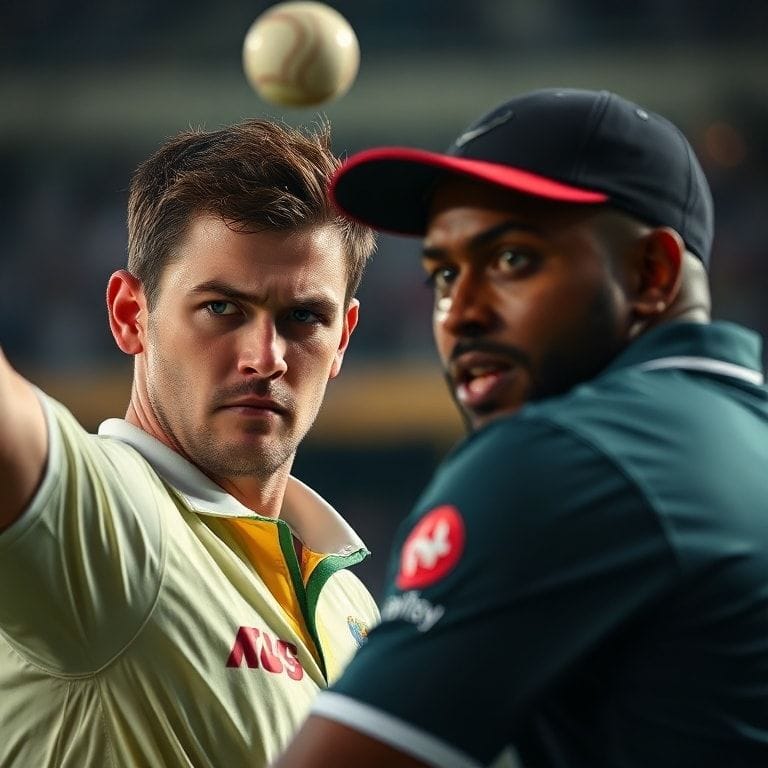
T20 World Cup 2026 Super 8 draw sparks controversy
T20 World Cup 2026 [EXPLAINED]: Why All Group Stage Toppers Are Placed Together in Single Super 8 Group
The Super 8 draw of the 2026 T20 World Cup has turned a celebration into a storm of debate. Four unbeaten group‑winners – India, Zimbabwe, West Indies and South Africa – find themselves locked together, while second‑place teams enjoy a smoother path. Understanding how a single pre‑seeding decision created this imbalance is essential for fans and stakeholders alike.
The Stats Behind the Strategy
| Pre‑seed | Team | Super 8 Slot | Group Finish | Win % in Super 8 |
|---|---|---|---|---|
| A1 | India | X1 | 1st (Group A) | 57% |
| B1 | Australia | X2 | Eliminated | – |
| C1 | England | Y1 | 2nd (Group B) | 68% |
| D1 | New Zealand | Y2 | 2nd (Group C) | 71% |
| — | Zimbabwe | X2 (replaced AUS) | 1st (Group B) | 42% |
| — | West Indies | X3 | 1st (Group C) | 45% |
| — | South Africa | X4 | 1st (Group D) | 48% |
The numbers tell a clear story: the pre‑seeded slot X2, originally meant for a top‑four side, now belongs to Zimbabwe, a team that has never reached a Super 8 before. Their win probability drops dramatically compared to England or New Zealand, who sit in the Y‑bracket with a higher historical success rate.
How the Pre‑Seeding Mechanism Shaped the Draw
Before the opening match, the ICC fixed eight seeds based on the three‑year ranking table. India (A1), England (C1), Australia (B1) and New Zealand (D1) were locked into specific Super 8 slots. The logic was commercial – broadcasters could lock prime‑time slots, sponsors could plan campaigns, and fans could book travel without guessing where their team would play.
That logic crumbled when Australia stumbled in the group phase. The tournament rules stated that any team replacing a pre‑seed inherits that seed’s Super 8 position. Zimbabwe stepped into B1’s slot, slotting into the X‑bracket alongside three other unbeaten sides. The same rule applied to any other upset, but the only real upset involved a top‑seed.
- Fixed seeds ignored real‑time performance.
- Replacement teams inherited slot strength, not their own ranking.
- The draw became a spreadsheet exercise rather than a merit‑based progression.
Player Mindsets on a Toughened Path
For India’s captain, the reality is simple: every ball now feels like a knockout. The usual cushion of a “easier” quarter‑final opponent disappears, and the mental preparation shifts toward a mini‑tournament against three other unbeaten squads. Virat’s squad has been vocal about “playing for the fans”, but the pressure to keep the unbeaten run alive is now magnified.
Zimbabwe’s young side, led by a charismatic all‑rounder, enters the X‑bracket with a different psychology. They know they are the underdog in a group built for cricket powerhouses, yet the early victories have built confidence. Their bowlers, accustomed to the slower, turning pitches of Harare, now face the hard, low‑bounce tracks of a Mumbai‑style venue, demanding a quick adaptation.
West Indies bring a Caribbean flair that thrives on fast, bouncy tracks similar to those in Antigua. Their pacers relish the extra bounce, while the middle order relies on hitting over the in‑field. The team’s mindset is “we own the big moments”, but the looming clash with India and South Africa forces a tactical shift toward tighter field placements.
South Africa’s trio of seamers, who have mastered the seam movement on the green tops of Johannesburg, now must adjust to the drier, seam‑friendly surfaces in the United Arab Emirates. Their captain has spoken about “staying disciplined”, highlighting the need to bowl at the right lengths rather than relying on raw pace alone.
Venue‑Specific Challenges and Player‑Venue Links
The Super 8 matches are spread across three host cities, each with a distinct character. Mumbai’s red soil offers extra turn for spinners, a factor West Indies may exploit with their left‑arm wrist spin. The Dubai venue provides a true‑fast outfield, suiting South Africa’s seam attack. Colombo’s slower, low‑bounce track is a traditional haven for Zimbabwe’s spin‑focused attack, but the team will have to contend with the hot, humid climate that can sap stamina.
These venue nuances mean that a player’s past performance at a specific ground becomes a critical selection factor. For example, India’s veteran spinner, who has taken 30+ wickets on Mumbai’s turning decks, is a near‑automatic pick, while New Zealand’s power hitters, who thrive on the shorter boundaries in Dubai, find themselves sidelined because their team is in the Y‑bracket.
Tournament Impact and What Comes Next
The immediate fallout is a scramble for the ICC to justify the pre‑seeding model. Critics argue that the format stripped the group stage of its incentive to finish top, turning the “first place” reward into a penalty. Teams that finished second now enjoy a softer route, increasing the risk of a dead‑rubber in the final group games.
Looking ahead, the semifinals will likely pit the winner of the X‑bracket against the top team from the Y‑bracket. If India survives, they will face either England or New Zealand, both of whom have had a smoother journey. The final could see a clash between an unbeaten side that fought through a gauntlet and a second‑place side that benefited from a gentler draw.
Beyond the tournament, the controversy may force the ICC to re‑evaluate its seeding policy. Future World Cups could adopt a dynamic seeding system, where Super 8 slots are allocated based on actual group results rather than pre‑tournament rankings. Such a change would restore the merit‑based spirit that fans expect from a world championship.
Fan Perspective: Voices from the Stands
Social media has been ablaze with frustrated fans. Indian supporters tweet about “playing a final before the semis”, while Zimbabwe followers celebrate the historic opportunity but voice concern over the “unfair bracket”. West Indian fans, known for their upbeat chants, now brace for a “battle of the unbeaten”. South African followers have organized a petition demanding a redraw.
On the ground, stadiums echo with chants that blend excitement with protest. The atmosphere is electric yet tinged with disappointment, as many feel the tournament’s narrative has been hijacked by a spreadsheet rather than the on‑field drama they cherish.
In the end, the 2026 T20 World Cup may be remembered as much for its administrative controversy as for the sixes and wickets. How the ICC responds will shape the credibility of future global events, and whether fans can once again trust that a group‑stage win truly earns a reward.
Cricket Desk: Want more on Associate cricket strategy? Check out our Associate cricket strategy Latest News & Stats.